跳到内容
跳到内容 
目录
在当今快速发展的能源格局中,储能系统(ESS)已成为稳定电网、支持可再生能源和确保可靠备用电源的关键要素。然而,在每一个安全、高效且具有弹性的储能装置背后,都隐藏着一个至关重要却常常被忽视的组件:电线导管。.
电气导管用于保护和引导为储能系统供电、监控和控制的线路。然而,仅仅安装导管是不够的——导管的选择、安装和维护必须严格遵循电气导管规范。这些规范,例如美国的NEC(国家电气规范)、加拿大的CEC(加拿大电气规范)、澳大利亚和新西兰的AS/NZS 3000以及国际上的IEC标准,确保导管系统符合最高的安全、性能和监管标准。.
本指南探讨了电力导管在储能系统中的核心作用,重点关注不同规范和标准如何影响导管的选择和安装。无论您是设计、安装还是检查储能系统,了解相关的导管法规对于合规性和系统的长期成功运行都至关重要。.
什么是储能系统?
储能系统(ESS) 储能系统(ESS)是指能够捕获能量以供后续使用的技术。这些系统涵盖范围广泛,从小型家用电池组到大型电网级储能系统。常见的储能系统类型包括锂离子电池、液流电池、铅酸电池,以及固态电池和氢能存储等新兴技术。每种系统类型在安全性、可扩展性和电气复杂性方面都有其特定的要求。.
了解电气导管
从本质上讲,电线导管是一种耐用的管状系统,旨在保护和引导电线。储能系统涉及高电压、大电流和精密控制,因此导管的作用至关重要。使用合适的导管不仅是最佳实践,而且通常是严格的规范要求。.
导管在储能系统中的作用:
在储能项目中,电线导管发挥着多种作用:
- 物理防护: 保护电缆免受机械冲击、啮齿动物、水、火和化学品侵蚀。.
- 有序路由: 将线路整齐地收纳并分开,以便于维护、升级和安全检查。.
- 电气安全: 支持接地系统,最大限度地降低电气故障风险,并防止电弧或火灾蔓延。.
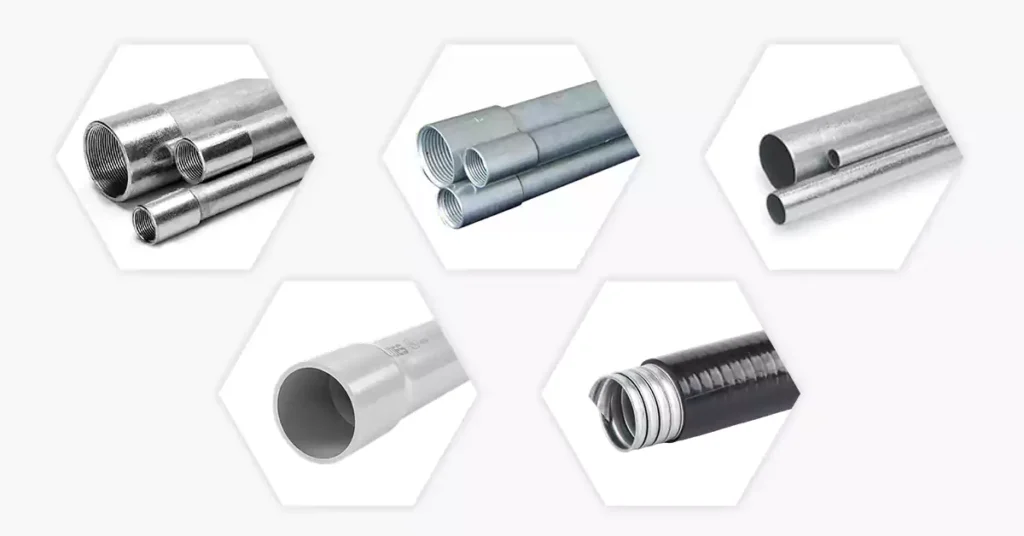
5 种常见的电线导管类型
以下是一些电力存储应用中常用的导管类型,以及它们的定义、优点和缺点:
刚性金属导管 (RMC)
RMC是一种由镀锌钢或铝制成的重型导管,在所有金属导管类型中提供最高级别的防护。.
优点:
优异的机械强度和抗冲击性
卓越的耐火性能
为关键线路提供高度物理保护
可用作接地导体
缺点:
笨重且难以安装
更高的材料和人工成本
如果涂层不当,容易发生腐蚀(尤其是钢制版本)。
非常适合电池组、逆变器房或需要最大限度机械和防火保护的室外关键区域等高风险区域。.
中间金属导管 (IMC)
IMC 是 RMC 的轻质、薄壁替代品,但仍然提供强大的保护,并符合类似的安全性标准。.
优点:
与RMC相比,更轻便、更易于操作。
降低材料成本
力量和体重之间保持良好的平衡
可提供耐腐蚀涂层
缺点:
抗冲击性略低于RMC
仍然比非金属材质的要重。
适用于需要强力防护但对机械强度要求不高的室内或有遮蔽的室外安装环境。.
电气金属管(EMT)
EMT 又称“薄壁”导管,是一种轻质钢管或铝管,易于安装,且在许多商业应用中具有成本效益。.
优点:
轻便易弯曲
更低的材料和安装成本
提供一定程度的机械保护
可以作为接地路径
缺点:
与RMC和IMC相比,其抗重冲击能力较差。
在户外或潮湿环境中需要额外的防腐蚀保护
适用于室内电池外壳、控制室或受保护区域,在这些场所,灵活性和快速安装是优先考虑的因素。.
硬质 PVC 导管
硬质PVC导管 是一种非金属、耐腐蚀的管材,常用于潮湿、化学品或紫外线照射的环境中。.
优点:
优异的耐腐蚀性
轻便且易于操作
降低材料成本
非导电性(为某些储能系统设计提供额外的安全性)
缺点:
与金属导管相比,机械强度有限
需要膨胀接头以应对热胀冷缩。
除非经过防火等级认证,否则易燃
非常适合地下布线、户外电池外壳或沿海安装等腐蚀性环境。.
防水柔性金属导管 (LFMC)
LFMC 将柔性金属芯与防水塑料外壳相结合,可在需要灵活性的环境中提供保护。.
优点:
灵活——可以绕过障碍物。
提供液体和湿气防护
为运动部件提供良好的机械保护
缺点:
比刚性导管更贵
使用时长有限(通常为局部章节)
常用于连接需要隔振或限制移动的电池模块、逆变器或开关设备。.
专业提示: 想了解它的优点、缺点和特点 10种最常见的电线导管您可以点击链接阅读我们上一篇文章。.
美国国家电气规范 (NEC) - 储能系统 (ESS) 的导管要求
美国国家电气规范 (NEC) 第 706 节对储能系统 (ESS) 提出了详细要求,重点关注安全、系统设计和安装规范——包括如何整合导管以保护电缆、实现安全断开以及符合关键安全标准。.
第 706 节适用于大于 1 kWh(3.6 兆焦耳)的储能系统装置,涵盖了合格人员、设备标签、电压额定值、系统调试等关键主题,以及——对于导管系统而言非常重要的——断开装置和线路保护的可及性。.
笔记: 如果你想知道 美国国家电气规范第625条对电动汽车充电站的要求, 您可以参考我们之前的文章,这将有助于您了解和规划您的新能源业务。.
NEC 706 的主要亮点:
合格人员
与储能系统相关的线路和导管必须由合格人员安装和维护,以确保其符合安全和性能要求。.
系统识别与标签
正确的标识是安全安装和运行的基础。与储能系统相关的导线、电缆和导管必须清晰标注,以便于追踪。.
- 每根导管都必须带有标签或颜色编码,以表明它是 ESS 布线系统的一部分。.
- 标记必须标明电源类型、标称电压、额定功率以及关机后电路是否仍带电。.
- 在维护、应急响应和系统扩展过程中,这种标签至关重要,可以最大限度地降低意外通电或错误连接的风险。.
与 ESS 连接的每条管道都必须准确地传达其输送的物质及其危险等级。.
断开连接的方式
NEC 要求 ESS 具有断开装置,可将其与所有相关导体和设备隔离。.
- 地点: 断路器必须易于接近,并且位于 ESS 10 英尺范围内,除非提供可锁定的遥控断路器。.
- 居住要求: 在住宅中安装储能系统时,必须设置一个室外、易于操作的紧急关闭装置,这通常需要专门铺设导管,以确保简单、耐用的关闭路径。.
- 断开连接时的标签: 通往断路器的导管必须清楚地标记,以表明当储能系统关闭时电路是否带电。.
首先: 导管路径必须能够在紧急情况下立即安全地关闭系统。.
布线方法和材料
导管的选择必须符合美国国家电气规范 (NEC) 第 3 章的布线方法,但还必须考虑储能系统特有的风险,例如:
高故障电流 (尤其是在直流系统中)
持续高电压
机械冲击和振动 (尤其适用于移动式或模块化存储)
化学品暴露、腐蚀性蒸汽或电解液泄漏 (尤其是在液流电池系统中)
户外环境、极端温度和紫外线辐射
常用的导管包括:
刚性金属导管(RMC)
中间金属导管(IMC)
电气金属管(EMT)
液密柔性导管 (适用于易受振动的场所)
刚性非金属导管(RNC) 喜欢 附表 40 导管 或者在易腐蚀的环境中,可以使用 Schedule 80 PVC 管材。.
所有导管必须得到妥善支撑、端接和密封(如适用)。.
电压等级和电路要求
美国国家电气规范 (NEC) 将储能系统 (ESS) 电压分为三类:
- 第一类: 0 – 30 伏
- 第二类: 30.1 – 60 伏
- 第三类: 高于 60 伏
导管系统的设计必须充分考虑电路等级:
- 导管内的绝缘完整性、间距和接地必须与额定电压相符。.
- 对于 3 类(较高电压)电路,导管必须防止潜在的触电危险和电弧闪光风险。.
高压储能系统需要高性能的导管和安装技术。.
短路和过电流保护
过电流保护必须与导管尺寸和导体绝缘相协调:
- 导管填充 必须根据储能系统充放电条件下导体的载流量进行计算。.
- 系统必须能够承受 短路电流 直到保护装置打开。.
导管选择不当会导致过热、导体绝缘层破损,并在故障情况下引发火灾。.
导管不仅要能承受正常运行,还要能承受最严重的电气故障。.
紧急停机和隔离系统
NEC 706 强调在紧急情况下快速、安全地关机:
- 紧急停机开关必须同时中断所有 ESS 输出连接——包括交流电和直流电。.
- 如果连接了多个 ESS 单元,则必须通过正确布线和标记的管道系统来协调分组关机方法。.
- 有些停工要求因地域而异(例如,加利福尼亚州或纽约州通常会增加加强型导管标记或物理保护)。.
Summary: Emergency pathways must be simple, visible, and fully compliant, with conduit playing a major role in ensuring quick system de-energization.
Other Codes and Standards
In addition to NEC, ESS conduit design must consider:
UL 9540 (Standard for Energy Storage Systems and Equipment)
UL 9540A (Fire Testing for ESS)
NFPA 855 (Installation of Stationary Energy Storage Systems)
Local amendments to the NEC based on fire marshal or utility requirements
These standards may affect conduit type (e.g., metallic-only requirements in fire-rated rooms), routing (e.g., no conduit runs through high-risk zones), and fire separation methods.
True conduit compliance for ESS means meeting NEC plus related safety standards.
As energy storage systems become larger, smarter, and more integrated into critical infrastructure, the importance of proper conduit selection and installation cannot be overstated. In full compliance with NEC Article 706 and related standards is essential for ensuring the ESS projects’ safe and reliable installations in America.
CEC - Conduit Requirements for Energy Storage Systems (ESS)
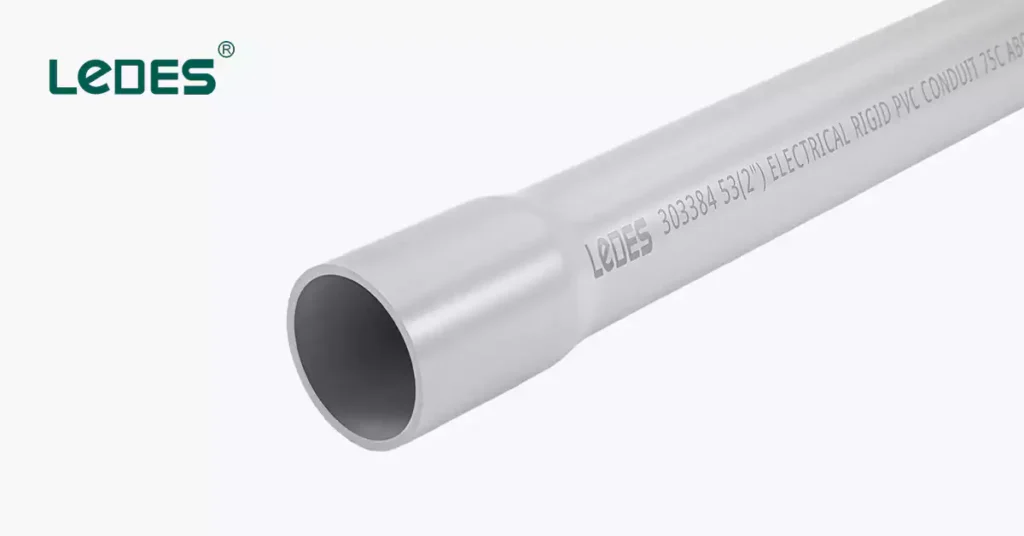
In this part, we turn our attention to the Canadian Electrical Code (CEC) conduit requirements for Energy Storage Systems (ESS). As energy storage systems (ESS) become an integral part of modern electrical infrastructure, the Canadian Electrical Code (CEC) – Part 1 (CSA C22.1:21) outlines crucial requirements for conduit systems within these installations to ensure safety, performance, and compliance. CEC Section 64 specifically governs the installation of electrical conduit systems within ESS, providing detailed guidelines for protecting wiring, minimizing fire hazards, and ensuring proper electrical grounding. Adherence to these standards is essential not only for safety but also to comply with Canadian regulatory frameworks.
专业提示: We recommend you read this ultimate guide to CEC, which selects important chapters in CEC and explains them in detail. It not only includes general electrical compliance guidelines but also includes updates to the new energy regulations of the CEC 2024 version.
Key Requirements of CEC Section 64 for ESS
Conduit Systems for Different Power Systems
Energy storage systems can operate in a variety of configurations, each with its own specific conduit and protection requirements:
DC-Only Systems: These systems, commonly seen in off-grid solar or renewable energy installations, often involve high-voltage DC circuits. CEC mandates the use of UV-resistant and flame-retardant conduit, especially for external runs where the system is exposed to direct sunlight or other weather elements. Conduits for DC circuits must be carefully chosen to handle higher voltages and potential electrical faults without posing a risk to the surrounding environment.
AC-DC Hybrid Systems: In installations where both AC and DC circuits are integrated (for example, battery-based ESS systems with grid connection), separation between circuits is critical. Section 64 stipulates that AC and DC wiring must be physically segregated, typically achieved using separate conduits or through the use of conduits with internal dividers. The section emphasizes color-coded conduit systems to assist in easily identifying circuit types.
Multiple-Phase Power Systems: For ESS installations involving multi-phase AC circuits (e.g., in larger commercial systems), Section 64 outlines that the conduit must be sufficiently rated for higher current handling and thermal performance. Special attention is given to the spacing of conductors within the conduit to prevent overheating or potential electrical faults.
Conduit Selection
Section 64 mandates the use of specific conduit materials designed to withstand the unique conditions within energy storage systems. For instance:
- 刚性导管 (such as Schedule 40 or 80号PVC, or RMC) is recommended for areas that require robust protection against physical damage.
- 柔性导管 (such as liquid-tight or flexible metal conduit) may be used in locations where flexibility and adaptability to movement are required.
- The CEC requires conduit materials to have a flame-resistance rating that aligns with UL 1685 or similar standards, ensuring they can withstand exposure to electrical fires within ESS.
导管尺寸
Proper conduit sizing is critical to ensure safe and efficient cable installation:
- Section 64 stipulates that conduit must be sized to ensure that wiring is not subjected to excessive stress, and to allow for easy maintenance and future upgrades.
- A key requirement is the use of appropriate conduit fill ratios to prevent overheating or degradation of cables. The CEC adheres to standards such as those outlined in NEC Table 1 to avoid overfilling conduits.
- Adequate clearance must be maintained for conduit runs, especially when passing through areas subject to environmental extremes or interference. For example, conduit must not be run in direct contact with other systems unless specifically allowed.
环境因素
The CEC requires conduit installations in ESS to be resilient to environmental factors such as extreme temperatures, moisture, and UV exposure:
- 抗紫外线: Materials like UV-resistant PVC or metal conduits are mandatory for outdoor installations, as UV degradation can lead to the failure of the conduit material over time.
- Temperature Ratings: The CEC mandates that conduit systems in ESS must be able to withstand high temperatures, which can be encountered during heavy electrical loads or failure modes. Many systems are required to handle temperatures up to 90°C (194°F) or higher, ensuring the integrity of the conduit and its insulation.
- 耐腐蚀性: For ESS installed in coastal or industrial environments, the CEC recommends corrosion-resistant conduits, such as galvanized steel or stainless steel, to prevent degradation from exposure to salt, chemicals, or other corrosive elements.
接地和接合
Proper grounding and bonding are essential in ESS installations to ensure safety in the event of a fault condition:
– Conduits must be properly bonded to the ground to facilitate the dissipation of fault currents and prevent potential electrical shock hazards.
– Section 64 emphasizes the importance of using continuously welded or threaded conduits in critical ESS applications, where a secure ground path is essential.
– The code specifies that when non-metallic conduits are used, an additional grounding conductor may be required inside the conduit, especially for high-power systems.
Conduit Installation and Safety Measures
CEC Section 64 places significant emphasis on the safe installation of conduit systems to protect both electrical integrity and personnel. Some of the essential requirements include:
- Conduit Burial Depth: For ESS systems involving underground cabling (such as in buried battery banks or subterranean installation), Section 64 specifies a minimum burial depth for rigid conduits to prevent accidental damage. This depth is typically governed by the type of soil and environmental conditions, with deeper burial required for areas with high foot traffic or potential for excavation.
- Conduit Sealing: In areas susceptible to moisture ingress, Section 64 mandates that conduits be sealed or equipped with water-resistant fittings to prevent water or contaminants from entering the system, which could potentially short-circuit wiring or damage the storage system.
- Fire Resistance and Flame Retardancy: Given the risks associated with ESS, such as potential overheating, battery malfunctions, or even fires in extreme cases, Section 64 stresses that conduit systems used in ESS installations must be made of fire-resistant materials. This applies to both indoor and outdoor systems, and it may extend to additional fireproofing of the conduit or surrounding materials in high-risk installations.
Special Considerations for ESS
Given the complexity and scale of ESS, additional specific requirements apply:
Battery Enclosures: Conduit systems must be installed with consideration for battery enclosures, ensuring that they are properly routed to prevent interference with ventilation systems and thermal management features.
Energy Management Systems: In installations where Energy Management Systems (EMS) or integrated smart grid technologies are used, the conduit system must support data and communication cables alongside power cables. Section 64 outlines the necessity of providing separate pathways for power and communication lines to avoid interference.
Emergency Shutoff Systems: Conduit systems must be clearly marked and accessible for emergency disconnects, in compliance with local safety standards for ESS shutdowns during a fire or electrical fault.
The conduit requirements laid out in CEC Section 64 are designed to ensure the safety, efficiency, and reliability of conduit systems within energy storage systems. By addressing factors such as material selection, environmental resistance, grounding, and installation practices, the CEC provides a clear framework for creating robust systems capable of handling the unique challenges posed by ESS installations. Adhering to these standards is essential for protecting both equipment and personnel while ensuring that energy storage systems operate safely and effectively within Canadian regulatory guidelines.
AS/NZS Standards: Conduit Requirements for Power Storage Systems
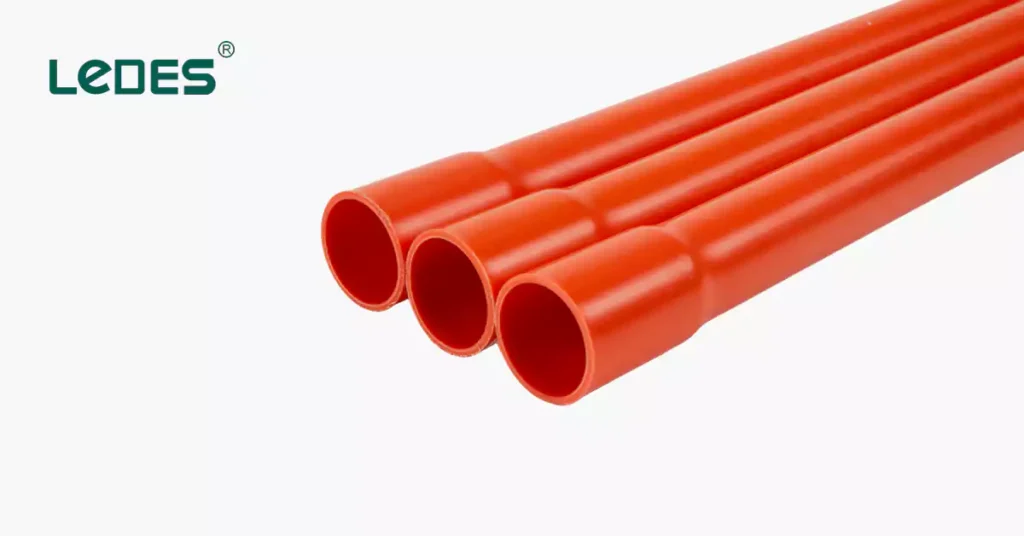
In Australia and New Zealand, the installation of Energy Storage Systems (ESS) must comply with stringent safety requirements set by AS/NZS 3000:2018 (Electrical Installations – Wiring Rules) and AS/NZS 5139:2019 (Electrical Installations – Safety of Battery Systems for Use with Power Conversion Equipment). These standards outline critical expectations for conduit use, ensuring mechanical protection, fire safety, segregation, and proper environmental durability in ESS wiring.
AS/NZS 3000:2018 - Wiring and Conduit Protection
AS/NZS 3000 provides the general framework for all electrical wiring, including requirements relevant to ESS conduits:
机械保护:
Cables must be protected by conduit or other suitable enclosures when installed in locations exposed to damage risks, such as external walls, underground, roof spaces, or near machinery.
Conduit Material Selection:
Conduits must be selected based on environmental factors:
UV exposure: Must use UV-resistant conduits outdoors.
Temperature resistance: Must withstand operational temperature variations without degradation.
Chemical resistance: For aggressive environments, conduits must resist chemicals and moisture.
Segregation of AC and DC Systems:
AC and DC wiring must be segregated by barriers, separated conduits, or sufficient physical spacing to prevent electromagnetic interference and safety hazards.
Bending Radius and Cable Management:
Conduit bends must maintain a minimum internal bending radius of at least 6 times the diameter of the enclosed cable to avoid damage.
Underground Wiring Protection:
Underground conduits must be durable against soil pressure and corrosion, and cables must be buried with a minimum depth (generally 500 mm for high-risk areas) unless mechanical protection (such as conduit or catenary wire) is added.
Earthing of Metallic Conduit:
If metallic conduit is used, it must be bonded and earthed to ensure safe disconnection under fault conditions.
Specific Battery Storage System - AS/NZS 5139:2019
AS/NZS 5139:2019 focuses specifically on the safe installation of battery energy storage systems (BESS), which are increasingly critical for residential, commercial, and utility-scale renewable energy solutions. This standard places particular emphasis on the DC side of battery systems, where fire and arc risks are significantly higher.
Key conduit-related requirements under AS/NZS 5139 include:
Protection of DC Cables:
DC cabling between batteries and power conversion equipment (PCE) must be enclosed in heavy-duty conduit or placed within suitable enclosures to minimize the risk of mechanical damage, fire, or electrical fault propagation.
Conduit Duty Rating:
Only heavy-duty conduit or enclosures must be used where mechanical damage could occur. Medium-duty conduit may only be acceptable if mechanical protection measures are already in place.
Conduit UV and External Durability:
When DC cabling is installed outdoors, the conduit must be UV-resistant and rated for the local environmental conditions, including high temperatures, moisture, and potential mechanical stress.
Labelling Requirements:
DC conduits must be clearly marked at least every 2 meters along their length, identifying them as “Battery DC Circuit” or similar, enhancing both safety and maintenance efficiency.
Segregation of DC and AC Circuits:
Cables for DC and AC circuits must not be housed within the same conduit system unless adequate insulation and segregation measures are applied, ensuring the safe separation of different electrical systems.
While AS/NZS 3000 provides the general framework for safe conduit installations across all electrical systems, AS/NZS 5139 adds a laser focus on the unique risks of battery storage, especially regarding the handling of DC cabling. Installers must ensure that both sets of requirements are met to achieve compliance, safety, and system resilience.
IEC Standards - Conduit Considerations for Energy Storage Systems
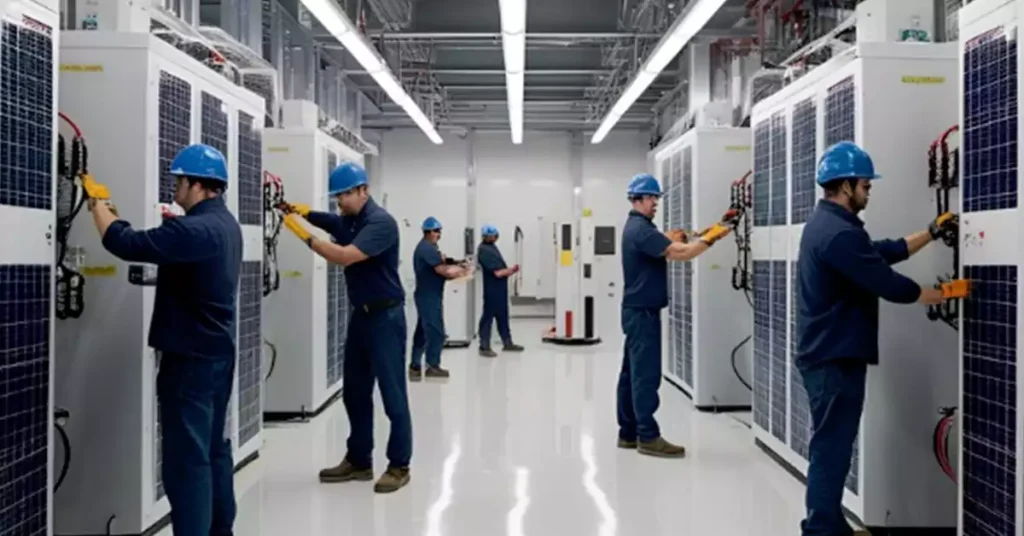
In many regions, the International Electrotechnical Commission (IEC) provides the foundational standards for electrical safety and system integration, including conduit systems for energy power storage systems. Two key IEC standards are particularly relevant: IEC 62933 and IEC 60079-14.
IEC 62933 Series
The IEC 62933 series, particularly IEC 62933-5-1:2024 – Electrical energy storage (EES) systems – Safety considerations for grid -integrated EES systems – General specification, sets the groundwork for safety-related requirements of the entire energy storage installation, including its electrical infrastructure.
While it does not prescribe conduit specifications in detail, it establishes general safety principles that directly impact conduit selection and installation, such as:
- Protection against short circuits, fire, and arc faults: Conduits used for ESS installations must support effective insulation and physical separation of live conductors.
- 环境保护: Wiring systems, including conduit, must be suitable for temperature extremes, humidity, vibration, and corrosive conditions, common in outdoor or industrial storage applications.
- Accessibility and maintainability: Conduit routing must allow safe access for inspection and maintenance without compromising system integrity.
- Compliance with IEC 60364 (Low-voltage installations): IEC 62933 requires conduit and cable systems to conform to relevant parts of IEC 60364, which includes mechanical protection, fire resistance, and secure routing of cables.
Thus, IEC 62933 provides the safety umbrella, under which conduit systems must be planned for reliability, thermal endurance, and mechanical protection.
IEC 60079-14: Conduit Systems in Hazardous Atmospheres
For energy storage systems installed in hazardous environments — such as those incorporating hydrogen fuel cells or located in industrial zones with flammable gases or vapors — IEC 60079-14 becomes crucial. Titled “Explosive atmospheres – Part 14: Electrical installations design, selection and erection,” this standard outlines conduit requirements in classified hazardous zones (e.g., Zone 1 and Zone 2).
Key conduit-related highlights include:
Flameproof and Ex e protection: Conduit systems must be compatible with flameproof (Ex d) or increased safety (Ex e) protection methods, depending on zone classification.
Certified sealing methods: Use of sealing fittings or barrier glands is mandatory at boundaries to prevent gas migration through conduits.
Ingress protection (IP rating): Conduits and fittings must comply with minimum IP ratings (typically IP54 to IP66) to withstand dust and moisture ingress in explosive atmospheres.
Material selection: IEC 60079-14 specifies the use of non-sparking, corrosion-resistant conduit materials, typically metallic or specialized thermoplastics, to ensure safety in volatile environments.
Together, IEC 62933 and IEC 60079-14 form a comprehensive framework for international energy storage deployments, addressing both general system safety and specialized hazardous location requirements. For designers and contractors working on multinational or export ESS projects, aligning conduit infrastructure with these standards ensures both regulatory compliance and long-term system reliability.
Best Practices for Conduit Installation in ESS
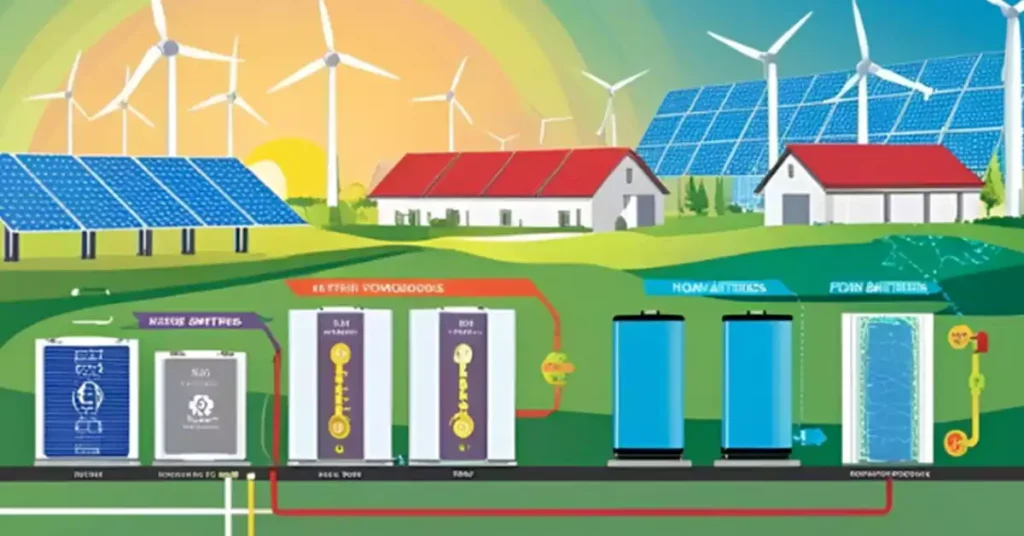
As energy storage systems (ESS) become increasingly vital to modern power infrastructure, the role of electrical conduit as a protective backbone cannot be overstated. Whether applied in residential battery systems, commercial backup storage, or utility-scale installations, conduits must be selected and installed to meet rigorous performance, safety, and regulatory requirements. This section outlines best practice principles for conduit installation in ESS applications, reflecting guidance from key global standards (NEC, CEC, AS/NZS, and IEC).
Mechanical and Environmental Protection
Conduits in ESS installations must protect cabling against:
Physical damage: Especially in locations exposed to maintenance activity or heavy equipment.
Environmental hazards: Including moisture, UV radiation, chemicals, and temperature extremes.
PVC conduits should be sunlight-resistant (marked “SUN RES”) and rated for expected temperatures.
Metallic conduits must be corrosion-resistant or coated where used in corrosive or damp environments.
Proper Conduit Sizing and Bending
Conduit fill capacity must not exceed specified limits to allow for heat dissipation and cable pull ease.
NEC and IEC limit fill to 40% for three or more conductors.
Minimum bend radius should be observed based on conductor size to avoid insulation damage.
Use gradual bends or factory sweeps for battery system conductors, which often include large-diameter cables.
Separation of Circuit Types and Voltage Levels
AC and DC circuits must be run in separate conduits or physically separated within enclosures to prevent electromagnetic interference (EMI) and improve system safety.
Low-voltage control cables should not be bundled with power cables.
Circuits of different voltage classes should not share the same conduit unless specifically allowed.
接地和接合
Metallic conduit (e.g., RMC, EMT) must be properly bonded to the grounding system to ensure fault current paths.
Non-metallic conduit requires a separate grounding conductor sized per system ampacity.
Conduits in DC systems, especially with high voltage (e.g., 100–1000 V DC), must have secure and continuous bonding connections.
Installation Supports and Securing
Conduits must be supported at regular intervals as per conduit type:
急救人员: within 3 ft (900 mm) of enclosures and every 10 ft (3 m).
PVC: within 3 ft of boxes and every 3 ft to 6 ft (depending on size).
Expansion fittings must be included for thermoplastic conduits (like PVC) subject to temperature changes.
Moisture Sealing and Ingress Protection
Conduits entering enclosures in wet or outdoor locations must be sealed using approved watertight fittings.
Underground raceways must use conduits and fittings rated for direct burial or encasement in concrete.
For flood-prone areas, conduit seals and above-grade entry points are essential to avoid water migration into battery enclosures.
Cable Identification and Labeling
All conduit systems should be clearly labeled to indicate circuit function (AC, DC, control), voltage class, and polarity where applicable.
Use color-coded or tagged labels that are UV and weather-resistant, especially in outdoor ESS applications.
A well-installed conduit system forms the structural and safety foundation of any power storage setup. Whether protecting against fire, corrosion, EMI, or mechanical damage, proper installation practices, anchored in international and national standards, are essential for long-term performance and regulatory compliance. Following these best practices ensures not only code adherence but also system efficiency, serviceability, and safety across the entire energy storage lifecycle.
Safety Compliance Best Practices of ESS - 7 Tips
Safety is at the heart of every energy storage system (ESS) design, and conduit installation plays a key role in ensuring the safe routing and protection of electrical conductors. As battery technologies evolve and storage systems grow in scale and complexity, adherence to safety compliance requirements becomes increasingly critical.
Follow the Correct Standard
Every ESS installation must comply with the local electrical code and any additional product or installation-specific standards. These may include:
NEC(NFPA 70) in the U.S. — especially Article 706 and 690.
CEC Section 64 in Canada.
AS/NZS 3000 and 5139 in Australia and New Zealand.
IEC 60364 series and IEC 62933 for international installations.
Each standard defines conduit requirements such as allowable materials, grounding, wiring methods, environmental ratings, and physical protection levels.
Use Only Approved and Rated Conduit
All conduit, fittings, boxes, and accessories must be UL/CSA listed, AS/NZS certified, IEC or other standards conforming for the region.
Rated for the application, e.g., outdoor, corrosive environment, or hazardous location.
Ensure Proper Grounding and Bonding
Grounding is essential for fault protection, especially when metallic conduits (EMT, IMC, RMC) are used.
Non-metallic conduits require an internal grounding conductor sized per local code.
Bond all conductive enclosures and equipment back to the grounding system to create a low-impedance fault path.
Maintain Fire Resistance
Conduits used in energy storage systems should have high flame-retardant ratings:
UL 94 V-0 or 5VA for non-metallic conduit materials.
Or use Low Smoke Zero Halogen (LSZH) conduit in enclosed environments like battery rooms or underground facilities.
Prevent Overheating and Derate Conductors
Conduit systems that contain multiple current-carrying conductors in confined spaces require ampacity derating to avoid overheating.
NEC and IEC both require derating adjustments when more than three conductors are installed in the same raceway.
Use metallic conduits or thermally rated PVC in locations with elevated ambient temperatures.
Maintenance, Accessibility, and Future Expansion
Install accessible pull points and junction boxes to allow safe inspection and maintenance.
Maintain proper conduit labeling for AC/DC circuits, voltage class, and identification.
Design systems to accommodate future capacity upgrades, avoiding overcrowding and minimizing disruption.
Document and Inspect the Installation
Provide drawings that accurately reflect conduit routing, connections, and conductor paths.
Conduct visual and mechanical inspections before energization:
Check for tight fittings, mechanical strain relief, ground continuity, and proper sealing.
Many jurisdictions also require third-party inspection and final sign-off.
Ledes Solutions - For Energy Storage Systems
As a trusted conduit manufacturer, Ledes offers a comprehensive range of code-compliant conduit products designed to meet the mechanical, thermal, chemical, and fire-resistance requirements of today’s ESS projects. whether installed indoors, outdoors, underground, or in demanding environments like utility-scale battery banks or rooftop systems.
Product Ranges:
硬质 PVC 导管
UL and CSA listed, available in Schedule 40 and Schedule 80.
Flame-retardant, sunlight resistant, and corrosion-free.
Compatible with US (NEC), Canadian (CEC), and international standards.
Lightweight, flexible, and easy to install in tight or complex pathways.
Flame-rated and suitable for use in concrete slabs, wall cavities, and ceilings.
Designed to meet UL 1653, CSA C22.2 No. 227.1, and other key codes.
Developed for environments where fire safety and low toxicity are essential — such as enclosed battery rooms or public infrastructure.
Rated to UL 94 V-0 / 5VA flammability and tested to IEC 60754 and ASTM E662 standards.
Available in medium-duty and heavy-duty options, suitable for rigid and corrugated systems.
Conduit Accessories
To complement its conduit systems, Ledes also provides:
Adaptors and connectors (including screw-to-plain, corrugated-to-screw, and terminal fittings).
Inspection bends and elbows, including 90° and 45° variants with or without bell ends.
U clips, junction boxes, and couplings that ensure complete circuit integrity and mechanical protection.
Quality, Safety, and Sustainability Commitment
Ledes is deeply committed to quality assurance and environmental responsibility:
- All products undergo rigorous testing for impact strength, compression, flammability, and thermal performance.
- Manufacturing follows ISO 9001:2015 and supports 6P environmental standards — free from harmful heavy metals like lead, cadmium, and mercury.
- LSZH options contribute to green building certifications and enhanced fire protection strategies in modern energy infrastructure.
Future Trends of Energy Storage Systems
The rapid global pivot to renewable energy has positioned Energy Storage Systems (ESS) as a cornerstone of the new energy economy. As utility-scale battery storage, residential energy systems, and microgrids become more widespread, the infrastructure supporting them, including electrical conduit systems, must adapt. Looking ahead, both ESS and conduit technologies are evolving in tandem, shaped by advances in technology, regulation, and sustainability.
ESS Industry Growth and Diversification
Driven by decarbonization goals, grid resilience needs, and electric mobility, the global ESS market is expected to surpass USD 400 billion by 2030. Key trends include:
Wider Adoption Across Sectors: ESS is no longer limited to utility-scale. Commercial buildings, EV charging stations, data centers, and even residential homes are now integrating storage.
Longer Duration Storage: Beyond lithium-ion, technologies like flow batteries, solid-state batteries, and hydrogen storage are gaining attention for their multi-hour to multi-day capabilities.
Increased Regulatory Attention: Authorities are tightening safety, fire, and performance codes, which impacts the installation environment and infrastructure — including conduits.
Smarter, Data-Enabled Conduit Infrastructure
With ESS increasingly monitored and controlled via real-time data and remote systems, conduit solutions must evolve to accommodate this digital transformation:
Conduits for Power and Data Co-routing: Systems will require conduit solutions that can house both electrical and communication cables, especially in smart grid and BESS installations.
Integration with IoT and EMS: Future conduit systems will support embedded sensors or smart tags for monitoring temperature, moisture, or cable integrity inside the conduit.
专业提示: If you pay attention to the data center industry, you will definitely know that the current data center has a very high demand for electricity. With the continuous development of AI, data center security issues have become a huge challenge. To this end, we have detailed the analysis of data center conduit requirements and purchase recommendations, you can go and read it.
Enhanced Fire Safety and Risk Mitigation
With high-energy battery systems, fire risk management is critical. As a result:
- Low Smoke Halogen-Free (LSZH) and fire-rated conduit systems will become the industry standard, particularly in enclosed or occupied spaces.
- Conduit designs will need to support DC-specific safety requirements, including heat dissipation, arc resistance, and separation of circuits.
- More projects will adopt sealed or liquid-tight conduit systems to prevent ingress of water, gases, or fire accelerants in high-risk environments.
Sustainability and Circularity in Material Design
Environmental responsibility is now a central pillar in energy projects. Expect:
- Eco-designed conduit systems with reduced carbon footprint, made from recyclable and lead-free PVC or LSZH materials.
- Conduit manufacturers to align with green building certifications like LEED and Green Star, and comply with international sustainability benchmarks such as RoHS, REACH, and 6P environmental standards.
结论
As Energy Storage Systems (ESS) continue to reshape the global energy landscape, electrical conduit systems play a crucial role in enabling safe, reliable, and compliant installations.
From understanding the core types of conduit and their functions, to dissecting the NEC, CEC, AS/NZS, and IEC standards governing their application in ESS environments, one message is clear: conduit design and selection must be intentional, standards-driven, and future-ready. And installation and safety compliance both are vital in battery-dense environments where fire risk, high voltage, and thermal performance are mission-critical concerns.
As ESS technologies evolve to support everything from EV charging stations to grid stabilization, conduit systems must evolve in parallel, becoming smarter, safer, and more sustainable. Understanding this synergy is key to building energy infrastructure that not only performs today but endures tomorrow.
常见问题解答:
为什么电线导管在储能系统中如此重要?
在储能系统 (ESS) 的布线基础设施中,电线导管提供至关重要的保护和整理。这些系统通常处理高压、大电流的直流和交流电路,因此需要坚固的防护措施来防止触电、火灾和机械损坏。导管还能确保符合国家和国际规范,延长系统使用寿命,并有助于在恶劣或敏感环境中保持系统的可靠性和可维护性。.
为什么储能系统安装中管道隔离很重要?
妥善隔离电源、控制和通信电缆可以最大限度地降低干扰、短路和过热的风险,尤其是在高压直流和交流电路共存的情况下。大多数标准都要求在不同类型的电路之间设置物理屏障或保持一定距离。.
柔性导管可以用于储能系统吗?
是的,但仅限于规范允许且在特定环境和机械应力限制范围内。例如,液密柔性金属导管(LFMC)可用于潮湿或振动环境,而波纹低烟无卤(LSZH)导管则非常适合易燃环境。.
导管材料如何影响热管理?
导管材料既可以吸收热量,也可以散发热量。金属导管有助于散热,但需要接地;PVC导管具有绝缘性,但如果通风不良,则可能积聚热量。热性能日益受到重视,尤其是在锂离子电池环境中。.
参考: