Ir para o conteúdo

Índice
Did you know that electrical problems cause more than 1,400 fires in Canada every year? These fires destroy homes, businesses, and cost millions of dollars. No matter if you are a professional electrician or just starting to learn, electrical safety is something everyone must pay attention to. The Canadian Electrical Code (CEC) is here to help keep people and buildings safe.
In this ultimate guide, you will learn what the CEC is, why it is important, and how it can help you work safely and correctly with electricity. You will also discover the newest changes to the code in 2025, tips to avoid common mistakes, and advice to make sure your work follows the rules. This article will make the important parts of the CEC clear and easy to understand, so you can do your job safely and confidently.
Why This Guide Matters
For professionals in the electrical industry, navigating the CEC can be complex. The code is reflecting advancements in electrical technology, renewable energy integration, and improved safety standards. Staying informed about these updates is crucial for:
- Ensuring compliance with legal and safety requirements
• Avoiding costly mistakes and project delays
• Enhancing the safety of electrical systems
• Improving efficiency in electrical design and installation
This ultimate guide aims to break down the key aspects of the CEC, making it easier to understand and apply. Whether you’re a seasoned electrician or a newcomer to electrical installations, this guide will provide clear insights into the structure, requirements, and applications of the CEC in real-world scenarios.
What Is the Canadian Electrical Code (CEC)?
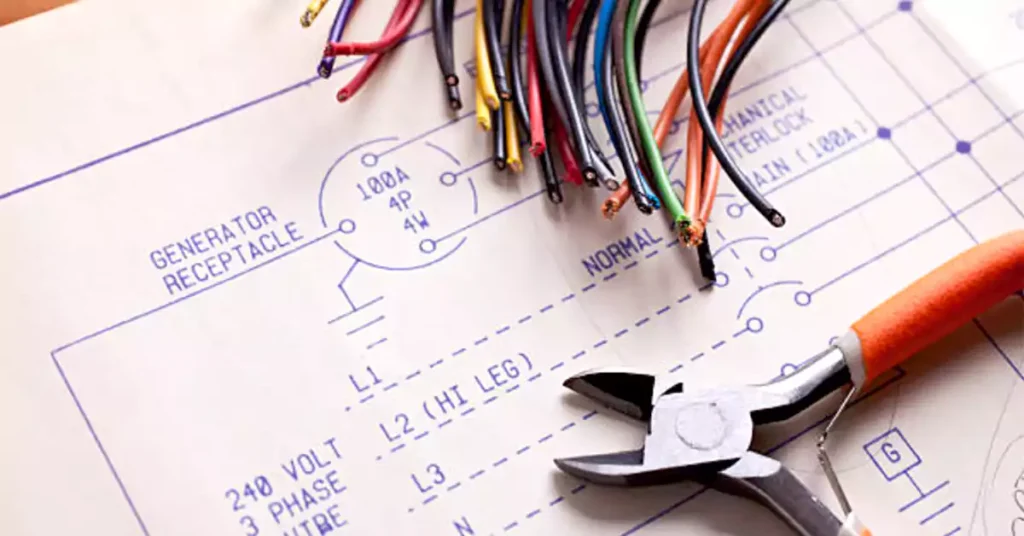
The Canadian Electrical Code (CEC), also referred to as CE Code or CSA C22.1, is a national standard published by the Canadian Standards Association (CSA Group). It governs the installation and maintenance of electrical equipment across Canada, ensuring safety, efficiency, and compliance with modern electrical practices.
The CEC serves as the foundation for electrical wiring regulations in Canada, providing a prescriptive model that details acceptable wiring methods. While the Code allows for alternative safe installation methods, such approaches must be approved by the local enforcement authority.
History & Evolution of the CEC
The Canadian Electrical Code (CEC) has been a critical part of Canada’s electrical safety framework for nearly a century. First introduced in 1927, the CEC was developed to establish uniform electrical safety standards across the country. Over the decades, as electrical technology advanced, so did the CEC – adapting to new challenges, innovations, and regulatory requirements.
The Canadian Standards Association (CSA Group), an independent, non-profit organization, has been responsible for developing and maintaining the CEC. The CSA updates the code every three years, ensuring that it reflects emerging safety concerns, advancements in electrical engineering, and evolving industry needs.
Over the decades, each edition has contributed to safer installations and reduced risks associated with electrical work。
- 1927: The first edition of the CEC was introduced, setting the groundwork for safe electrical practices.
- Mid-20th Century: Several revisions were made to incorporate evolving technologies and better practices.
- 2024: The recent edition – 26th edition, released in 2024, includes significant updates that reflect the latest in electrical safety technology and practices, including changes in wiring methods and updated standards for new equipment.
Development of the CEC is a collaborative effort involving volunteers from industry, government bodies, and electrical safety organizations. Over the decades, the Code has expanded to address new challenges, including:
- Grounding and bonding advancements to enhance electrical safety
- Arc-fault and ground-fault protection to mitigate electrical fire hazards
- Energy efficiency requirements for modern electrical systems
- Guidelines for renewable energy integration, including solar power and electric vehicle (EV) charging infrastructure
The Code continues to evolve, adapting to the increasing complexity of electrical systems and sustainable energy solutions.
Governing Bodies: Who Regulates the CEC?
While the CSA Group is responsible for publishing and maintaining the CEC, each Canadian province and territory independently adopts and enforces the Code, often with region-specific amendments.
Provincial and Territorial Adoption
Electrical safety is regulated at the provincial and territorial levels. Some regions may:
- Implement the latest CEC edition immediately.
- Introduce administrative or technical amendments based on local needs.
- Operate under a slightly modified version of the CEC to align with specific provincial requirements.
Por exemplo:
- Quebec follows the Code de construction du Québec, Chapitre V – Électricité, which closely mirrors the CEC but includes provincial modifications.
- Ontario and British Columbia may apply additional fire protection and safety measures.
Alignment with the National Building Code
The CEC works in conjunction with the National Building Code of Canada (NBC). The NBC covers structural, fire, and energy efficiency requirements, while the CEC ensures that all electrical installations meet strict safety and performance standards. This alignment helps create a cohesive national framework for electrical and construction safety.
Impact on Industry Safety
The CEC has played a crucial role in reducing electrical hazards across Canada by:
- Standardizing wiring and grounding practices to prevent faults.
- Requiring advanced protection mechanisms (e.g., arc-fault and ground-fault circuit interrupters).
- Enhancing regulations for electrical equipment to ensure safety and durability.
- Addressing emerging technologies such as EV charging stations and renewable energy.
By maintaining strict compliance with the CEC, electricians, contractors, and engineers contribute to one of the safest electrical infrastructures in the world.
Key Sections of the CEC Every Professional Must Know
Overview of CEC Parts
The Canadian Electrical Code (CEC) is divided into multiple parts to address the diverse requirements of electrical installations. Among these, certain sections are particularly relevant to electrical wiring and conduit applications.
Part I: Safety Standard for Electrical Installations
This section sets the fundamental guidelines for the safe installation, operation, and maintenance of electrical equipment. It includes comprehensive requirements for wiring methods, grounding, over-current protection, and safety protocols to ensure compliance with national electrical safety standards.
Part II & III: Product-Specific Standards and Specialized Equipment Guidelines
These sections cover detailed technical specifications for electrical products and specialized installations. They provide guidance for specific applications such as electric signs, industrial machinery, and hazardous area wiring, ensuring that products meet safety and performance standards.
Key Sections of CSA C22.1:24
Several sections within the CEC focus specifically on electrical wiring, conduits, and installation practices for residential, commercial, and industrial applications:
Section 12: Wiring Methods and Raceways
This section provides detailed requirements for different types of conduits and raceways, including:
- Conduit installations – Different kind of installation scenarios such as underground installations, wiring in plenum chambers, under raised floors etc. (Notes: Learn more about electrical conduit installation tips for our last post)
- Raceways of wiring – Specifies the raceways of wiring, including the use of PVC, metal, and liquid-tight conduits based on environmental conditions. And cable trays to support wiring.
Sections 18-24: Commercial and Industrial Wiring
These sections outline critical installation requirements for challenging environments, including:
- Hazardous Locations (Section 18) – Classification of explosive atmospheres and conduit sealing requirements to prevent ignition.
- Gasoline Dispensing and Service Stations (Section 20) – Wiring methods for fuel-handling areas, emphasizing corrosion-resistant conduit materials.
- Industrial Facilities (Section 22) – Electrical installations in areas with corrosive liquids, vapors, and excessive moisture.
- Patient Care Areas (Section 24) – Special grounding and isolation requirements for electrical systems in hospitals and healthcare facilities.
Section 64: Renewable Energy Systems
As renewable energy adoption grows, this section provides essential guidelines for:
- Solar Photovoltaic (PV) Installations – Wiring and conduit requirements for rooftop and ground-mounted solar panels.
- Wind Energy Systems – Safe routing of electrical conduits in wind turbine installations.
- Sistemas de armazenamento de baterias – Compliance standards for integrating energy storage solutions with electrical infrastructure.
These sections ensure that electrical professionals comply with CEC standards while installing safe, reliable, and code-compliant electrical wiring and conduit systems. In the following sections, we will explore each of these topics in detail.
Deep Dive into the Key Sections of CEC Code
CEC code sets all aspects of electrical related requirements, here we will just introduce some of the important information that related to electrical wiring, raceways of conduit, and installations.
Wiring Methods and Raceways (Section 12):
Section 12 of the Canadian Electrical Code (CEC) outlines the general requirements for wiring methods to ensure safe and reliable electrical installations. These requirements encompass the selection, installation, and support of various wiring systems.
General Requirements for Wiring Methods:
Conductor Insulation:
Conductors must have insulation suitable for the system’s voltage and the specific environmental conditions of the installation. For instance, conductors used in ungrounded or impedance-grounded systems should comply with specific insulation thickness requirements to ensure safety.
Protection Against Mechanical Injury:
Wiring methods should be selected and installed to protect conductors from mechanical damage. This includes using appropriate raceways or conduits in areas where conductors are exposed to potential harm.
Support and Securement:
Conductors and raceways must be securely fastened and supported at intervals specified by the code to prevent sagging, physical damage, or undue strain on terminations.
Spacing:
When installing conductors, conduits or cables in cable trays, proper spacing must be maintained based on the size of adjacent conductors. This ensures adequate ventilation and reduces the risk of overheating.
Underground Installation Requirements
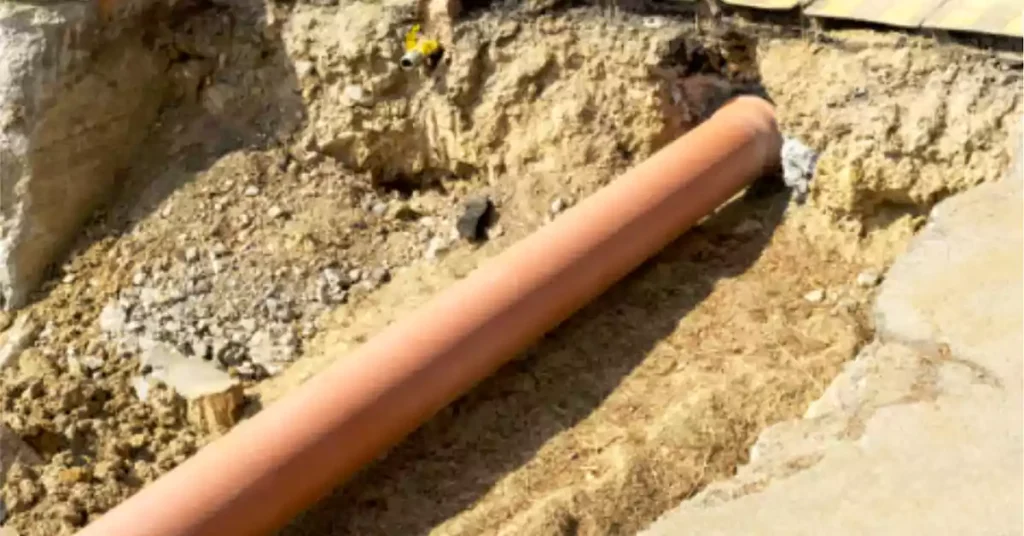
There are many wiring methods introduced in the CEC, one is underground installation that we often use. And here are some key requirements for this installation methods:
- Minimum Cover Requirements:
Direct buried cables or raceways must adhere to the minimum cover depths specified in Table 53 of the CEC. These depths vary depending on factors such as the type of wiring method employed and the specific installation conditions.
- Ampacity Considerations:
When conductors and cables transition from underground to above-ground installations for termination at electrical equipment, their ampacity must be determined based on the 75°C columns of Tables 1–4. This ensures compliance with the rules of CEC.
- Separation Requirements:
Rule 12-012 mandates specific separation requirements for underground installations of cables or conductors in raceways. This rule ensures that installations maintain adequate spacing to prevent potential hazards.
- Marking of Underground Installations:
All underground wiring installations must be adequately marked to indicate their presence. Common practices include burying an electrical warning marker tape halfway above the electrical wiring in the trench or using permanent above-ground markers, such as printed signs.
Requirements for Specific Types of Conduits:
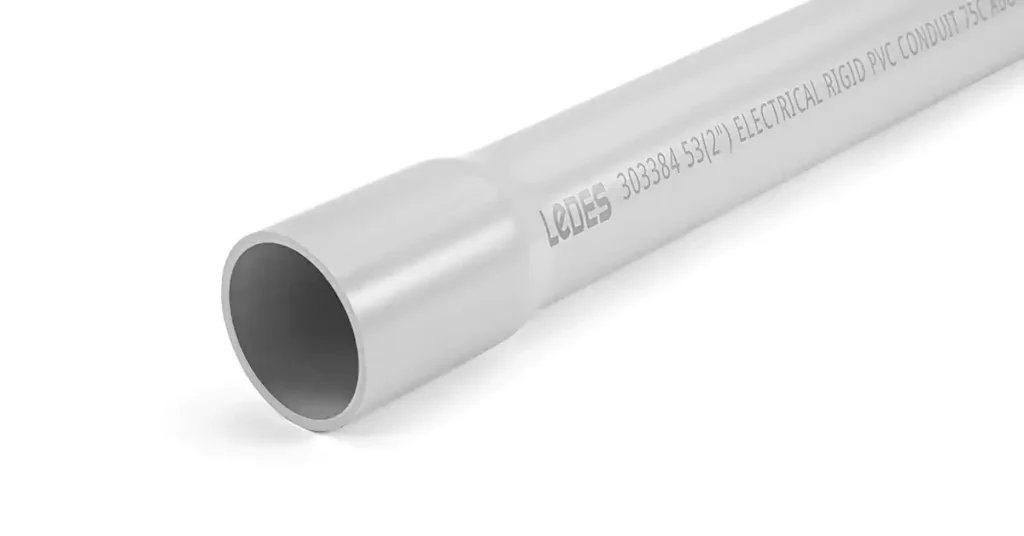
Uses and Retrictions: Rigid PVC conduit is suitable for various installations, such as exposed work, above and underground. But it has specific restrictions outlined in the CEC, like installation enclosed in thermal insulation.
Limitações de temperatura: PVC conduits must not be subjected to temperatures exceeding 75°C to maintain their structural integrity.
Number of Conductors: The CEC rule 12-1120 specifies the maximum number of conductors allowed within PVC conduits to prevent overheating and ensure safety.
Fittings and Support: Proper fittings must be used to ensure a secure and safe installation. The CEC also outlines maximum spacing for conduit supports to maintain mechanical stability.
Bonding: Provisions for bonding continuity are specified to ensure electrical safety throughout the installation.
Rigid Types EB1 and DB2/ES2 PVC Conduit:
Uses and Restrictions: These conduit types are designed for underground installations, with DB2/ES2 suitable for direct burial and EB1 intended for encased burial in concrete.
Limitações de temperatura: The CEC specifies temperature limitations to ensure these conduits function correctly without degradation.
Mechanical Protection: Requirements for mechanical protection are outlined to safeguard the conduits from physical damage. The conduits should have enough mechanical strength of impact resistance, tensile resistance, crushing resistance etc.
Installation Methods: Rule 12-1162 specified the method of installing these direct burial conduit types, and together with fittings such as couplings, bends, adapters to complete the installation.
Eletroduto de Polietileno de Alta Densidade (PEAD):
Uses and Restrictions: HDPE conduit is permitted for specific applications, particularly in underground installations where flexibility and corrosion resistance are advantageous.
Limitações de temperatura: The CEC outlines temperature limitations for HDPE conduits to ensure they operate safely under various conditions.
Installation Methods: Specific methods of installation are prescribed in rule 12-1254 to maintain the integrity and safety of HDPE conduit systems.
Electrical Non-metallic Tubing:
Uses: Electrical nonmetallic tubing is permitted in underground when in accordance with Rule 12-012, and in exposed or concealed locations. But should not be used in locations where subjected to damage unless provided with mechanical protection.
Limitações de temperatura: ENT is designed to withstand specific temperature ranges. Installers must ensure that the ambient temperature does not exceed the tubing’s rated capacity 75°C to maintain its structural integrity and safety.
Support and Securement: ENT must be securely supported and fastened at intervals by straps. Additionally, supports should be placed within 1m of every outlet box, junction box, device box, cabinet, or fitting to prevent sagging and maintain alignment. And the spacing between supports should be not more than 1m.
Number of Conductors: The number of conductors installed within ENT must not exceed the fill capacities specified in CEC Rule 12-910. It provides the maximum number of conductors of various sizes that can be safely installed to prevent overheating and ensure ease of installation.
Acessórios e conexões: Only fittings specifically designed and listed for use with ENT should be utilized. These fittings ensure proper connections and maintain the integrity of the raceway system. Solvent cement or other approved methods should be used to join fittings, ensuring a secure and continuous pathway for conductors.
Commercial and Industrial Systems (Section 18-24):
Sections 18-24 of the Canadian Electrical Code (CEC), CSA C22.1:21, provide critical guidelines for ensuring the safety and functionality of electrical installations in commercial and industrial environments. These sections cover essential aspects related to hazardous locations, flammable liquid handling, environments with corrosive materials, and patient care areas.
Key information and requirements include:
Hazardous Locations (Section 18):
Classification of Hazardous Locations: Defines Class I (flammable gases or vapors), Class II (combustible dust), and Class III (flammable fibers or flyings) locations.
Métodos de fiação: Requires explosion-proof enclosures, sealed conduit systems, and intrinsically safe circuits to prevent ignition.
Limitações de temperatura: Specifies maximum surface temperatures for electrical equipment to avoid ignition in explosive atmospheres.
Bonding and Grounding: Essential to prevent static discharge and control potential differences.
Flammable Liquid Handling and Storage Facilities (Section 20):
Guidelines for electrical systems in fuel stations, bulk storage plants, service stations, garages, finishing processes, and aircraft hangars.
Service Stations, Garages, Bulk Storage Plants, and Aircraft Hangars: Mandates the use of sealed conduit systems and explosion-proof lighting and devices.
Ventilation and Control Systems: Requires proper ventilation and emergency shut-off systems to prevent fire and explosion hazards.
Aterramento e ligação: Ensures proper grounding of tanks, piping, and electrical equipment to prevent static discharge.
Corrosive and Moisture-Prone Environments (Section 22):
Protection of electrical systems in locations exposed to corrosive liquids, vapors, and excessive moisture. This involves using corrosion-resistant materials, sealing systems against moisture ingress, and ensuring proper grounding and bonding.
Seleção de materiais: Requires the use of corrosion-resistant conduits (e.g., PVC rigid conduit, HDPE conduit, and non-metallic tubing) and enclosures.
Sealing and Insulation: Prevents moisture ingress through sealed fittings and junction boxes.
Support and Bonding: Specifies proper conduit support spacing and bonding for electrical continuity and protection against deterioration.
Patient Care Areas (Section 24):
Special requirements for electrical installations in healthcare facilities to ensure the safety of patients and medical equipment.
Isolated Power Systems: Reduces the risk of electric shock by isolating circuits and monitoring ground faults.
Redundant Grounding and Equipment Bonding: Ensures continuous protection for sensitive medical equipment.
Use of Hospital-Grade Devices: Specifies hospital-grade receptacles, wiring methods, and electromagnetic interference protection.
By adhering to these guidelines, commercial and industrial facilities can mitigate the risks associated with hazardous materials, flammable environments, corrosive conditions, and sensitive medical areas. Compliance with these sections is vital for safeguarding personnel, equipment, and infrastructure while meeting regulatory standards and enhancing overall safety.
Renewable Energy Systems (Section 64):
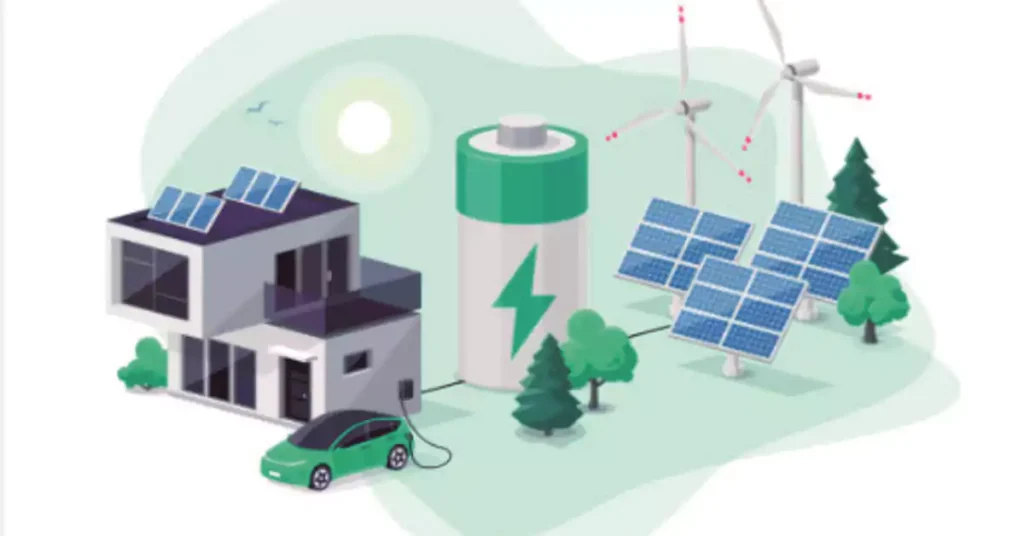
Section 64 of the Canadian Electrical Code (CEC), CSA C22.1:24, establishes the requirements for the safe installation and operation of renewable energy systems, energy production systems, and energy storage systems. This section is essential for ensuring electrical safety, efficiency, and compliance with modern energy technologies.
Key Information and Requirements:
- Renewable Energy Systems:
Solar Photovoltaic (PV) Systems, Wind Turbines, and Hydro Systems: Guidelines for proper wiring methods, grounding, and protection against overcurrent and fault conditions.
Inverter and Power Conditioning Equipment: Requirements for safe integration with utility power and grid-tied systems.
Disconnecting Means and Safety Controls: Ensures the ability to isolate renewable energy sources during maintenance or emergencies.
- Energy Production Systems:
Distributed Generation Systems: Regulations for small-scale power generation and microgrids.
Connection to Utility Grid: Standards for interconnection, metering, and synchronization with the electrical grid.
Protection Against Backfeed and Fault Current: Prevents hazards related to reverse power flow and system instability.
- Energy Storage Systems (ESS):
Sistemas de armazenamento de baterias (Lithium-ion, Lead-acid, and Flow Batteries): Installation requirements for safe handling, ventilation, and thermal management.
Inverter and Charge Controller Compatibility: Ensures proper charging and discharging control.
Emergency Shutdown and Fire Protection: Provides measures to prevent thermal runaway and ensure safe shutdown in critical situations.
Additional Critical Factors:
- Grounding and Bonding Requirements: Prevents electrical shock and ensures system stability.
- Protection Against Overvoltage and Overcurrent: Safeguards the electrical system and connected equipment.
- Inspection and Maintenance Protocols: Regular inspections and monitoring to ensure long-term performance and compliance.
Compliance with Section 64 is vital for supporting the transition to clean energy while maintaining the safety and reliability of electrical systems.
Compliance & Enforcement Across Canadian Jurisdictions
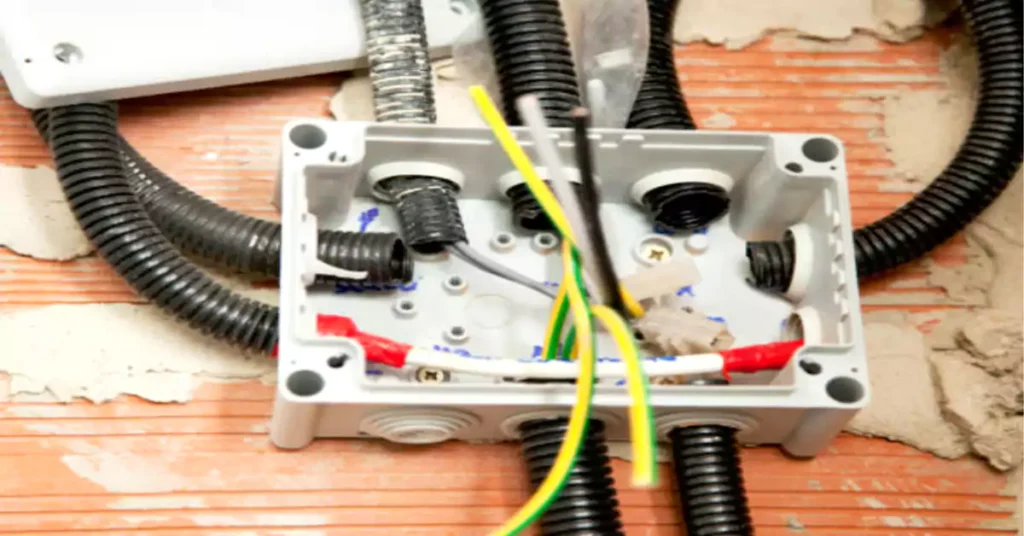
Ensuring electrical safety across Canada relies on the effective adoption and enforcement of the Canadian Electrical Code (CEC). While the CEC provides a national framework, each province and territory tailors its implementation to address local needs and conditions.
A. Provincial & Territorial Adoption
The CEC is a voluntary standard developed by the Canadian Standards Association (CSA), intended for adoption by regulatory authorities. Each province and territory decides how to integrate the CEC into its regulations, often with specific amendments to suit regional requirements.
- Ontario: The Ontario Electrical Safety Code (OESC) incorporates the CEC with modifications to address local safety concerns and environmental conditions.
- Alberta: Alberta Municipal Affairs adopts the CEC and may supplement it with additional regulations to meet the province’s unique industrial and residential needs.
These adaptations ensure that while the CEC provides a common safety baseline, each region can enforce additional measures where necessary.
B. Regulatory Enforcement
Enforcement of the CEC is managed by local inspection authorities and regulatory bodies within each province and territory. Their responsibilities include:
- Inspections: Conducting regular assessments to verify compliance with the Code.
- Permitting: Ensuring that electrical installations have the necessary permits before work begins.
- Amendment Enforcement: Implementing and overseeing local amendments to address regional safety challenges.
Regulatory authorities actively participate in the development of the CEC, with representation on the Canadian Electrical Code, Part I Committee from all provinces and territories, as well as major municipalities like Winnipeg, Calgary, and Vancouver.
C. Adoption Variations
The timing and edition of CEC adoption can vary across jurisdictions. For instance, as of December 2021, Alberta adopted the 2021 edition of the CEC, effective February 1, 2022, while British Columbia’s adoption took effect on October 1, 2022.
D. Expert Insights
Industry experts emphasize that regional adaptations of the CEC are crucial for addressing local challenges. The combination of a robust national standard with regional amendments results in installations that are both safe and tailored to local needs.
Case Study
In Ontario, the integration of the Canadian Electrical Code (CEC) with provincial amendments ensures that electrical installations meet both national and local safety standards. A notable example is the rigorous enforcement of the Ontario Electrical Safety Code (OESC), which incorporates the CEC with specific modifications to address regional conditions.
While specific case studies detailing the implementation of the OESC in multi-residential buildings are not readily available, the Electrical Safety Authority (ESA) emphasizes the importance of proactive maintenance and compliance with updated codes to prevent system failures in aging multi-unit residential buildings.
In summary, while the CEC provides a national framework for electrical safety, its effective implementation relies on provincial and territorial authorities adapting and enforcing the Code to meet local conditions and requirements.
Navigating CEC Compliance: A Step-by-Step Guide
Achieving full compliance with the Canadian Electrical Code (CEC) is not just about following national standards but also understanding the unique requirements of each province and territory. By integrating key CEC sections – such as wiring protection, hazardous locations, fire prevention, and installation standards – electricians and contractors can ensure safe and code-compliant electrical installations. Here’s a practical 4-step guide:
Step 1: Understand Provincial Amendments
Since the CEC serves as a national standard, each province and territory has the flexibility to implement its own amendments to meet local safety and environmental needs. Understanding these regional variations is crucial for compliance:
Ontario: The Electrical Safety Authority (ESA) mandates AFCI (Arc Fault Circuit Interrupter) protection for all bedroom circuits to prevent electrical fires.
Quebec: The Régie du bâtiment du Québec (RBQ) enforces bilingual labeling for electrical panels to ensure safety for both French and English speakers.
British Columbia: Contractors must submit a “Declaration of Compliance” form to Technical Safety BC before final inspections.
Section 12 (Wiring Methods) and Section 26 (Installation of Electrical Equipment) address proper AFCI protection and labeling practices. Following these guidelines not only meets local amendments but also enhances fire prevention and wiring protection.
Step 2: Conduct Risk Assessments and Inspections
A thorough risk assessment helps identify potential code violations before installation. Using modern compliance tools can streamline this process:
- CSA’s “CEC Quick Check” App allows contractors to quickly identify code gaps and potential hazards.
- Evaluating Hazardous Locations: Sections like 18 and 20 of the CEC provide guidelines for installations in areas with explosive gas atmospheres or flammable liquids. Proper classification of these zones is vital to mitigate risks.
- Fire Protection Standards (CEC Section 22): For areas exposed to combustible fibers or dust, selecting the right conduit and equipment prevents overheating and sparks.
- Assessing Wiring Methods: Section 12 outlines acceptable wiring methods, ensuring that installations meet safety standards and are appropriate for the specific environment.
Estudo de caso: A Winnipeg hospital successfully reduced rework costs by 30% by hiring third-party inspectors for pre-approval inspections, identifying non-compliance issues in hazardous areas before final installation.
Step 3: Certify with Local Authorities
Proper documentation and certification are critical to proving compliance with the CEC. Each province has specific requirements:
In British Columbia, contractors must submit the “Declaration of Compliance” form to Technical Safety BC.
In Ontario, securing an ESA inspection report is necessary before energizing any installation.
Section 24 (Patient Care Areas) ensures electrical safety in healthcare facilities, while Section 32 covers installations in emergency systems, such as fire alarms and exit lighting.
Etapa 4: Aproveite os recursos educacionais e o treinamento
Manter-se atualizado com as últimas revisões e melhores práticas do CEC é essencial para a conformidade a longo prazo:
Webinários "Code Coach" da ESA Fornecer orientação especializada sobre erros comuns de conformidade.
Manual de Educação Continuada da CSA Oferece comentários detalhados dos responsáveis pela elaboração do código e dicas práticas de instalação.
Portais de treinamento online: O acesso a módulos de treinamento e programas de certificação mantém os profissionais atualizados sobre mudanças nas normas e melhores práticas.
Dica de especialista de um engenheiro eletricista:
“Um erro comum de conformidade é a proteção inadequada de cabos em ambientes com alta vibração ou locais úmidos. Seguindo a Seção 12 do CEC para seleção de conduítes e a Seção 18 para instalação em locais perigosos, os instaladores podem evitar retrabalho dispendioso e riscos à segurança.”
Seguindo essa abordagem estruturada em 4 etapas e integrando as principais seções do CEC (Código Elétrico Canadense), os profissionais da área elétrica podem garantir a conformidade com as normas nacionais e suas emendas provinciais. Isso não só aumenta a segurança na proteção da fiação, em ambientes perigosos e na prevenção de incêndios, como também reduz erros de instalação e atrasos em projetos.
Atualizações da CEC 2024: O que há de novo?
O Código Elétrico Canadense (CEC) passa por revisões regulares para abordar tecnologias emergentes, aprimorar os protocolos de segurança e melhorar a clareza nas instalações elétricas. A edição de 2024 introduz diversas mudanças importantes que os profissionais do setor elétrico devem conhecer.
Sistemas de energia renovável e armazenamento de energia
Integração de baterias de lítio: As restrições anteriores ao uso de baterias de lítio em sistemas de armazenamento de energia residencial foram suspensas, permitindo soluções energéticas mais flexíveis e eficientes.
Sistemas fotovoltaicos: Novos requisitos de desligamento rápido foram implementados para instalações fotovoltaicas a fim de aumentar a segurança dos bombeiros durante emergências.
Segurança aprimorada para piscinas, banheiras e spas.
Requisitos de garantia: As revisões visam atenuar os gradientes de tensão em torno de piscinas e banheiras de hidromassagem portáteis, reduzindo o risco de choque elétrico.
Meios de desconexão: Foram introduzidas diretrizes aprimoradas para melhorar a segurança da manutenção dessas instalações.
Estabelecimentos de Saúde
Recipientes resistentes à adulteração: O código agora exige o uso de recipientes invioláveis em áreas destinadas a cuidados infantis e diagnósticos, a fim de aumentar a segurança do paciente.
Métodos de fiação
Cabos com revestimento não metálico: Uma nova subseção aborda os requisitos para cabos com revestimento não metálico, como os tipos TC e LVT, detalhando as diretrizes para seu suporte e aterramento.
Instalações suspensas: Existem normas atualizadas relativas a suportes de cabos, condutores de ligação e limites de vão para garantir a integridade estrutural e a segurança.
Condutores
Alinhamento das métricas AWG e IEC: Uma nova tabela alinha as medidas de fios da American Wire Gauge (AWG) com as medidas métricas da Comissão Eletrotécnica Internacional (IEC), simplificando a seleção de condutores.
Cálculos de queda de tensão: A metodologia para o cálculo das quedas de tensão foi revisada para garantir um dimensionamento mais preciso dos condutores, promovendo eficiência e segurança.
Ligação e aterramento
Critérios simplificados de aterramento: O código introduz critérios simplificados para o aterramento de sistemas de corrente alternada (CA), reintroduz condutores de ligação isolados e esclarece os requisitos de ligação para equipamentos não elétricos, como tubulações de gás.
Veículos Elétricos (VEs)
Cálculos de carga: Foram feitos esclarecimentos sobre os cálculos de carga ao usar sistemas de gerenciamento de energia para veículos elétricos, facilitando a integração da infraestrutura de veículos elétricos.
Pontas: Se você quiser comparar com o código NEC para infraestrutura de carregamento de veículos elétricos, pode ler nossa última publicação sobre o assunto. Conformidade com o Código NEC para Carregamento de Veículos Elétricos.
Estudo de caso: A experiência de um empreiteiro de Toronto com a adoção das atualizações de 2024
Em Toronto, uma empresa local de instalações elétricas realizou um projeto para instalar estações de carregamento de veículos elétricos em um prédio comercial. Ao seguir as atualizações do Código de Energia Canadense (CEC) de 2024, em especial os métodos de cálculo de carga mais claros para sistemas de gerenciamento de energia de veículos elétricos, a empresa otimizou a carga elétrica do prédio sem a necessidade de grandes reformas na infraestrutura. Essa abordagem resultou em economia de custos e garantiu a conformidade com as normas de segurança mais recentes.
As atualizações de 2024 do Código Elétrico Canadense refletem um compromisso com a segurança, a eficiência e a adaptabilidade diante da evolução das tecnologias e das práticas do setor. Os profissionais devem familiarizar-se com essas mudanças para garantir a conformidade e promover as melhores práticas em todas as instalações elétricas.
Violações comuns do CEC e como evitá-las
A conformidade com o Código Elétrico Canadense de 2024 (CEC) é crucial para garantir a segurança, a confiabilidade e a eficiência das instalações elétricas. No entanto, mesmo eletricistas e empreiteiros experientes podem, por vezes, negligenciar requisitos críticos, o que leva a infrações que resultam em multas, atrasos em projetos e até mesmo na anulação de apólices de seguro.
Compreender as violações mais comuns do CEC e como evitá-las não só ajudará a evitar riscos desnecessários, como também a melhorar a qualidade geral dos seus projetos elétricos.
1. Aterramento e ligação equipotencial inadequados
Violação: A falta de aterramento adequado de painéis elétricos, equipamentos e sistemas de conduítes metálicos é uma das violações de normas mais frequentes, especialmente em instalações antigas e projetos de modernização.
Por que isso acontece: Frequentemente, isso ocorre devido ao uso incorreto de cabos de ligação ou à ausência de eletrodos de aterramento.
Impacto da atualização da CEC de 2024: O novo código simplifica os requisitos de ligação equipotencial para equipamentos não elétricos, como tubulações de gás, e reintroduz condutores de ligação equipotencial isolados para sistemas de corrente alternada.
Como evitar isso:
Utilize condutores de aterramento e grampos de ligação aprovados pela CEC.
Instale condutores de ligação isolados para sistemas de corrente alternada.
Escolha conduítes rígidos de PVC ou conduítes corrugados de PEAD para evitar corrosão em ambientes com alta umidade.
2. Circuitos sobrecarregados em reformas residenciais
Violação: Adicionar novas cargas a circuitos existentes sem calcular a demanda de corrente atualizada.
Reformas residenciais, como a instalação de estações de carregamento para veículos elétricos ou sistemas de climatização, muitas vezes excedem a capacidade original do circuito elétrico.
Impacto da atualização da CEC: Novas regras para o cálculo de carga em sistemas de gerenciamento de energia de veículos elétricos permitem que eletricistas excluam a carga do carregador de veículos elétricos em sistemas de gerenciamento controlado.
Como evitar isso:
Realize cálculos de carga precisos antes das atualizações.
Utilize circuitos dedicados para dispositivos de alta potência, como carregadores de veículos elétricos de Nível 2.
Atualize para condutores de bitola maior com base no novo método de cálculo de queda de tensão da CEC.
Utilize sistemas de conduítes compatíveis com a norma CEC, como os de PVC Schedule 40 ou DB2, para suportar com segurança a capacidade adicional de fiação.
3. Instalações elétricas não conformes em instalações agrícolas
Violação: Instalação inadequada de sistemas de fiação em celeiros, estufas e instalações de manuseio de grãos.
Por que isso acontece: Utilização de métodos padrão de fiação residencial em ambientes com alta umidade ou corrosivos.
Impacto da atualização da CEC: Requisitos reforçados para cabos com revestimento não metálico (como cabos do tipo TC) e melhores regras de ligação e suporte para instalações aéreas.
Como evitar isso:
Para ambientes agrícolas, utilize sistemas de conduítes resistentes à corrosão, como conduítes rígidos de PVC ou conduítes corrugados de PEAD.
Garanta a ligação e o aterramento adequados em locais úmidos.
Siga o cálculo revisado de queda de tensão da CEC para dimensionar condutores com precisão em longas distâncias.
4. Proteção GFCI incorreta em locais externos e úmidos
Violação: Ausência de proteção adequada contra fuga à terra (GFCI) para circuitos externos ou instalações elétricas temporárias.
Por que isso acontece: Frequentemente negligenciados em canteiros de obras e eventos ao ar livre, como sets de filmagem ou festivais.
Impacto da atualização da CEC: Novos requisitos de proteção GFCI para extensões elétricas portáteis e regras mais rigorosas para a rotulagem de cabos de condutor único.
Como evitar isso:
Instale tomadas ou disjuntores GFCI em todos os circuitos externos e sistemas de energia temporários.
Utilize extensões elétricas compatíveis com a norma CEC e com proteção GFCI integrada.
Siga as normas de etiquetagem atualizadas para a identificação segura dos cabos.
Garanta a proteção adequada dos conduítes para distribuição temporária de energia, como por exemplo, conduítes flexíveis à prova de líquidos (LFMC).
5. Instalação e suporte inadequados de conduítes
Violação: Utilizar tipos de eletrodutos incorretos ou não fixar corretamente os suportes dos eletrodutos em instalações aéreas.
Por que isso acontece: Falta de conhecimento sobre a nova seção de métodos de fiação da CEC para sistemas de eletrodutos.
Impacto da atualização da CEC: Foram adicionadas regras para espaçamento de suportes, aterramento de condutores e limites de vão de cabos.
Métodos de vedação aprimorados para instalações externas.
Como evitar isso:
Utilize conduítes de PVC Schedule 40 para instalações acima do solo.
Escolha o duto de PVC DB2 para aplicações de enterramento direto. Navegando por instalações elétricas em diferentes locais. (Dicas profissionais: Você pode ler nossa última postagem para 6 tipos de dutos DB e guia de compra.)
Instale os conduítes e conexões solares da Ledes para sistemas de energia renovável.
6. Cálculo incorreto da queda de tensão em projetos de grande escala
Violação: Condutores subdimensionados devido à estimativa incorreta da queda de tensão em fiação de longa distância.
Por que isso acontece: As fórmulas tradicionais para calcular a queda de tensão frequentemente levam a erros de cálculo.
Impacto da atualização da CEC: Nova tabela de cálculo de queda de tensão com medidas AWG e métricas IEC.
Metodologia aprimorada para dimensionamento de condutores em instalações de longa distância com precisão.
Como evitar isso:
Utilize condutores de bitola maior, conforme a nova tabela.
Instale conduítes com alta resistência térmica.
Para instalações de longa distância, selecione condutores de alto desempenho, como eletrodutos de alumínio revestidos de cobre ou sistemas de HDPE.
7. Não cumprimento das novas normas de segurança contra incêndio
Violação: Utilização de eletrodutos e caixas de junção sem classificação de resistência ao fogo em edifícios residenciais e comerciais de grande altura.
Impacto da atualização da CEC: Novos requisitos para sistemas de condutas resistentes ao fogo em edifícios com múltiplas unidades habitacionais.
Exige o uso de eletrodutos e conexões com baixa emissão de fumaça e livres de halogênio (LSZH) para circuitos de emergência.
Como evitar isso:
Instale eletrodutos e conexões LSZH para proteção contra incêndio.
Utilize soluções de eletrodutos de baixa tensão que atendam às classificações de inflamabilidade UL94 V-0 e 5VA.
Siga os métodos de instalação revisados da CEC para paredes e tetos resistentes ao fogo.
CEC vs. NEC: Principais diferenças para projetos transfronteiriços
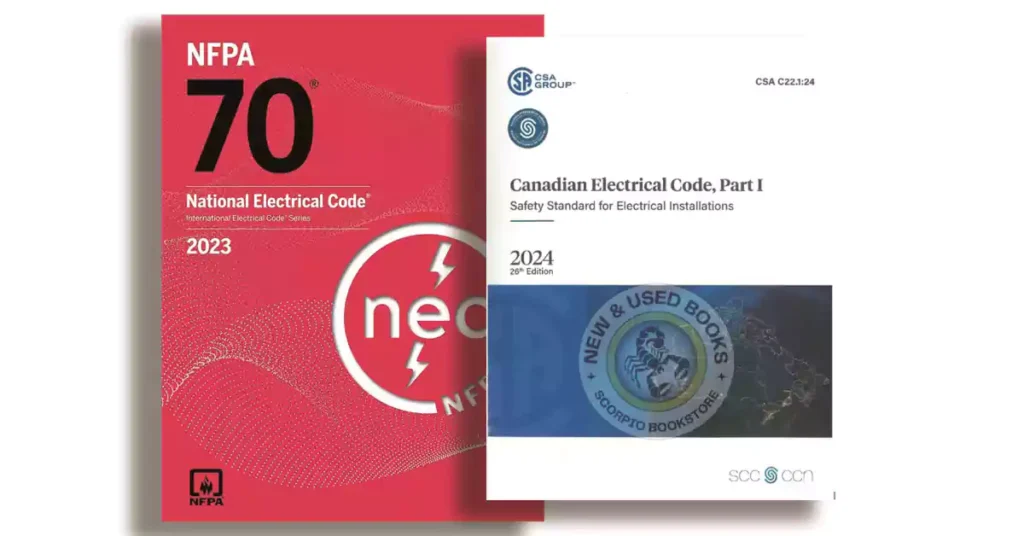
Lidar com instalações elétricas nos Estados Unidos e no Canadá exige uma compreensão abrangente de ambos os aspectos: Código Elétrico Nacional (NEC) e o Código Elétrico Canadense (CEC). Embora ambos os códigos visem garantir a segurança e a padronização, eles apresentam diferenças distintas que os profissionais devem reconhecer para garantir a conformidade em projetos transfronteiriços.
Visão geral do NEC e do CEC
O Código Elétrico Nacional (NEC, na sigla em inglês), desenvolvido pela Associação Nacional de Proteção contra Incêndios (NFPA, na sigla em inglês), serve como referência para o projeto, instalação e inspeção elétrica seguros nos Estados Unidos. Ele passa por revisões a cada três anos para incorporar avanços tecnológicos e novas preocupações com a segurança.
Por outro lado, o Código Elétrico Canadense (CEC), publicado pela Associação Canadense de Normas (CSA), rege as instalações elétricas no Canadá. Semelhante ao NEC, o CEC é atualizado a cada três anos, sendo a sua 26ª edição a mais recente, lançada em março de 2024.
8 diferenças entre NEC e CEC
Embora ambos os códigos compartilhem princípios fundamentais de segurança, existem várias diferenças importantes:
Padrões de tensão e frequência
NEC: Tensão residencial padrão: 120/240V monofásica e 60Hz.
Sistemas trifásicos: 208V, 240V, 480V.
CEC: Utiliza o mesmo padrão de 120/240V e 60Hz.
Sistemas trifásicos: 120/208V, 347/600V (comuns em ambientes industriais canadenses).
Classificação de locais perigosos
Tanto o NEC quanto o CEC permitem dois métodos de classificação para áreas classificadas: Classe e Divisão e Classe e Zona. No entanto, uma distinção fundamental é que o CEC exige o uso do sistema de Classe e Zona para todas as novas instalações, enquanto o NEC ainda permite o sistema de Classe e Divisão como alternativa. Essa mudança no CEC está alinhada com as normas internacionais IEC, melhorando a compatibilidade com os sistemas elétricos globais.
Limitação do disjuntor
O NEC restringe o número de dispositivos de proteção contra sobrecorrente a um máximo de 42 em um único quadro de distribuição, visando prevenir possíveis falhas catastróficas devido a surtos repentinos de sobrecarga. O CEC, no entanto, não impõe tal limite, confiando que um sistema instalado corretamente minimize o risco de todos os disjuntores dispararem simultaneamente. Essa flexibilidade permite sistemas elétricos mais extensos sem a necessidade de quadros de distribuição adicionais em instalações canadenses.
Ampacity Tables and Temperature Derating
NEC Approach: The NEC provides extensive ampacity tables, with separate sections for medium voltage and low voltage conductors. It also allows for temperature derating factors greater than 1 when ambient temperatures are cooler than reference values, enabling an increase in conductor ampacity.
CEC Approach: The CEC simplifies ampacity considerations by providing a single ampacity table for both low and medium voltage conductors above ground. However, it restricts temperature derating factors to a maximum of 1, meaning improvements in ampacity beyond CEC tables are not permitted.
Aterramento e ligação
NEC: Specifies standardized grounding methods and materials, emphasizing uniformity and safety.
CEC: Offers more flexibility in grounding methods, allowing adaptation to local practices as long as safety criteria are met. This flexibility can reduce installation costs and adapt to specific environmental conditions in Canada.
Conduit and Wiring Methods
NEC: Provides more options for conduit types and installation methods, including the use of flexible metal conduits in certain areas.
CEC: Places stricter requirements on conduit installations, especially in areas with high moisture or extreme temperatures, to ensure long-term durability and fire resistance.
Arc and Ground Fault Protection
NEC: Requires Arc Fault Circuit Interrupter (AFCI) protection for all bedroom circuits and certain living spaces.
CEC: Enforces similar requirements but extends AFCI protection to additional residential circuits, including kitchens and laundry rooms, for enhanced fire prevention.
Product Certification and Approval
NEC: Accepts equipment certified by UL (Underwriters Laboratories) or other nationally recognized testing laboratories.
CEC: Requires certification by CSA (Canadian Standards Association) or equivalent Canadian-recognized approval bodies.
Comparison Table: NEC vs. CEC
Comparison Table: NEC vs. CEC Code
Aspects | NEC (USA) | CEC (Canada) |
Voltages & Frequency | 120/240V, 60Hz | 120/240V, 60Hz |
Hazardous Location | Class & Division or Class & Zone (optional) | Class &Zone (mandatory for new installations) |
Circuit Breaker Limit | Max 42 devices per panel board | No limit |
Ampacity | Separate for low and medium voltage | One table for both |
Temperature Derating | Greater than 1 allowed | Limited to 1 |
Grounding & Bonding | Standardized methods | Flexible methods |
Arc Fault Protection | Bedrooms & some living spaces | Extended to kitchens and laundry rooms |
Certificação de Produto | UL | CSA |
Case Study: A U.S.-Canada Joint Venture Navigating Dual Compliance
A multinational data center project between a U.S. contractor and a Canadian electrical engineering firm faced challenges in meeting both NEC and CEC standards. The Canadian side required flexible grounding methods and stricter conduit installation for cold-weather environments, while the U.S. team focused on meeting NEC’s arc fault protection and circuit breaker limitations. By conducting pre-installation risk assessments, the teams successfully integrated CEC-compliant non-metallic conduits and NEC-standard AFCI devices, ensuring compliance with both codes and avoiding costly rework.
Practical Applications for Electrical Contractors & Manufacturers
A. Best Practices for Installation
1.Integrating Conduit Systems in Line with CEC Standards
- Use Approved Materials: Source wiring, conduits, and fittings that meet the CEC’s strict requirements to ensure compliance and enhance durability.
- Follow Updated Wiring Methods: Implement modern wiring techniques as outlined in the latest CEC edition to accommodate increased load demands and reduce fire hazards.
- Regular Training & Certification: Ensure technicians undergo continuous training and certification updates to stay informed about the latest CEC revisions.
- Documentation and Record Keeping: Maintain detailed documentation of all installations, permits, and inspection reports for regulatory compliance and future maintenance.
2. Importance of Using Approved Materials and Methods
- Certified Conduits and Fittings: Use CSA-certified rigid PVC conduits, EMT, or liquid-tight flexible conduits depending on the application.
- Proper Installation Techniques: Maintain appropriate clearances and secure conduit runs to prevent mechanical damage and corrosion.
- Regular Inspections and Testing: Conduct periodic testing for grounding resistance and insulation integrity.
B. Tools & Resources
1. Recommended Checklists and Guidelines
CEC Compliance Checklist for Electrical Installations
Conduit Sizing and Ampacity Calculation Tools
Grounding and Bonding Best Practice Guide
2.Downloadable Resources
Digital Checklists aligned with CEC standards
Mobile apps for quick reference to CEC guidelines
Online training courses from CSA and other accredited institutions
3. Online Platforms and Forums
Canadian Electrical Contractors Association (CECA)
Electrical Safety Authority (ESA) Resources
CEC Code Update Webinars
C. Real-World Examples
1. Case Study: Delta Conduit Manufacturing
Integrated the latest CEC guidelines into production processes.
Achieved a 15% reduction in installation errors.
Improved customer satisfaction due to enhanced product safety and durability.
“By aligning our manufacturing process with the latest CEC standards, we not only ensured safety but also gained a competitive edge in the market,” remarked Sarah Nguyen, Quality Assurance Manager at Delta Conduit Manufacturing.
2. Industrial Manufacturing Plant Upgrade
Upgraded electrical infrastructure using CSA-certified PVC conduit systems
Implemented flexible grounding methods to comply with CEC requirements.
Enhanced fire prevention with advanced AFCI protection.
3. Renewable Energy Solar Farm Project
Deployed heavy-duty corrugated conduits for underground cable routing.
Integrated proper bonding techniques for lightning protection.
Improved efficiency and safety with temperature-compliant ampacity calculations.
D. Video/Testimonial Section
Expert Interviews
Electrical engineers discussing successful CEC-compliant projects.
Insights from CSA certification experts on selecting approved materials.
Contractor Testimonials
Testimonials from contractors who achieved safety improvements and efficiency gains.
Demonstrations of proper conduit installation and grounding techniques.
Visual Demonstrations
Time-lapse footage of conduit system installations.
Safety inspections and testing procedures in action.
The Future of the CEC Code
A. Product Design
Material Innovation: Development of flame-retardant conduits, low smoke halogen-free materials, and corrosion-resistant coatings to meet evolving CEC standards.
Soluções sustentáveis: Incorporating eco-friendly and recyclable materials to align with green building initiatives.
Durability and Flexibility: Improved materials that withstand extreme temperatures and mechanical stress.
Soluções sustentáveis: Eco-friendly materials that align with green building standards.
B. Testing & Certification
CSA/UL Certification Processes: Ensuring compliance with rigorous testing for fire resistance, mechanical strength, and electrical insulation.
Advanced Testing Facilities: Utilizing high-voltage labs to simulate extreme conditions for medium and high-voltage conduit systems.
Continuous Audits and Quality Control: Regular inspections and material traceability to meet CEC’s evolving safety requirements.
C. Marketing Edges
Enhanced Product Credibility: Showcasing CEC compliance in product documentation.
Customer Assurance: Building trust with contractors and end-users through verified safety standards.
Global Market Access: Meeting international standards for export opportunities.
D. Emerging Applications
EV Charging Infrastructure: Designing high-durability conduit systems for Level 2 and DC fast chargers that meet CEC’s strict grounding and bonding requirements.
Centros de dados com IA: Implementing fire-resistant conduits and advanced cable management solutions to support high-power computing environments.
Smart Conduit Solutions: Integration of real-time monitoring and predictive maintenance capabilities.
How Ledes Provides Safety and Compliance Solutions
Sobre Ledes
Ledes is a global supplier of manufacturing electrical conduit systems and fittings that meet the highest safety and compliance standards. With a strong focus on innovation and quality, Ledes products are widely used across various industries, including renewable energy, data centers, and infrastructure projects. By adhering to both the Canadian Electrical Code (CEC) and the National Electrical Code (NEC), Ledes ensures optimal performance, durability, and safety in electrical installations.
Products that Compliant with CEC and NEC
CSA – approved rigid PVC conduit, DB2 rigid PVC conduit for direct burial applications, electrical non-metallic tubing, elbows and bends, couplings and other fittings.
UL – Listed Schedule 40 & 80 rigid PVC conduit, DB100, DB120 rigid PVC conduit, ENT, elbows, couplings, adapters, and electrical boxes such as slab boxes, wall boxes, gang boxes and conduit bodies etc.
Heavy duty and medium duty low smoke halogen free rigid conduit, corrugated conduit, fittings and electrical boxes.
Meet CEC and NEC fire safety standards.
Suitable for high-risk environments such as tunnels, transportation systems, and data centers.
Solar rigid PVC conduit, corrugated conduit, fittings and boxes.
Designed for high-voltage photovoltaic systems.
Meets both NEC grounding and bonding requirements and CEC flexibility standards.
Advantages of Ledes Products
CEC and NEC Dual Compliance: Ensuring compatibility for cross-border projects.
High Durability and Performance: Resistant to extreme temperatures, corrosion, and mechanical stress.
Advanced Fire Safety Features: LSZH materials minimize toxic emissions and prevent fire hazards.
Flexible Installation Solutions: Suitable for both aboveground and underground applications.
Sustainable and Eco-Friendly Materials: Supporting green energy initiatives and reducing carbon footprints.
Joint Projects
Metro Tunnel Project (Melbourne and Victoria, Australia)
The Metro Tunnel, formerly known as Melbourne Metro Rail (MMR), is an underground rapid transit project currently under construction in Melbourne, Victoria, Australia. The project involves the construction of twin 9-kilometre (5.6 mi) rail tunnels between South Kensington and South Yarra with five new underground stations. It aims to connect the Pakenham and Cranbourne lines with the Sunbury line, creating a new high-frequency cross-city line that bypasses Flinders Street station and the City Loop. The Metro Tunnel is equipped with high-capacity signaling and platform screen doors, a first for Melbourne.
Ledes' Low Smoke Halogen-Free (LSZH) conduit and fittings were selected for this project to enhance fire safety and ensure durability in the challenging underground environment. These conduits provide superior protection against fire hazards and reduce toxic emissions, aligning with the project’s high safety standards.
CHPE Project (New York to Canada)
The Champlain Hudson Power Express (CHPE) is a high-voltage direct current (HVDC) underwater and underground power cable project linking Quebec to the New York City neighborhood of Astoria, Queens. Developed by Transmission Developers Inc. (TDI), a Blackstone Group portfolio company, the project aims to carry clean energy, including hydropower and wind power from eastern Canada, directly to the New York City electricity market. Construction began in 2022, with completion expected by 2026. The estimated total cost is $4.5 billion USD.
Ledes' Schedule 40 PVC conduit and fittings were utilized in the CHPE project to protect electrical wiring and ensure long-term performance in the underground sections. The rigid PVC conduit’s durability, corrosion resistance, and compliance with NEC and CEC standards made it an ideal choice for this critical infrastructure project.
Customer Feedback
Electrical Contractors 1: “Ledes’ LSZH conduit systems significantly improved our project’s safety compliance and reduced installation time. Their products are fully certified for both Canadian and U.S. markets.”
Electrical Contractors 2: “We achieved seamless installation of solar conduits for our renewable energy project thanks to Ledes’ superior quality and compliance with CEC guidelines.”
Conclusão
To sum up, understanding and following the Canadian Electrical Code (CEC) is key to making any electrical work in Canada safe, modern, and reliable. This guide has highlighted the most important rules, new updates, and practical tips, so whether you are a professional or just starting out, you can avoid common mistakes and protect your projects and communities.
As you work to meet CEC standards, remember that using trusted materials and methods makes a big difference. At Ledes, we focus on producing safe and compliant PVC electrical conduit pipes and fittings that help your installations last longer and stay up to code. If you need advice or quality products for your next electrical project, our team is ready to support you.
Safe and smart electrical work not only protects people and property—it builds a better future for everyone. We hope this guide has helped you feel more confident and prepared for your next step in the world of Canadian electrical safety.
Frequently Asked Questions (FAQs):
How often is the CEC updated?
The Canadian Electrical Code (CEC) is updated every three years to reflect advancements in technology, safety standards, and industry best practices. The latest edition is 26 edition published in 2024 and by the Canadian Standards Association (CSA).
How does my province adopt the CEC?
Each province or territory in Canada adopts the CEC in its own way, often with specific amendments to meet local safety regulations and environmental conditions. For instance, British Columbia enforces the BC Electrical Code, which is based on the CEC but includes additional rules for seismic safety due to the region’s earthquake risk. Similarly, Quebec adopts the Quebec Construction Code, which integrates CEC standards with local French-language requirements and regional electrical practices.
How can electrical contractors ensure compliance?
Electrical contractors can ensure compliance with the Canadian Electrical Code (CEC) by following these steps:
- Mantenha-se atualizado: Regularly review the latest version of the CEC and understand any provincial amendments.
- Obtain Proper Training: Complete CSA-certified training programs to fully understand CEC requirements.
- Use Certified Materials: Install only CEC-compliant electrical conduits, fittings, and components that meet safety standards.
- Conduct Regular Inspections: Perform thorough inspections during and after installation to ensure code compliance.
- Work with Licensed Electricians: Hire certified professionals who are familiar with the CEC and local regulations.
- Maintain Proper Documentation: Keep accurate records of installation procedures and inspection reports for future reference.
- Consult Local Authorities: Communicate with electrical inspectors or regulatory bodies for clarification on specific code requirements.
What are the main changes in the 2025 Canadian Electrical Code (CEC)?
The 2025 CEC introduces updated requirements for renewable energy (especially solar PV and battery storage), improved safety for pools and healthcare facilities, clarified voltage drop calculations, new rapid shutdown for PV systems, and further integration with electric vehicle (EV) charging infrastructure. Enhanced fire and grounding standards are emphasized.
How do provinces and territories apply the CEC, and are there local differences?
While the CEC provides a national standard, each province and territory adopts the code with possible amendments. For example, the Ontario Electrical Safety Code integrates the CEC but includes additional provincial rules. Compliance must always be checked with the local authority having jurisdiction.
What are the most common reasons for failing an electrical inspection under the CEC?
Top causes include improper grounding/bonding, overloaded or undersized circuits, insufficient GFCI protection, incorrect conduit selection, and outdated documentation. Regular training, accurate load and voltage drop calculations, and use of certified materials can reduce violations.
How does the 2025 CEC address renewable energy systems and battery storage?
Section 64 details safe installation, grounding, protection, and emergency shutdown for solar, wind, and battery systems. The code now allows more flexible lithium battery solutions and the performance must be compliance the codes.
How are hazardous locations (fuel stations, hospitals, factories) treated differently in the CEC?
Sections 18–24 lay out strict equipment, bonding, enclosure, and wiring standards, requiring explosion-proof or weather-resistant materials, special labeling, and frequent inspections to protect against fire and explosion risk.
What is the process for ensuring a project is CEC compliant from start to finish?
- Study local amendments and the latest CEC edition.
- Use CEC-approved and certified equipment.
- Maintain documentation for all inspections and permits.
- Complete regular training.
- Consult local authorities for unique project guidance.
How does the CEC differ from the U.S. National Electrical Code for cross-border projects?
Key differences include Canada’s stricter conduit rules in harsh environments, unique approaches to hazardous location classification, and mandatory use of CSA-approved products rather than UL.
Why is the choice of conduit type so important in CEC-compliant installations?
Conduit type (PVC, HDPE, EMT, flexible, etc.) must match the environmental hazards (moisture, chemicals, vibration, underground use). The wrong choice can lead to failures, code violations, and safety risks. Always refer to CEC Table 19 and installation rules.
What resources help professionals stay current and compliant with the CEC?
The official CEC handbook, professional webinars (ESA, CSA), local training courses, digital checklists, and manufacturer technical support all help ensure contractors and designers remain fully up-to-date and compliant.
Referências:




 EN
EN  FR
FR  ES
ES  ES_MX
ES_MX  PT
PT  AR
AR  DE
DE  KO
KO  ZH
ZH