콘텐츠로 건너뛰기
목차
NEC 코드란 무엇인가요?
미국 전기 규격(NEC)은 미국에서 안전한 전기 설계, 설치 및 검사를 위한 기준이 되는 표준입니다. NEC는 주거, 상업 및 산업 현장의 거의 모든 전기 규정의 기초가 됩니다. 새집을 짓거나, 산업용 모터를 설치하거나, 태양광 발전 설비를 위한 전선관을 설치하는 등 어떤 작업을 하든 NEC는 사람과 재산을 전기 위험으로부터 보호하는 데 필요한 규칙을 제시합니다.
NEC는 공식적으로 NFPA 70으로 알려져 있으며, 화재 및 전기 위험 감소에 전념하는 비영리 단체인 미국화재방지협회(NFPA)에서 발행합니다. 1897년에 처음 도입된 이 규정은 전기 시스템의 발전과 함께 진화해 왔으며, 개정될 때마다 더욱 포괄적인 내용을 담고 있습니다.
NEC는 최신 기술과 안전 관행을 반영하기 위해 전기 기술자, 엔지니어, 검사관, 제조업체, 전력 회사 대표 및 안전 옹호자를 포함한 전문가 패널에 의해 3년마다 개정됩니다. 최신 버전은 주 및 지방 정부에서 채택되어 NEC는 미국 대부분 지역에서 법적으로 강제력을 갖는 표준이 됩니다.
NEC의 적용 범위는 넓지만 명확하게 정의되어 있습니다. 다음 사항들을 포함합니다:
- 전기 도체 및 장비 설치
- 전기 도관 및 전선관을 포함한 배선 방법
- 다양한 환경 및 용도에 따른 특별 고려 사항
요약하자면, NEC(미국 전기 규격)는 안전과 규정 준수를 보장하기 위해 전기 시스템을 어떻게 설치해야 하는지를 규정합니다.
전문가 팁: PVC 전선관에 대한 NEC 코드 요구 사항을 빠르게 이해하고 싶으신가요? 여기를 클릭하세요. PVC 전선관에 대한 NEC 규정의 전문가 의견.
NEC 코드의 목적과 의미
미국 전기 규격(NEC)의 핵심 목적은 안전을 확보하는 것입니다. NEC의 주된 목표는 감전, 화재, 아크 플래시, 장비 고장과 같은 전기적 위험으로부터 사람과 재산을 보호하는 것입니다. 이를 위해 NEC는 가정, 학교, 공장, 발전소 등 다양한 환경에서 전기 시스템을 안전하게 설치하기 위한 최소 요구 사항을 규정하고 있습니다.
NEC의 목적
NEC(미국 전기규격규제)는 과도한 규제가 아니라 최소한의 안전 기준을 제시하는 것입니다. NEC는 모든 면허 소지 전기 기술자와 검사관이 지역이나 프로젝트 유형에 관계없이 동일한 기본 규칙을 준수하도록 보장합니다. 이러한 기준을 준수함으로써 전기 전문가들은 치명적인 사고의 위험을 줄이고 장기적으로 시스템의 신뢰성을 확보할 수 있습니다.
NEC는 언뜻 보기에 복잡해 보일 수 있지만, 그 구조는 체계적이며 의도는 명확합니다.
“전기 사용으로 인해 발생하는 위험으로부터 인명과 재산을 실질적으로 보호하는 것.” (NEC 제90조 1항)
이 설명은 NEC의 사명을 요약한 것입니다. 전선관을 설치하든, 배전반을 설치하든, 조명 회로를 배선하든, NEC는 안전하게 작업을 수행하기 위한 명확한 기준을 제공합니다.
코드 언어 이해하기
NEC는 법적 및 기술적 효력을 갖는 특정 용어를 사용합니다. 이러한 용어를 이해하는 것은 코드를 올바르게 적용하는 데 핵심입니다.
“"일 것이다"” = 필수. 반드시 따라야 하는 요건.
“"해야 한다"” = 권장 사항. 강제 사항은 아니지만 모범 사례로 간주됩니다.
“"~일 수 있다" 또는 "허용된다"” = 선택 사항이거나 제한된 범위 내에서 허용됩니다.
예를 들어, "각 콘센트 박스에서 3피트 이내에 전선관을 지지해야 한다"는 것은 이 간격이 권장 사항이 아니라 필수 요구 사항임을 의미합니다.
NEC - 살아있는 문서
NEC는 새로운 기술, 개선된 재료, 안전 관련 연구 결과 및 업계 모범 사례를 반영하여 3년마다 개정됩니다. 각 개정판에는 다음과 같은 실제 피드백과 혁신을 기반으로 한 변경 사항이 포함됩니다.
- 통합 태양광 발전(PV) 시스템
- 규칙 전기차 충전소
- 표준 저전압 및 스마트 시스템
이러한 지속적인 발전 덕분에 NEC는 단순히 고정된 규칙서가 아닙니다. NEC는 사람들의 안전을 지키는 본연의 사명을 유지하면서도 현대의 요구에 맞춰 끊임없이 진화하는 살아있는 문서입니다.
NEC가 규정하는 사항을 기억하는 것이 중요합니다. 최소 허용 기준. 많은 경우, 특히 중요 시설이나 열악한 환경에서는 안전성, 수명 또는 성능 향상을 위해 모범 사례 또는 엔지니어링 사양이 이러한 요구 사항을 초과할 수 있습니다.
NEC 코드의 주요 조항
미국 전기 규격(NEC)은 여러 조항으로 구성되어 있으며, 각 조항은 전기 시스템의 특정 측면에 초점을 맞추고 있습니다. NEC는 수백 페이지에 달하는 방대한 분량과 수많은 규정을 담고 있지만, 핵심 조항들은 거의 모든 프로젝트 또는 설치 유형에 공통적으로 적용됩니다. 이러한 핵심 조항들을 이해하는 것은 규격 준수와 안전한 전기 설계의 기반을 마련해 줍니다.
제1장 - 전기 설비에 대한 일반 요구 사항
미국 전기 규격(NEC) 제1장은 전체 규격의 구조적 및 정의적 기반을 형성합니다. 여기에는 주요 용어를 정의하고 모든 전기 시스템의 기본 설치 요구 사항을 규정하는 제100조와 제110조가 포함됩니다. 이러한 일반 조항은 주거용, 상업용, 산업용 및 특수 목적 시설 전반에 걸쳐 적용됩니다.
제110조는 모든 전기 장비 및 설치 조건에 대한 일반 요구 사항을 규정합니다. 기계적 무결성, 정격 전압, 환경 적합성, 접근성 및 이격 거리와 같은 중요한 영역을 다룹니다. 주요 내용은 다음과 같습니다.
수정 사항 및 사용 가능한 단락 전류
가장 중요한 업데이트 중 하나는 다음과 같습니다. 제110.24(B)조, 이는 시스템 수정 사항을 직접적으로 다룹니다.
전기 설비를 변경하여 해당 설비의 누전 차단 전류에 영향을 미치는 경우 다음 사항을 준수해야 합니다.
- 사용 가능한 단락 전류를 검증하거나 재계산해야 합니다.
- 서비스 장비는 회선 단자에서 발생하는 고장 전류를 처리할 수 있도록 적절한 정격 용량을 갖춰야 합니다.
- 현장 표시는 새로 측정된 단락 전류를 반영하여 업데이트해야 합니다(일부 경우에는 업데이트가 필요하지 않으며, 제110.24조를 참조하십시오).
이는 장비 정격이 변화하는 부하 및 고장 조건에 맞춰 유지되도록 설계된 안전에 매우 중요한 규칙입니다. 시스템의 단락 전류가 증가하고 패널이 업데이트되거나 재표시되지 않으면 치명적인 고장 위험이 증가합니다.
여유 공간 및 작업 공간
규정은 전기 패널 및 장비 주변의 최소 작업 공간 치수를 명시하고 있습니다.
- 패널 앞쪽에는 최소 3피트(전압에 따라 다름)의 깊이가 필요합니다.
- 작업 공간은 깨끗하고 접근성이 좋으며 적절한 조명이 확보되어야 합니다.
- 이 구역에는 배관이나 외부 설비가 침입해서는 안 됩니다.
이러한 허가는 담당자의 안전한 작업 및 유지보수를 보장합니다.
라벨링 및 식별
차단기는 명확하게 표시되어야 합니다.
장비에는 전압, 전류, 와트 또는 기타 정격을 나타내는 표시가 있어야 합니다.
필요한 경우, 현장에서 부착하는 위험 표시는 내구성이 있고, 눈에 잘 띄며, 영구적이어야 합니다.
환경 등급
장비는 설치 환경에 적합해야 합니다. 예를 들면 다음과 같습니다.
실내용 장비는 NEMA 인증을 받아 실외에서 사용할 수 있는 경우에만 실외에 설치할 수 있습니다.
습기가 많은 장소에서는 방수형 외함과 전선관 부속품을 사용해야 합니다.
전선관 및 부속품은 설치 위치에 따라 부식, 자외선 및 온도 변화에 대한 내성이 있어야 합니다.
제2장 – 배선 및 보호
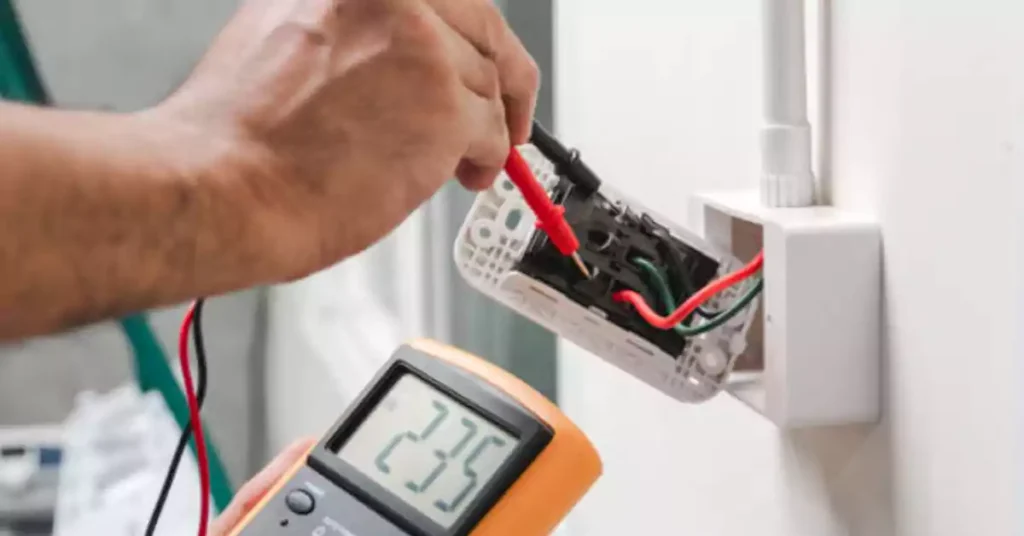
미국 전기 규격(NEC) 제2장은 전기 안전에 있어 가장 중요한 부분 중 하나입니다. 이 장에서는 전기 도체와 회로의 적절한 식별, 배치 및 보호에 대한 포괄적인 요구 사항을 제시합니다. 이 장의 주요 목표는 모든 배선 시스템이 기능적일 뿐만 아니라 감전, 과열, 화재 및 단락과 같은 위험으로부터 안전하도록 보장하는 것입니다.
분기 회로에 대하여
제210조 - 교류 1000볼트 이하 또는 직류 1500볼트 이하의 회로
전압 및 도체 식별에 대한 일반 규칙: 60볼트 이상의 직류 분기 회로의 경우, 도체는 빨간색 또는 검은색 외부 마감재나 영구 라벨과 같은 승인된 방법을 사용하여 극성을 명확하게 표시해야 합니다.
GFCI 보호 요구사항: GFCI(누전 차단기) 보호 장치는 습기가 많거나 물과 직접 접촉하기 쉬운 장소의 콘센트에 의무적으로 설치해야 합니다. 이러한 장소에는 주방, 욕실, 옥상, 지하실, 세탁실 및 산업용 수처리 환경이 포함됩니다. 산업 실험실, 제설 시스템 또는 의료 시설과 같은 특수한 경우에는 예외가 적용됩니다.
직류 시스템의 분기 회로: 도체는 모든 종단부, 연결부 및 접합부에 표시해야 하며, 특히 크기(4 AWG 이상 또는 이하) 및 극성 표시에 유의해야 합니다.
제235조 – 1000볼트 초과 분기 회로
제235조는 교류 1000볼트 또는 직류 1500볼트를 초과하는 회로에 대해 제210조를 보완합니다. 제210.3조와 마찬가지로, 제235조에는 추가적인 보호 요구사항이 적용되는 특정 장비(예: 모터, 버스웨이, HVAC 시스템)를 참조하는 표 235.3이 포함되어 있습니다.
감독 설치
고전압 환경에서 분기 회로 도체의 크기는 엔지니어링 전문가의 지도 하에 결정될 수 있습니다. 감독 하에 설치되는 설비는 다음 두 가지 조건을 모두 충족해야 합니다.
- 설계 및 설치는 엔지니어 감독하에 진행됩니다.
- 고전압 시스템에 대한 실무 경험을 보유한 숙련된 인력이 유지보수 및 서비스를 수행합니다.
이 조항은 고급 시스템을 간소화하는 동시에 자격을 갖춘 전문가만이 설계 및 유지 관리를 담당하도록 보장합니다.
과전류 보호
과전류 보호는 과부하, 단락 및 접지 오류로 인한 손상을 방지하는 데 필수적입니다. NEC 제240조는 다음과 같은 세부 규정을 명시하고 있습니다.
보호 장치 및 접근성
회로 차단기 및 퓨즈 스위치는 쉽게 접근할 수 있어야 하며, 손잡이 높이는 2.0m(6피트 7인치)를 초과해서는 안 됩니다. 단, 버스웨이, 위험물 보관소 또는 휴대용 장비 접근이 허용되는 경우와 같이 특정 예외 사항이 적용되는 경우는 예외입니다.
다중선 분기 회로
단상 선간 부하에 전력을 공급하는 다중선 회로의 경우, 각 접지되지 않은 도체를 보호하고 동시 차단을 보장하기 위해 핸들 타이가 있는 개별 단극 차단기를 사용할 수 있습니다.
탭 컨덕터
무제한 길이의 외부 탭(240.21(B)(5)): NEC는 물리적 손상으로부터의 보호, 단일 과전류 장치에 종단, 도체 입구에 가장 가까운 쉽게 접근 가능한 위치에 차단 수단 배치 등 엄격한 조건을 충족하는 경우 무제한 길이의 외부 탭 도체를 허용합니다.
호환되지 않는 퓨즈
S형 퓨즈는 정격 용량이 낮은 퓨즈와의 호환성을 방지하도록 설계되어, 적절한 정격 용량의 퓨즈만 설치되도록 함으로써 시스템 안전성을 향상시킵니다.
변압기 2차 도체 보호
변압기 2차 도체의 과전류 보호는 변압기 구성에 따라 다릅니다. 단상 2선식 또는 3선식 델타-델타와 같은 특정 구성은 450.3 규정 및 허용 전류 제한 조건을 충족하는 경우 1차 OCPD를 통해 보호될 수 있습니다.
재정비된 장비
저전압 전력 회로 차단기 및 전기기계식 릴레이와 같은 특정 과전류 보호 장치는 재정비될 수 있지만 110.21(A)(2)를 준수하기 위해 재정비된 것으로 목록에 기재되고 그에 따라 표시되어야 합니다.
과전압 보호
과전압 보호는 낙뢰, 전력망 전환 또는 시스템 내부 결함으로 인한 과도 전압 서지로부터 전기 시스템을 보호하는 데 매우 중요합니다. 미국 전기 규격(NEC) 제2장 제242조에서는 서지 보호 장치(SPD) 및 서지 피뢰기의 일반 및 설치 요구 사항을 규정하고 있으며, 과전압 보호에 대해 다루고 있습니다.
제242조는 저전압 및 고전압 서지 보호에 관한 내용을 다룹니다.
- 제2부에서는 정격 전압이 1000볼트를 초과하지 않는 구내 배선 시스템에 영구적으로 설치되는 SPD(방전 보호 장치)에 대해 규정합니다.
- 제3부에서는 정격 전압이 1000볼트 이상인 구내 시스템에 설치된 서지 보호기에 대해 다룹니다.
서지 보호 장치 및 서지 보호기의 요구 사항
재정비 금지(242.2): 신뢰성과 안전성을 보장하기 위해 서지 보호 장치(SPD) 및 서지 보호기는 재정비가 허용되지 않습니다. 항상 원래 제조 및 인증된 대로 사용해야 합니다.
접지 요구사항(242.32): SPD 접지 연결은 접지 전극 시스템에 적절하게 접합되도록 제250조 제3항을 준수해야 합니다. 접지 전극 도체를 금속 외함에 설치하는 경우, 적절한 접합 및 물리적 손상 방지와 같은 제250.64(E)항에 명시된 특정 조건을 충족해야 합니다.
구성 요소 SPD(242.18)에 대한 제조업체 설치: 4형 서지 보호기(SPD) 및 기타 구성 요소형 서지 보호 장치는 현장 설치용이 아닙니다. 이러한 장치는 장비에 통합되는 제품이므로 반드시 장비 제조업체에서만 설치해야 하며, 독립형 현장 설치 제품이 아닙니다.
접지 및 본딩
접지 및 본딩은 전기 시스템의 안전하고 신뢰할 수 있는 작동을 위한 기본 요소입니다. 미국 전기 규격(NEC) 제2장, 특히 제250조는 전기 시스템이 감전, 화재 및 장비 손상으로부터 사람과 재산을 보호하는 방식으로 접지 및 본딩되도록 보장하기 위한 성능 및 규정 요구 사항을 명시하고 있습니다.
목적 및 일반 요건
접지 및 유대감 형성의 일반적인 목표는 다음과 같습니다.
제한 전압 낙뢰, 전압 서지 또는 고전압선과의 우발적인 접촉으로 인해 발생합니다.
전압 안정화 정상 작동 중에는 접지됩니다.
낮은 임피던스 경로를 구축하십시오 지락 사고 발생 시 과전류 보호 장치의 작동을 용이하게 하기 위함입니다.
5가지 주요 성능 요구 사항
- 전기 시스템 접지: 접지 시스템은 전압 서지를 제한하고 전압을 안정화하는 방식으로 접지에 연결해야 합니다. 미국 전기 규격(NEC)은 접지 전극 도체의 길이를 최소화하고 불필요한 굽힘이나 고리를 피하도록 강조합니다.
- 전기 장비 접지: 전류가 흐르지 않는 전도성 부품(예: 금속 외함)은 해당 재료에 걸리는 전압을 제한하기 위해 접지해야 합니다.
- 전기 장비 접지: 도체를 둘러싸는 모든 전도성 부품은 연속적이고 효과적인 고장 전류 경로를 형성하기 위해 서로 연결되고 전원 시스템 접지에도 연결되어야 합니다.
- 전도성 재료와 기타 장비의 접합: 전기가 통할 가능성이 있는 전도성 물질(예: 배관, 구조용 강철)은 접지 시스템에 연결해야 합니다.
- 유효 접지 누전 전류 경로: 접지 및 본딩 도체는 고장 전류를 안전하게 전달할 수 있는 연속적인 저임피던스 회로를 형성해야 합니다. 특히, 땅은 효과적인 지락 고장 전류 경로로 간주되지 않습니다.
교류 시스템의 접지 요구 사항
대부분의 교류 시스템에서는 시스템 전압 및 구성에 따라 접지가 필요합니다.
50V 미만 시스템 다음과 같은 경우 접지해야 합니다:
1차측 전압이 접지 기준으로 150V를 초과하는 변압기에서 공급됩니다.
이 시스템은 접지되어 있지 않습니다.
옥외에 가공 전선으로 설치됩니다.
50V~1000V 시스템 다음과 같은 경우 접지해야 합니다:
어떤 도체든 접지 전압이 150V를 초과합니다.
이 시스템은 3상 4선식 Y결선 방식이며, 중성선이 회로 도체로 사용됩니다.
이 시스템은 3상 4선식 델타 결선 방식이며, 중간 지점이 회로 도체로 사용됩니다.
이러한 조건을 충족하지 않는 시스템은 접지 없이 작동할 수 있지만, 관련 NEC 안전 및 유지보수 표준을 준수해야 합니다.
접지 시 특별 고려 사항
임피던스 접지 시스템: 이러한 장치는 저항기 또는 리액터를 사용하여 고장 전류를 제한하는 250.36 또는 250.187의 특정 요구 사항을 준수해야 합니다.
옥외 변압기: 변압기가 옥외에 설치되는 경우, 임피던스 접지 시스템을 제외하고 변압기 또는 다른 옥외 위치에 최소 하나 이상의 추가 접지 전극 연결이 필요합니다.
별도로 도출된 시스템: 변압기와 같은 이러한 시스템은 자체 접지 전극 연결이 필요하며 접지 및 도체 크기에 대한 자세한 규칙을 따라야 합니다.
접지 전극 시스템: 존재하는 모든 접지 전극은 접지봉, 접지판, 콘크리트 매립 전극 및 건물 철골을 포함하여 접지 전극 시스템을 구성하기 위해 서로 접합되어야 합니다.
서비스 보증: 서비스 도체를 위한 금속 외함과 전선관은 전원까지 연속적인 경로를 제공하기 위해 접지되어야 합니다.
제3장 – 배선 방법 및 재료
미국 전기규격 ...
NEC(미국 전기 규격) 제300조는 보다 구체적인 조항에 의해 수정되지 않는 한 모든 배선 방식에 대한 기본 규칙을 제공합니다. 이 조항은 전선관, 케이블 조립체, 외함, 박스 및 도체 설치에 적용됩니다. 제300조는 안전성, 접근성, 내구성 및 다른 시스템과의 적절한 이격 거리를 강조합니다. 다음은 이 장의 주요 내용입니다.
주요 조항
- 기계적 보호: 전선과 케이블은 물리적 손상으로부터 보호되어야 합니다. 예를 들어, 금속 스터드나 프레임을 통과하는 부분에는 부싱이나 그로밋을 사용해야 합니다.
- 다른 시스템과의 간격: 전기 배선관에는 다른 유형의 시스템(예: 배관, 가스 배관)을 포함할 수 없습니다.
- 업무 공간 및 접근성: 콘센트와 접속함에는 전선 접합 또는 종단 처리를 위해 충분한 길이(최소 6인치)의 전선이 확보되어 있어야 합니다.
- 부식성 및 습한 환경: 배선 방식은 습하거나 부식성 환경(예: 내식성 부속품이 있는 PVC 전선관)에서 사용하기에 적합한 것으로 인증되어야 합니다.
- 레이스웨이 충진재 및 굽힘 반경: 전선관에 전선을 과도하게 채우는 것은 금지되어 있으며, 절연체 손상을 방지하기 위해 전선에는 충분한 굽힘 공간이 있어야 합니다.
- 화재 차단: 내화 구조물을 관통하는 전선관이나 케이블 주변의 개구부는 화재 확산을 방지하기 위해 방화 처리되어야 합니다.
전문가 팁: 두 가지 일반적인 배선 방법을 알고 싶으신가요? 이전 글에서 자세히 설명해 드렸습니다. 매립형 전선관 배선 그리고 표면 전선관 배선. 위의 텍스트를 클릭하시면 장점과 단점, 설치 방법에 대해 자세히 알아보실 수 있습니다.
일반 배선용 도체
제310조는 주거용, 상업용 및 산업용 시스템의 대부분의 배선 설비에 사용되는 전기 도체의 종류, 특성 및 정격을 규정합니다.
이 책은 다음 내용을 다루었습니다:
- 도체 종류: 단선 또는 연선 구리, 알루미늄 또는 구리 피복 알루미늄 도체를 사용할 수 있습니다.
- 단열재 종류: 일반적인 단열재 유형은 다음과 같습니다.
THHN/THWN-2: 건조한 곳과 습한 곳 모두에서 최대 90°C까지 사용 가능
XHHW/XHHW-2: 습기 및 열에 강함
USE-2/RHH/RHW-2: 지하 및 서비스 출입구 이용
- 허용 전류량: 도체의 허용 전류 용량(전류 전달 용량)은 다음을 기준으로 정의됩니다.
도체 크기
절연 온도 등급
주변 온도
전선관 내 전류 전달 도체의 수
- 정격 전압: 도체는 최대 전압(예: 600V, 1kV)으로 표시됩니다.
- 병렬 도체: 굵은 도체(1/0 AWG 이상)의 경우, 더 높은 전류 용량을 얻기 위해 여러 도체를 병렬로 연결할 수 있습니다.
제342조부터 제362조까지 – 전선관 및 튜브 종류
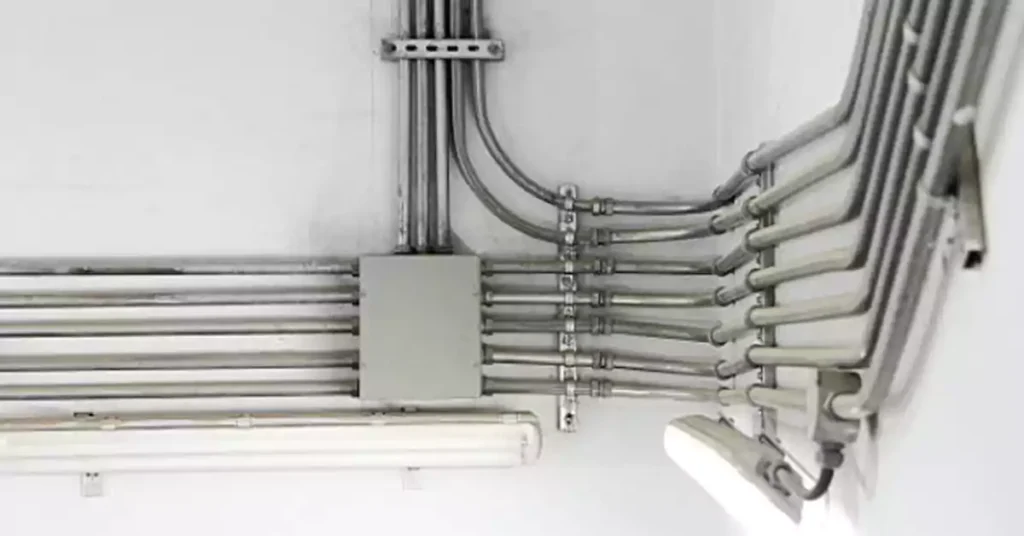
NEC(미국 전기 규격)는 재질, 구조 및 용도에 따라 각 전선관 시스템에 대한 개별 조항을 제공합니다. 이러한 전선관은 도체를 물리적으로 보호하고 접지 연속성을 유지하며 제300조를 준수하여 도체 배선을 가능하게 하는 데 사용됩니다.
다음은 NEC 규정에 따른 7가지 유형의 전선관입니다.
중간 금속 도관(IMC)
IMC는 강성 금속 전선관(RMC)보다 벽 두께가 얇지만 유사한 기계적 보호 기능을 제공하는 강철 전선관입니다. 부식 방지를 위해 아연 도금 처리되었으며 노출된 장소, 은폐된 장소 및 위험 지역에서 사용하도록 승인되었습니다. IMC는 강도가 요구되지만 무게와 비용이 중요한 고려 사항인 옥외 또는 산업 현장에서 널리 사용됩니다.
강성 금속 도관(RMC)
RMC는 아연 도금 강판 또는 스테인리스강으로 제작되는 가장 무겁고 견고한 금속 전선관입니다. 최대의 물리적 보호를 위해 설계되었으며 노출된 장소 및 지하를 포함한 모든 환경에 설치할 수 있습니다. RMC는 중요 기반 시설, 석유화학 공장 또는 기계적 충격이나 심각한 부식에 노출될 수 있는 지역과 같은 고위험 지역에서 자주 사용됩니다.
경질 폴리염화비닐(PVC) 전선관
경질 PVC 도관 PVC 전선관은 플라스틱으로 만들어진 비금속 전선관으로 습기와 부식에 강합니다. 가볍고 절단이 용이하며 지하 설치, 습한 환경, 하수 처리장이나 해안 지역과 같은 부식성 환경에 적합합니다. PVC 전선관은 온도 변화에 노출될 경우 팽창 이음쇠와 함께 사용해야 하며, 일반적으로 용제 접착제를 사용하여 접합합니다.
고밀도 폴리에틸렌 전선관(HDPE)
HDPE 전선관은 뛰어난 내충격성과 유연성을 지닌 유연한 비금속 전선관입니다. 주로 지하 전력 및 통신 시스템, 특히 방향성 천공 설치에 사용됩니다. HDPE는 이음매를 최소화하면서 긴 구간을 연속적으로 설치할 수 있어 대규모 공공시설 및 인프라 프로젝트에 효율적입니다.
전기 금속 튜브(EMT)
일반적으로 "얇은 벽" 전선관으로 불리는 EMT는 아연 도금 강판 또는 알루미늄으로 만들어지며 IMC 및 RMC보다 가볍습니다. 상업용 건물, 특히 적당한 보호만으로도 충분한 실내 벽 및 천장에 널리 사용됩니다. EMT는 기계적으로 고정해야 하며 압축 또는 나사식 연결구를 사용하여 연결합니다. 추가 보호 장치 없이 직접 매설하거나 부식성 환경에는 사용할 수 없습니다.
유연한 금속 튜브(FMT)
FMT는 나선형으로 감긴 금속 튜브로, 짧고 복잡한 배선 경로에 유연성을 제공합니다. 진동, 움직임 또는 공간 제약으로 인해 경질 전선관을 사용하기 어려운 상황에서 사용됩니다. 일반적인 적용 분야로는 조명기구 연결선, 모터 연결부 및 밀폐된 공간 등이 있습니다. 습기가 많거나 위험한 장소에는 적합하지 않으며, 특별히 허가된 경우에만 사용할 수 있습니다.
전기 비금속 튜브(ENT)
이비인후과 ENT는 빠른 설치가 중요한 실내 용도에 사용되는 주름진 형태의 유연한 플라스틱 튜브입니다. 가볍고 비금속 재질이며 손으로 구부릴 수 있어 주거용 또는 상업용 건물의 벽, 바닥, 천장에 사용하기에 이상적입니다. ENT는 적절한 부속품 및 박스와 함께 사용하면 내화 구조물에 일반적으로 사용되며, 슬래브 온 그레이드 또는 타설 콘크리트 구조물의 설치를 간소화합니다.
전선관 설치에 대한 일반 요구 사항:
특정 간격으로 단단히 고정하고 지지해야 합니다.
전선을 보호하려면 적절한 부싱이나 부속품을 사용해야 합니다.
전선관은 날카로운 모서리가 없어야 하며 습기나 가스 유입을 방지하기 위해 필요한 부분은 밀봉되어야 합니다.
온도 변화에 노출되는 긴 옥외 배관(예: PVC 전선관)에는 팽창 이음쇠가 필요합니다.
각 전선관 유형은 NEC(미국 전기 규격)의 특정 설치 규칙을 준수해야 하므로 배선 시스템이 보호되고 안전하며 규정을 준수하도록 보장합니다. 올바른 전선관 유형을 선택하면 전기 시스템의 무결성을 유지할 뿐만 아니라 다양한 환경 조건에서도 안전을 확보할 수 있습니다.
참고사항: PVC 전선관 설치에 대한 자세한 내용을 알고 싶으신가요? PVC 전선관 설치에 대한 전문가 팁을 보려면 여기를 클릭하십시오.
제392조 - 케이블 트레이
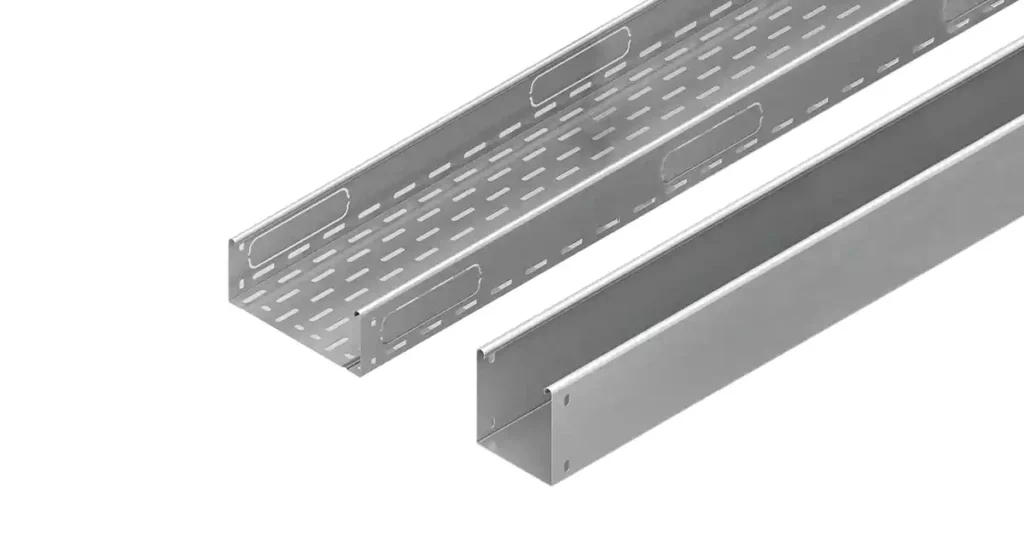
케이블 트레이는 산업 및 상업 환경에서 케이블을 배선하고 지지하기 위한 구조적 지지 시스템입니다. 제392조는 사다리형, 통풍형 트로프형, 솔리드 바텀형 및 와이어 메쉬형 트레이를 포함한 케이블 트레이 시스템의 설계, 설치 및 사용에 대해 다룹니다.
케이블 트레이의 종류
사다리 트레이: 개방형 구조로 공기 순환이 가능하고 케이블을 쉽게 넣고 뺄 수 있습니다.
통풍식 홈통: 중간 정도의 지지력과 공기 흐름을 위한 부분 밀폐 구조.
바닥이 견고한 트레이: 완전히 밀폐되어 있으며, 기계적 보호가 가장 중요한 경우에 사용됩니다.
철망/바구니 트레이: 가볍고 설치가 빠르며 제어 및 데이터 케이블에 적합합니다.
케이블 트레이에 대한 NEC 요구 사항
허용 전류 조정: 트레이에 설치된 케이블은 적재량 및 환기량에 따라 허용 전류량을 낮춰야 할 수 있습니다.
채우기 계산: 트레이 적재 한도는 케이블 종류와 크기에 따라 다르며, 과도하게 적재하면 열 방출이 저하될 수 있습니다.
접지: 금속 트레이는 인증을 받고 적절하게 접합된 경우 장비 접지 도체(EGC)로 사용할 수 있습니다.
지지대 간격: 쟁반이 처지거나 손상되는 것을 방지하기 위해 일정한 간격으로 지지대를 설치해야 합니다.
전문가 팁: 전선관과 트렁킹 중에서 어떤 것을 선택해야 할지 고민이신가요? 걱정하지 마세요. 이 글을 읽으시면 빠르게 답을 찾으실 수 있습니다. 전선관과 트렁킹의 차이점을 이해하십시오., 각각의 장단점도 함께 설명하여 여러분이 적합한 제품을 선택하는 데 도움을 드리고자 합니다.
제5장 - 특수 용도 건물
미국 전기 규격(NEC) 제5장은 특수 용도 시설, 즉 기능, 내용물 또는 환경으로 인해 전기 설비에 있어 특별한 어려움을 야기하는 장소 및 구조물에 초점을 맞추고 있습니다. 제5장에서는 위험 시설, 의료 시설, 농업 시설, 이동식 시설 및 레크리에이션 시설 등 특수 용도 시설의 요구 사항을 충족하기 위해 일반 규정을 수정합니다.
위험 지역(기밀 지역)
위험 지역이란 가연성 가스, 증기, 분진 또는 섬유가 화재나 폭발의 위험을 초래할 만큼 충분한 양으로 존재할 수 있는 지역을 말합니다. 미국 전기 규격(NEC)은 위험 유형에 따라 등급, 구분 및 그룹 시스템 또는 구역 시스템을 사용하여 이러한 지역을 분류합니다.
- 일반적인 설치 장소로는 화학 공장, 연료 저장 구역, 제분소 및 스프레이 마감 작업장 등이 있습니다.
- 승인된 배선 방법에는 방폭형 외함, 밀폐 장치, 그리고 특수 부속품을 사용하는 RMC, IMC, PVC 유형과 같은 특정 전선관 시스템 사용이 포함됩니다.
- 장비는 해당 환경에 적합하게 목록화되고 라벨이 부착되어야 하며, 설치 기술은 유해 물질이 배선 시스템으로 유입되는 것을 최소화해야 합니다.
의료 시설
의료 시설은 전기적 신뢰성과 환자 안전에 있어 생명과 직결되는 중요한 요구를 가지고 있습니다. 제517조는 병원, 요양원, 진료소 및 이와 유사한 환경을 포괄합니다.
- 이 책은 생명 안전, 중요 설비 및 장비 분기 회로를 포함하는 필수 전기 시스템을 소개하며, 각 시스템에는 특정 설치 및 분리 요구 사항이 있습니다.
- 배선은 전기적 고장, 의료 장비와의 간섭 및 화재 위험을 줄여야 합니다.
- 접지, 이중화, 절연 전력 시스템 및 전선관 유형에 대한 요구 사항은 성능 및 규정 준수를 유지하기 위해 정확하게 정의되어 있습니다.
농업 건물
제547조는 높은 습도, 먼지, 암모니아와 같은 부식성 물질로 인해 일반 배선이 손상될 수 있는 농업 및 축산 환경의 전기 시스템에 적용됩니다.
- 배선은 PVC 코팅 또는 비금속 재질과 같은 내식성 전선관 및 부속품을 사용하여 물리적 손상 및 부식성 노출로부터 보호해야 합니다.
- 접지 및 본딩 시스템은 가축에게 해를 끼칠 수 있는 전압 차이를 최소화해야 합니다.
- 이 기사에서는 또한 동물 사육 시설 및 작물 생산 공간에 조명, 콘센트 및 장비 제어 장치를 설치하는 것에 대해서도 다룹니다.
조립식 건물 및 이동식 주택
이 글들은 조립식 주택, 이동식 주택, 모듈식 건물, 이동식 주택 단지와 같은 공장 제작 구조물의 전기 요구 사항을 다룹니다.
Electrical systems must allow safe and standardized connection to utility services.
Requirements include overcurrent protection, proper grounding, and use of approved flexible connections.
Parks and lots must provide weather-resistant and easily accessible service equipment, ensuring safe occupancy transitions.
Recreational Vehicles and Parks
These sections provide guidelines for recreational vehicles (RVs) and the facilities that serve them.
Wiring in RVs must be compact, safe, and protected from vibration and movement.
RV parks must provide power distribution systems with listed power outlets, overcurrent protection, and grounding suitable for mobile connections.
All components must be weatherproof and tamper-resistant when installed in outdoor settings.
Chapter 5 plays a critical role in ensuring that electrical installations remain safe, code-compliant, and functional in non-standard environments, above are just part of them. It recognizes that certain occupancies present elevated risks, such as explosion, equipment failure, or life safety threats—that demand specialized materials, installation methods, and protective measures.
Chapter 6 - Special Equipment
Chapter 6 of the National Electrical Code (NEC) addresses Special Equipment — a vital section that sets the safety and installation standards for emerging technologies and specialized systems. With rapid growth in electric vehicles, renewable energy, and modular data centers, this chapter is more relevant than ever. Below is an introduction to four important articles within Chapter 6:
Article 625 - Electric Vehicle Power Transfer Systems
Article 625 covers the installation and safety requirements for electric vehicle (EV) charging systems, including conductive, inductive, and wireless power transfer methods. It addresses equipment such as electric vehicle supply equipment (EVSE), connectors, and associated wiring. Key provisions include:
Scope: Applies to electrical conductors and equipment connecting an EV to premises wiring for charging, power export, or bidirectional current flow.
Equipment Requirements: EVSE must be listed or labeled for the application.
과전류 보호: Charging equipment is considered a continuous load; overcurrent protection must be sized accordingly.
Personnel Protection: Requirements for personnel protection systems, such as ground-fault circuit-interrupter (GFCI) protection.
Installation Guidelines: Specifications for cord and cable assemblies, including length and construction.
Location Considerations: Installation guidelines for indoor and outdoor locations, considering factors like ventilation and accessibility.
참고사항: Want to know more about EV Charging Systems Codes? We listed four international standards for EV Charging Stations in our previous post, and you can click on the text above to read.
Article 646 – Modular Data Centers
Article 646 provides requirements for modular data centers (MDCs), which are prefabricated units housing information technology equipment and support systems. These units are rated 600 volts or less and include components like electrical service distribution equipment and HVAC systems. Key considerations include:
Definition: MDCs are prefabricated units consisting of an outer enclosure housing multiple racks or cabinets of IT equipment and various support equipment.
Listing and Labeling: MDCs must be listed and labeled for their intended use.
Working Space: Compliance with working space requirements to ensure safety during maintenance and operation.
Wiring and Grounding: Adherence to wiring methods and grounding practices suitable for the modular nature of these facilities.
전문가 팁: Want to know more about the types of electrical conduits and their applications in data centers? We have explained in detail the importance of electrical conduits and their applications in data centers in our last post. You can click on the text above to read more.
Article 690 - Solar Photovoltaic (PV) Systems
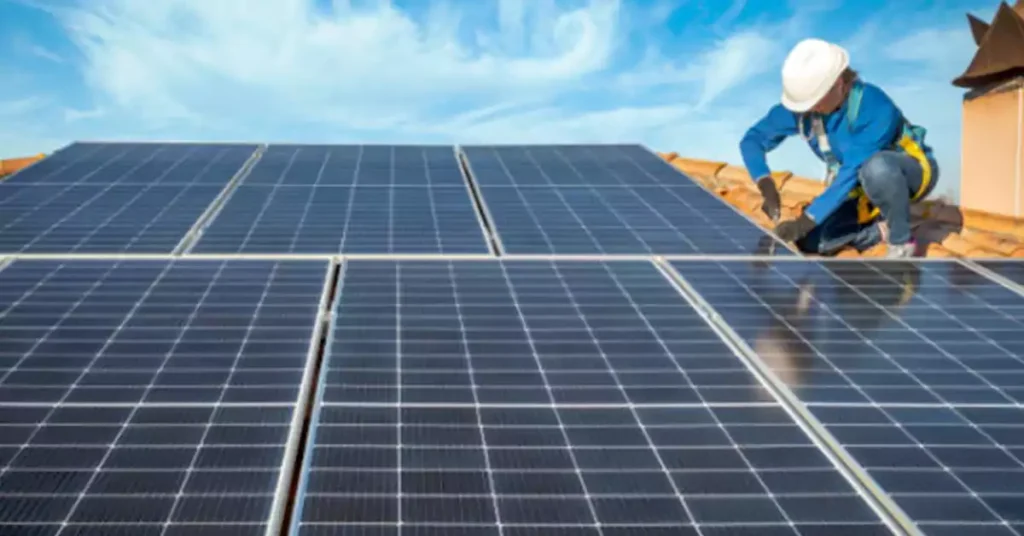
Article 690 provides the installation requirements for solar photovoltaic (PV) systems, excluding large-scale utility PV systems (covered by Article 691). It governs the PV array circuits, inverters, controllers, disconnects, grounding, and interconnections—whether stand-alone, interactive with other power sources, or hybrid—producing either AC or DC power.
Key highlights include:
Scope and Applicability: Covers residential, commercial, and industrial PV systems except for utility-scale stations. Multiple PV systems are allowed on a single structure with appropriate labeling and directories.
Equipment Requirements: PV components (e.g., inverters, modules, combiner boxes, rapid shutdown systems) must be listed or evaluated for the specific PV application.
Circuit and Voltage Requirements: Limits DC voltage to 1000V (600V for one- and two-family dwellings); conductor ampacity and maximum circuit currents must be carefully calculated; special provisions apply to bipolar circuits and systems with multiple voltages.
Arc-Fault and Ground-Fault Protection: DC circuits over 80V must have arc-fault protection; ground-fault protection (GFDI) is required for systems over 30V or 8A unless exempted.
Rapid Shutdown: Required for PV circuits on or in buildings to ensure firefighter safety—exceptions apply to ground-mounted and non-enclosed structures like carports.
연결 해제 수단: PV systems must have clearly labeled and accessible means to disconnect from other electrical and storage systems.
Wiring Methods and Accessibility: PV conductors over 30V that are accessible must be enclosed (e.g., MC cable or raceways); power converters can be installed on rooftops if disconnecting means are accessible.
Floating PV Systems: Must be suitable for increased mechanical stress, corrosion, and humidity, and allow for expected movement on water.
접지 및 본딩: Allows functionally grounded, ungrounded, and solidly grounded DC circuit configurations with detailed grounding requirements for safety.
전문가 팁: Wait, besides NEC, are there other electrical codes to comply with? In the last article, we explained in detail about the types and code compliance of solar conduits. You can click on the text above to read more.
Article 694 – Wind Electric Systems
Article 694 of the NEC establishes the requirements for wind electric systems, including one or more wind turbines and associated equipment such as generators, inverters, controllers, and energy storage. These systems may operate independently or interact with other power sources, and may produce AC or DC output.
Key provisions include:
Qualified Personnel: Installation, wiring, and maintenance must be performed by qualified individuals.
Equipment Listing: Wind turbines and related components must be listed, field-labeled, or under supervised evaluation.
Overvoltage and Overspeed Protection: Systems using diversion load controllers must include a reliable secondary method to prevent turbine overspeed. Surge protective devices are required.
Receptacles: Maintenance receptacles must include GFCI protection and overcurrent protection.
Circuit Requirements: Output circuits are treated as continuous loads, with voltage and access limitations in residential settings.
Shutdown and Disconnect: Systems must include means for turbine shutdown and disconnection.
Wiring and Grounding: All wiring methods and bonding must follow NEC requirements for safety and system stability.
Chapter 7 - Special Conditions

Chapter 7 of the National Electrical Code (NEC) addresses Special Conditions—those electrical systems that either support life safety, operate during abnormal situations, or involve emerging technologies. This chapter is crucial for systems that require continuous, backup, or alternative sources of power, as well as systems designed for monitoring or signaling.
From emergency systems and legally required standby power to energy storage and fire alarms, Chapter 7 provides clear installation requirements to ensure reliability, safety, and code compliance.
Article 700 - Emergency Systems
Emergency systems are legally required electrical systems that must continue operating in the event of a power outage to protect human life and safety. These include systems powering exit signs, emergency lighting, fire detection and alarms, public safety communications, and critical ventilation.
Key requirements include:
Transfer Time: Automatic transfer switches to ensure power is restored within 10 seconds of an outage.
Circuit Separation: Emergency wiring must be physically separated from all other wiring systems unless in separate compartments.
Use of listed and reliable sources like generators or battery systems.
규정 준수 with testing, maintenance, and identification standards to ensure availability during emergencies.
Article 701 - Legally Required Standby Systems
Legally required standby systems are mandated by local or national laws to maintain certain functions during power outages, but they are not as critical as emergency systems. These may support systems like elevators, HVAC, and sewage pumps in larger buildings.
Highlights:
Power restoration must occur within 60 seconds of a utility power loss.
These systems must be separately identified and installed.
Fuel supply, ventilation, and control systems must meet specific operating time and reliability standards.
Article 706 - Energy Storage Systems (ESS)
With the rise of renewable energy and grid resilience efforts, energy storage systems (ESS) such as battery banks, flywheels, and ultracapacitors have become a critical part of modern installations. Article 706 is a newer addition to the NEC and covers the installation, protection, and labeling of ESS.
Key points include:
설치: ESS must be installed per manufacturer’s instructions and Chapter 706 provisions.
Battery Types: Requirements vary based on chemistry:
Lithium-ion: Must include thermal runaway prevention and fire-resistant enclosures.
Lead-acid: Requires ventilation and spill containment.
Location Limits: ESS must be installed in approved rooms or cabinets, with required clearances and ventilation.
Shutdown Protocols: Systems must have clearly labeled, accessible emergency shutdown mechanisms.
전문가 팁: Is your business in the Energy Storage Systems (ESS) industry? In the last post, we listed four international standards and 7 tips to comply with them. You can click on the text above to learn more.
Article 760 - Fire Alarm Systems
Fire alarm systems are required for life safety, alerting occupants and emergency personnel to smoke or fire events. Article 760 outlines the wiring and installation rules for both power-limited and non–power-limited fire alarm circuits.
Key highlights include:
Circuit Types: Divided into:
Power-limited fire alarm (PLFA): Lower voltage; uses specific cable types (e.g., FPL, FPLP, FPLR).
Non–power-limited fire alarm (NPLFA): Higher power requirements; must follow general wiring rules.
케이블 보호: Fire alarm cables must be:
Listed for fire resistance and routed to avoid physical damage.
Separated from other systems unless barriers are used.
Power Supply: Must have primary and secondary (backup) power, usually batteries capable of 24 hours standby and 5 minutes alarm operation.
표시: Junction boxes and conduits must be marked “FIRE ALARM CIRCUIT”.
Article 770 - Optical Fiber Cables and Raceways
Though not a traditional power system, optical fiber cables are vital for modern communication and control systems. Article 770 details the installation requirements for nonconductive and conductive fiber optic cables.
Covers fire-rated cable types (OFNR, OFNP).
Includes rules for raceways, bends, support spacing, and mechanical protection.
Emphasizes maintaining signal integrity and minimizing damage risks in high-performance networks.
Additional Best Practices for Special Conditions
While each Article within Chapter 7 includes highly specific requirements, some general best practices include:
- Documentation and Labeling:
Clearly label all systems, especially those involved in life safety or standby operation.
Maintain installation records, drawings, and test results as required by NFPA 70 and local AHJs (Authorities Having Jurisdiction).
- 환경 고려 사항:
Systems located in wet, corrosive, or explosive environments (like those in combination with Chapter 5) must use listed enclosures, corrosion-resistant materials, and NEMA-rated equipment.
- Coordination with Other Codes:
Fire alarm and emergency systems must comply not just with NEC but also with NFPA 72 (National Fire Alarm and Signaling Code) and NFPA 110 (Standard for Emergency and Standby Power Systems).
- Maintenance & Testing:
Chapter 7 systems require ongoing inspection and testing, sometimes monthly, to meet compliance. System failures during emergencies often stem from lack of maintenance.
Chapter 8 - Communications Systems
NEC Chapter 8 provides the rules and requirements for communication circuits, including telephone systems, television and radio distribution, internet/data cabling, intercoms, and networked control systems. Unlike power circuits regulated in earlier chapters, Chapter 8 focuses specifically on low-voltage systems designed to transmit information, not power.
Article 800 - General Requirements for Communications Systems
This article outlines the general rules for installing communication cables and related hardware, including:
- Cable Types and Ratings:
Communications cabling includes types like CM, CMR, CMP, and CAT5e/CAT6/CAT6A for data.
Fire ratings matter: CMP cables (plenum rated) are required in ducts or plenum spaces due to fire safety concerns.
- Separation from Power Wiring:
Communication cables must be separated from power and lighting conductors to avoid electrical interference and induced voltages.
Dedicated raceways, barriers, or spacing are often required when running parallel to power circuits.
- 접지 및 본딩:
All communications systems must be grounded at the service entrance or building entry point to limit voltage surges and ensure personal safety.
Bonding must be done using listed hardware, and must comply with Articles 800 and 250.
- Protection from Physical Damage:
Cables must be protected where they are subject to damage, such as in exposed locations or at penetration points through walls or floors.
참고사항: Want to know the comms conduit differences between the US, Canada and Australia? In the last post, we listed the types and code compliance of US and AU communication conduits. You can click on the text above to learn more.
Article 820 - Community Antenna Television and Radio Distribution Systems (CATV)
Article 820 covers coaxial cable-based systems that provide TV, satellite, or RF signal distribution.
Key requirements include:
- 접지 요구 사항:
The coaxial cable’s shield must be grounded as close as practical to the cable entry point, typically with a grounding block.
- Surge Protection:
CATV systems must include surge protectors or listed antennas and splitters designed to mitigate lightning or transient voltages.
- Separation from Power:
As with other communication systems, CATV cables must maintain adequate separation from power wiring, especially when entering a building or sharing a raceway.
Common Applications
NEC Chapter 8 systems are commonly found in:
Commercial buildings – structured cabling, intercoms, CCTV
Residential homes – telephone lines, coaxial TV cable, internet wiring
Hospitals and schools – nurse call systems, paging, data networks
Smart buildings – integrated lighting and HVAC controls over data networks
Conduits Fit Into Communication System Installations
For physical protection, routing, and code compliance, communication cabling is often installed in non-metallic conduits, especially in underground or exposed areas. Some of the most commonly used conduit types for Chapter 8 applications include:
DB Conduit (Direct Burial Conduit)
DB-60 그리고 DB-120 PVC conduits are widely used for underground telecommunications lines.
These conduits are specially rated for burial without extra encasement and provide excellent resistance to soil corrosion, impact, and moisture.
DB conduit is ideal for running fiber optics and CATV lines from service pedestals to buildings, especially in campuses or housing developments.
HDPE Conduit (High-Density Polyethylene)
Flexible, corrosion-resistant, and suitable for long-distance underground communication cable pulls.
Often used in conjunction with fiber optic cables and microduct systems.
Common in data center backbones, utility corridors, and telecom provider networks.
골판지 도관
Lightweight, flexible, and easy to install in wall cavities or raised floors.
Frequently used for low-voltage drops, such as from a wall box to a data port or access control unit.
Available in halogen-free options for use in fire-sensitive areas.
Key Considerations
- 라벨링 및 식별:
Communication cables should be clearly labeled for identification, especially when multiple systems are installed together.
- Code Coordination:
While NEC governs safety, other standards like TIA/EIA-568, IEEE, and BICSI also guide performance and design. Compliance with both NEC safety codes and IT standards ensures optimal installation.
- Avoiding Signal Interference:
Maintain proper separation and shielding to avoid electromagnetic interference (EMI), especially in high-noise environments or where high-power equipment is nearby.
- Firestop Requirements:
When communication cables pass through fire-rated walls or floors, listed firestop systems must be used to maintain the fire-resistance rating of the barrier.
Navigating NEC Compliance - A Step-by-Step Guide
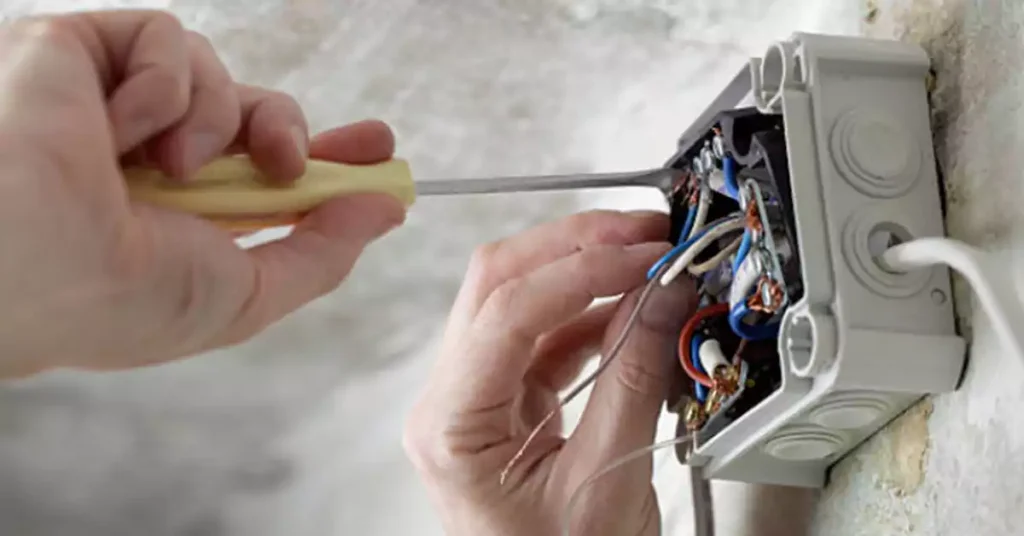
Achieving NEC compliance is about ensuring that every part of an electrical installation is safe, code-compliant, and fit for long-term performance in real-world conditions. Whether you’re working on a residential upgrade, a commercial building construction, or an industrial-scale system, a systematic approach rooted in the National Electrical Code (NEC) is essential.
Here are some factors you need to know to complaint with NEC:
Define the Application Type
Start by identifying the occupancy type and specific systems involved. The NEC structures many of its rules around the nature of the building or system:
Residential, commercial, or industrial
Hazardous locations (e.g., petrochemical plants)
Special occupancies like healthcare, agriculture, data centers, or EV infrastructure
Will it include systems like fire alarms, emergency power, or communication cabling.
Identify the Correct Code Edition and Local Amendments
Always verify the NEC edition adopted in your region. While the NEC is updated every three years, not all states or jurisdictions immediately adopt the latest version. Also, many municipalities add local amendments that override or supplement NEC rules.
To stay compliant:
Confirm the NEC edition adopted locally (e.g., 2020, 2023)
Review any state-specific electrical codes.
Coordinate with the Authority Having Jurisdiction (AHJ) early in the design phase.
Evaluate the Installation Environment
Electrical materials and methods must be selected with field conditions in mind. The NEC emphasizes suitability based on:
Ambient temperature: Conductors must be derated when installed in high-temperature areas (e.g., attics, rooftops). See NEC 310.15(B).
Moisture and corrosion: Use watertight and corrosion-resistant enclosures and raceways in wet locations (e.g., outdoor, underground).
Exposure to sunlight: Materials installed in direct sunlight must be UV-resistant.
Physical damage potential: In areas subject to impact or movement, raceways must be heavy-duty or mechanically protected.
Select NEC-Compliant Wiring Methods and Materials
Refer to Chapter 3 for acceptable wiring methods based on the project environment and NEC scope. Choices must consider:
Conductor type and insulation (e.g., THHN, XHHW-2, MTW)
Conduit system (e.g., EMT, RMC, PVC, ENT)
Cable assemblies (e.g., NM, MC, AC cables)
Boxes, fittings, connectors, and support
All materials must be listed and labeled by a recognized third-party testing agency (e.g., UL, CSA) and used in accordance with their listing.
For Special Occupancies and Equipment
If your project includes special occupancies or special equipment, apply specific rules beyond general wiring practices. Examples:
Healthcare: Requires isolated grounding, redundant circuits, and essential system separation.
위험한 장소: Mandates explosion-proof fittings and sealed conduit systems.
Agricultural Buildings: Require corrosion-resistant and dust-tight enclosures.
Fire Alarms: Must meet survivability and separation requirements.
NEC also defines clearances, circuit separation, and system labelling rules that are critical to safety and inspection.
Ensure Grounding and Bonding Integrity
Refer to NEC Article 250 for proper grounding and bonding, including:
Grounding electrode systems (e.g., ground rods, building steel)
Main and supplemental bonding jumpers
Equipment grounding conductors sized according to NEC Table 250.122
Improper grounding is one of the most common causes of NEC violations and electrical hazards.
Calculate Conduit Fill, Ampacity, and Voltage Drop
Proper wire sizing must consider:
Ampacity derating: Based on ambient temperature and number of conductors.
Conduit fill: Overfilling leads to overheating.
Voltage drop (recommended max 3% for branch circuits): Especially critical for long runs and energy-efficient designs.
Schedule Inspections
Coordinate with the AHJ for inspection stages, such as:
Rough-in inspections: Check wiring, supports, and boxes before finishes are applied.
Final inspections: Ensure proper device installation, labeling, grounding, and safety clearances.
Additionally, perform system tests like:
Continuity and insulation resistance
Polarity and GFCI/AFCI verification
Load balancing and voltage readings
For commercial and industrial systems, commissioning and third-party validation may be required.
The NEC provides a consistent framework for safe, functional electrical installations, but true compliance requires more than just code references. Professionals must consider installation environments, equipment ratings, material compatibility, and local rules every step of the way.
By following this structured guide and aligning each phase of your installation to NEC provisions, you can deliver systems that are safe, efficient, and future-proof.
10 Commons NEC Violations and How to Avoid Them
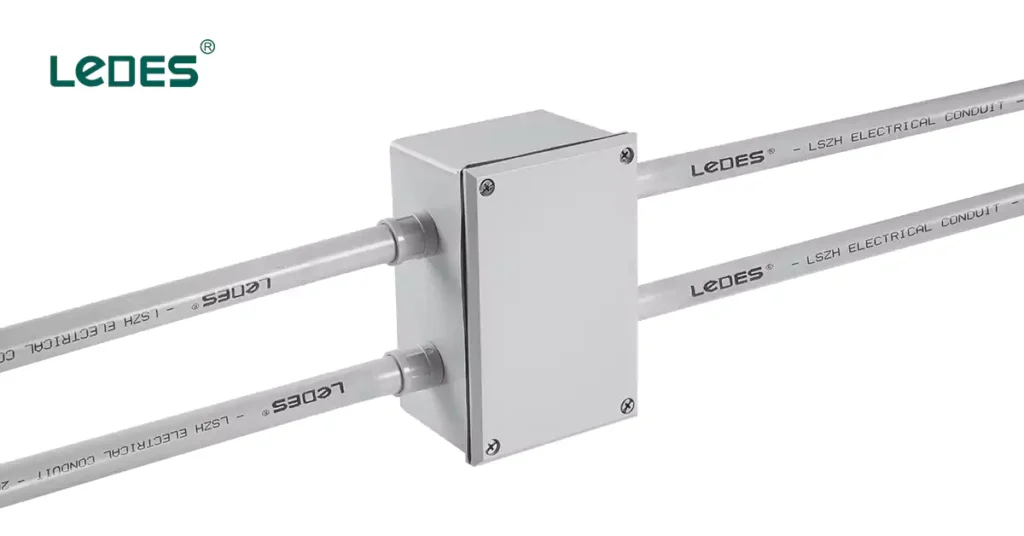
Even skilled electricians and experienced contractors can encounter National Electrical Code (NEC) violations, many of which are surprisingly avoidable. These missteps can delay project approvals, create safety hazards, or lead to costly rework. Understanding the most common pitfalls and how to prevent them is key to maintaining both compliance and safety.
Here are several frequently encountered NEC violations, along with practical advice on how to avoid them.
Inadequate Grounding and Bonding
One of the most frequent issues in electrical installations is poor or missing grounding and bonding. This can lead to equipment damage, shock hazards, or unreliable system performance.
How to avoid it:
Ensure all metal components and systems are properly bonded and connected to an effective ground. Use appropriate connectors and follow correct installation practices for grounding electrodes and conductors. Never rely on flexible metal conduits or enclosures as the sole path to ground.
Overfilled Junction or Outlet Boxes
Stuffing too many wires into a single electrical box without accounting for space requirements can lead to overheating or damaged insulation.
How to avoid it:
Always size electrical boxes according to the number and size of wires, devices, and clamps inside. Use larger boxes or box extensions when needed. Plan box fill before pulling conductors to avoid overfilling during installation.
Conduit Overfill and Poor Bending Practices
Running too many wires through a single conduit or using sharp, cramped bends can make maintenance difficult and lead to wire damage.
How to avoid it:
Limit the number of wires in each conduit to prevent excessive heat buildup. Maintain proper bending radii to ensure easy wire pulling and avoid stress on the insulation. Choose conduit sizes that allow for future wiring adjustments.
Missing GFCI or AFCI Protection
Omitting required safety protection, such as Ground-Fault Circuit Interrupters (GFCIs) or Arc-Fault Circuit Interrupters (AFCIs), is a common oversight—especially in kitchens, bathrooms, outdoor spaces, or bedrooms.
How to avoid it:
Know where these devices are required and include them in both design and installation phases. Use labeled GFCI/AFCI receptacles or breakers, and test them after installation.
Loose or Unsupported Cables and Conduits
Failing to secure cables or conduits can cause sagging, mechanical damage, or even failure under stress or vibration.
How to avoid it:
Support all wiring methods securely with proper fasteners at regular intervals. Avoid over-tightening straps, and use approved supports compatible with the conduit or cable type.
Using Incorrect Connectors or Fittings
Improvised or incompatible fittings can result in poor electrical continuity, mechanical weakness, or moisture intrusion.
How to avoid it:
Only use listed connectors and fittings that match the type and size of conduit or cable being used. Avoid mixing metal and plastic components unless specifically approved.
Ignoring Temperature Ratings or Ampacity Adjustments
Neglecting to consider high ambient temperatures, insulation type, or bundled conductors can lead to overheating and premature equipment failure.
How to avoid it:
Use wire types with insulation suitable for the environment, and adjust ampacity when cables are bundled or installed in hot areas like attics or near heating systems. Select conduit materials that perform well in those temperatures.
Poor Identification of Conductors
Using the wrong color or failing to label wires clearly can confuse maintenance personnel or lead to unsafe connections.
How to avoid it:
Follow consistent wire color conventions: black or red for hot wires, white or gray for neutrals, and green or bare copper for grounding. When color is unclear, label conductors clearly at both ends.
Insufficient Working Space Around Panels
Installing panels in cramped or obstructed areas makes safe operation and maintenance difficult—and can lead to code violations during inspection.
How to avoid it:
Ensure that electrical panels and service equipment have clear, unobstructed access with adequate working space in front and around them. Avoid placing panels in closets, bathrooms, or storage spaces.
Lack of Weatherproofing in Outdoor Installations
Failing to use weather-resistant materials outdoors or in wet locations can lead to corrosion, water damage, and dangerous short circuits.
How to avoid it:
Use weatherproof boxes, covers, fittings, and conduit suitable for wet or damp environments. Seal all connections carefully and install covers that protect outlets even while in use.
Staying Updated with the NEC - 3 Tips
The National Electrical Code (NEC) is not a static document—it is revised every three years to reflect changes in technology, safety practices, and the evolving needs of the electrical industry. Staying updated is not just recommended—it’s essential for compliance, performance, and safety.
Here are some points you can follow to ensure remain NEC-compliant and up to date.
Staying Compliant Through Education and Training
Continuing Education
Licensing authorities in many jurisdictions require electricians, engineers, and contractors to complete continuing education to renew their licenses. These courses typically cover updates in the latest NEC edition, with a focus on changes in definitions, requirements, and safety standards.
Manufacturer and Industry Training
Many conduit, wiring, and equipment manufacturers offer product-specific training aligned with NEC updates. These sessions help professionals apply code requirements to real-world products and systems, especially in emerging fields like EV charging infrastructure and solar energy.
On-the-Job Experience and Mentoring
For apprentices and journeymen, learning on-site under the guidance of a master electrician is one of the most practical ways to build NEC knowledge. Experienced professionals often share field-proven practices that align with code requirements while improving installation efficiency and quality.
The Role of Inspections and Permits
Electrical Permits Ensure Compliance Before Work Begins
Before most electrical work can begin, contractors must apply for a permit. This process ensures that the design and scope of work meet NEC standards and local amendments.
Inspections Catch Mistakes and Improve Safety
Inspections are conducted at critical phases of a project—often before walls are closed and again after completion. Inspectors act as an essential line of defense, verifying installations are safe, code-compliant, and professionally executed.
Working With Inspectors, Not Against Them
Professionals who view inspectors as allies—not obstacles—tend to deliver better projects. A good relationship with local authorities can streamline approvals and improve understanding of evolving code interpretations.
Essential Resources for NEC Compliance
NFPA 70: National Electrical Code Handbook
The NEC Handbook, published by the National Fire Protection Association (NFPA), provides the full text of the Code with expert commentary, illustrations, and real-world application notes. It’s an indispensable tool for in-depth learning and design reference.
NEC Mobile App and Digital Access
NFPA also offers the NEC in a mobile app, making it easy to search, bookmark, and reference sections in the field. Many professionals use the app as a fast and reliable way to find answers on-site.
Local Code Amendments
Each city or state may adopt the NEC with additions or modifications. Always check with your local Authority Having Jurisdiction (AHJ) to confirm which edition is in force and whether any unique rules apply to your project.
Trade Associations and Online Communities
Organizations like IAEI (International Association of Electrical Inspectors), NECA (National Electrical Contractors Association), and IEC (Independent Electrical Contractors) provide access to training, publications, and forums where professionals can discuss code questions and stay updated on industry trends.
결론
The National Electrical Code (NEC) is more than just a rulebook—it’s the foundation of electrical safety across the United States and beyond. It represents decades of industry experience, real-world lessons, and engineering standards that aim to protect people, property, and electrical systems.
One of the most critical aspects of NEC compliance is choosing the right electrical conduit. Whether it’s PVC for underground runs, EMT for commercial interiors, or specialized low-smoke halogen-free solutions for sensitive environments, conduit selection directly affects safety, performance, and code adherence. Using properly rated conduits not only ensures regulatory compliance but also contributes to long-term system durability and resilience.
Ultimately, following the NEC leads to safer electrical installations, reduced fire and shock hazards, and fewer costly reworks or legal issues. For electrical professionals, contractors, inspectors, and engineers, understanding and applying the NEC is not just a requirement—it’s a commitment to quality and safety in every project.
자주 묻는 질문
미국 전기 규격(NEC)이란 무엇입니까?
미국 전기 규격(NEC)은 미국 소방협회(NFPA)에서 미국 내 전기 배선 및 장비의 안전한 설치를 위해 개발한 표준 지침입니다. 3년마다 개정되는 NEC는 감전, 화재, 아크 플래시와 같은 전기적 위험으로부터 인명과 재산을 보호하는 것을 목표로 합니다. 배선 방식, 전선관 종류, 접지, 특수 용도 시설, 신재생 에너지 시스템 등 모든 사항을 다룹니다.
국가 전기 규격은 법률인가요?
엄밀히 말하면 NEC 자체는 법률이 아니지만, 주 또는 지방 자치 단체에서 건축법규의 일부로 채택될 경우 법적 효력을 갖게 됩니다. 대부분의 미국 주와 준주에서는 NEC를 (종종 수정안을 포함하여) 채택하고 있으며, 이로 인해 해당 지역에서는 사실상 법적 의무 사항이 되었습니다. 준수 여부는 일반적으로 지역 전기 검사관이 감독합니다.
모든 국가에 국가 전기 규격이 있나요?
No, not all countries have a version of the NEC. The NEC is primarily used in the United States, although some other countries, especially in Latin America and the Caribbean, may use it or base their standards on it. Other countries typically have their own national electrical standards, such as:
IEC 표준 (International Electrotechnical Commission) used in Europe and many parts of Asia and Africa
캐나다 전기 규정(CEC) in Canada
AS/NZS 3000 (Wiring Rules) in Australia and New Zealand
전기 배관에 PVC 파이프를 사용하는 것이 안 좋은가요?
Yes. Only specific types of PVC conduit are approved for electrical use—you cannot use regular plumbing PVC (typically white Schedule 40 or 80) as an electrical conduit.
For electrical installations, you must use electrical-grade PVC conduit such as:•
- Rigid Polyvinyl Chloride Conduit (PVC Schedule 40 or 80) — marked and listed for electrical use
- 전기 비금속 튜브(ENT) — also made of PVC, flexible, and used in certain wall or ceiling applications
These conduits:
- Are listed and labeled for electrical safety
- Provide protection against corrosion and moisture
- Must be installed following NEC requirements regarding bends, supports, burial depth, and temperature ratings
Using plumbing-grade PVC for electrical wiring is unsafe and non-compliant, as it may not have flame resistance, UV protection, or dimensional consistency required for pulling conductors.
전선관 외부에 접지선을 연결해도 될까요?
No, running a ground wire along the outside of a conduit is not compliant with the NEC. Grounding conductors must be:
- Inside the raceway or cable assembly
- Protected from physical damage
- Installed in a way that ensures electrical continuity and conductivity
Exposed grounding conductors are susceptible to mechanical damage and corrosion, which can compromise safety.
미국 전기 규격(NEC)에 따르면 전원 콘센트란 무엇입니까?
미국 전기 규격(NEC)에 따르면, 전원 콘센트는 배선 시스템에서 전류가 취해져 사용 장비에 전력을 공급하는 지점을 의미합니다. 실질적으로는 일반적으로 가전제품이나 기기를 꽂는 콘센트를 가리킵니다. 하지만 문맥에 따라 조명 콘센트, 모터 콘센트, 장비 콘센트 등 다른 종류의 콘센트에도 이 용어가 적용될 수 있습니다.
미국 전기 규격(NEC)의 최신판은 무엇입니까?
최신판은 미국 소방협회(NFPA)에서 발행한 2023년 NEC(National Electrical Code)입니다. NEC는 3년마다 개정됩니다.
전기 설비에는 어떤 규정이 적용되나요?
미국의 전기 설비는 주로 NEC(NFPA 70)의 적용을 받습니다. 각 지역 관할 구역에서는 NEC를 수정 여부와 관계없이 채택할 수 있으며, 자체적인 건축 또는 에너지 규정을 둘 수도 있습니다. 캐나다에서는 주로 CEC(캐나다 전기 규정)의 적용을 받으며, 지역마다 자체적인 지역 규정이 있을 수 있습니다.
미국에서 직접 전기 작업을 하는 것은 합법인가요?
네, 하지만 이는 주 및 지역 관할권에 따라 다릅니다. 많은 지역에서 주택 소유자는 적절한 허가를 받고 검사를 통과하면 자신의 집에서 특정 전기 작업을 직접 수행할 수 있습니다. 그러나 상업용 작업이나 고전압 시스템 작업은 일반적으로 면허를 소지한 전기 기술자가 수행해야 합니다.
참고문헌



 EN
EN  FR
FR  ES
ES  ES_MX
ES_MX  PT
PT  AR
AR  DE
DE  KO
KO  ZH
ZH