콘텐츠로 건너뛰기
목차
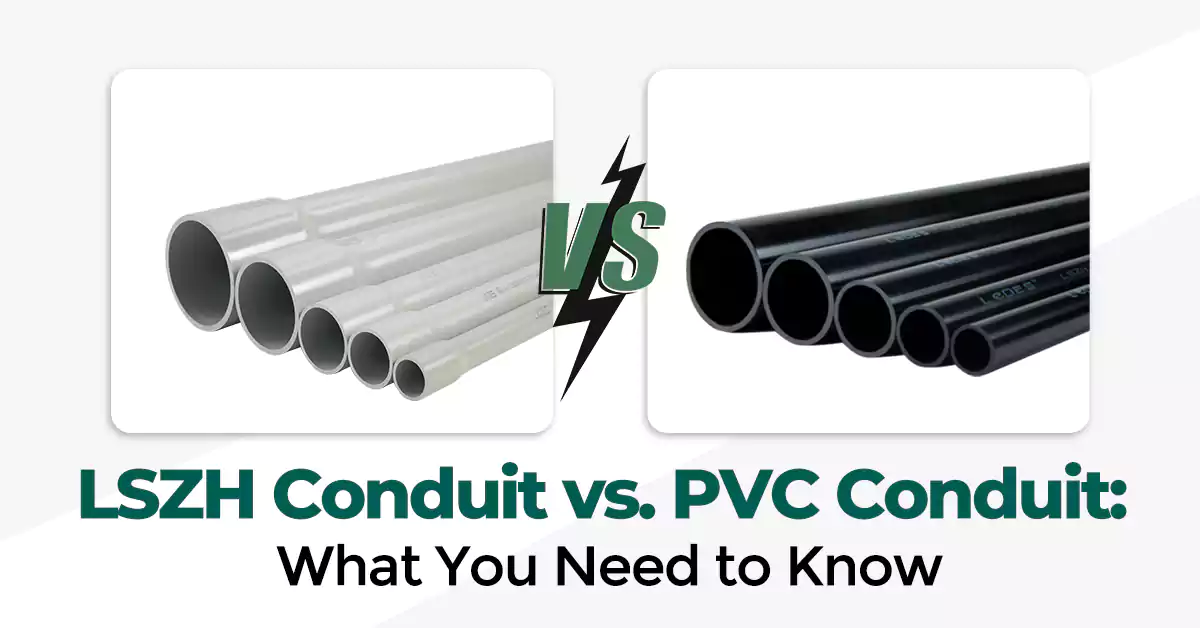
전기 설비에 있어서는 안전, 내구성 및 산업 표준 준수를 보장하기 위해 적절한 종류의 전선관을 선택하는 것이 매우 중요합니다. 가장 일반적으로 사용되는 옵션 중 하나는 LSZH입니다. 저연 제로 할로겐 전선관 그리고 PVC – 폴리염화비닐 도관. 둘 다 전기 배선을 보호하는 목적을 가지고 있지만, 각각 다른 용도에 적합하게 만드는 뚜렷한 특성이 있습니다.
LSZH 전선관은 화재 발생 시 유독 가스와 연기 방출을 최소화하도록 설계되어 터널, 공공 건물, 교통 인프라와 같은 밀폐된 환경이나 화재 위험이 높은 환경에 이상적입니다. 반면 PVC 전선관은 저렴한 가격, 내식성, 간편한 설치 덕분에 주거용, 상업용, 산업용 전기 시스템에 널리 사용되고 있습니다.
전기 배관 선택은 안전, 환경 지속 가능성 및 장기적인 시스템 신뢰성에 직접적인 영향을 미칩니다. LSZH 배관과 PVC 배관 중 선택할 때는 내화성, 기계적 강도, 내화학성 및 규정 준수와 같은 요소를 고려해야 합니다.
이 글에서는 다음 내용을 살펴보겠습니다.
- LSZH 전선관과 PVC 전선관의 주요 차이점은 다음과 같습니다.
- 각 유형별 장점과 단점
- 다양한 용도에 적합함
- 안전 및 환경 기준 준수
- 프로젝트에 적합한 전선관을 선택할 때 고려해야 할 실질적인 사항
이 가이드를 마치면 화재 안전, 비용 효율성 또는 내구성 중 무엇을 우선시하든 어떤 유형의 전선관이 귀하의 요구 사항에 가장 적합한지 명확하게 이해하게 될 것입니다.
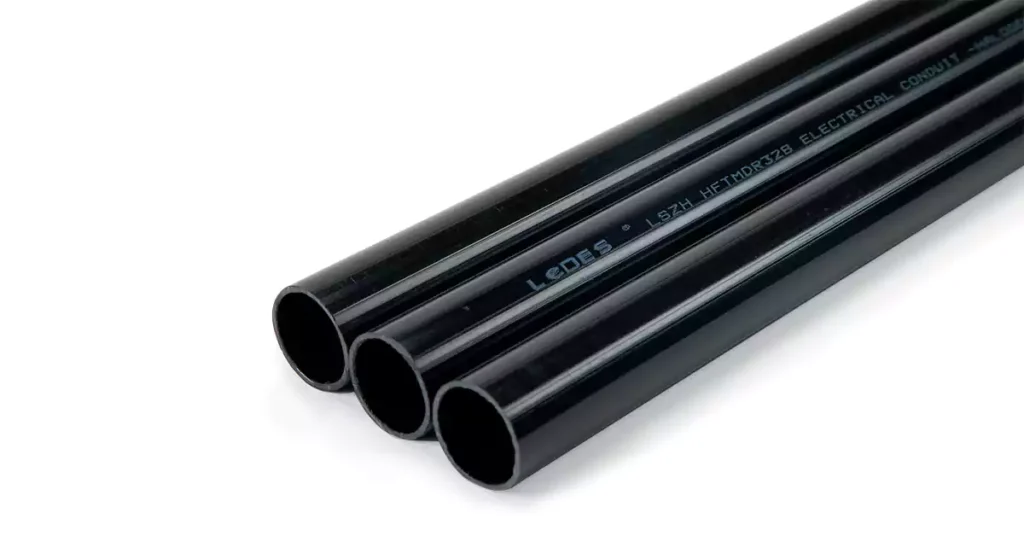
저연 무할로겐(LSZH) 전선관은 염소, 불소, 브롬, 요오드와 같은 할로겐 원소를 포함하지 않는 재질로 만들어진 플라스틱 전선관입니다. 연소 시 유해 가스를 방출할 수 있는 기존 PVC 전선관과 달리, LSZH 전선관은 화재 발생 시 연기가 거의 나지 않고 유독성 할로겐 가스도 방출하지 않도록 설계되었습니다.
이러한 특성 덕분에 LSZH 전선관은 밀폐된 공간, 공공 건물, 터널, 데이터 센터와 같이 화재 안전 및 공기 질이 중요한 용도에 적합한 선택입니다.
기존 PVC 전선관에 비해 연기가 훨씬 적게 발생합니다.
화재 발생 시 시야를 확보하여 안전한 대피를 돕습니다.
민감한 전자 장비의 연기로 인한 손상을 줄여줍니다.
염소, 불소, 브롬 및 기타 유해한 할로겐 원소가 함유되어 있지 않습니다.
인체에 해를 끼치고 장비를 손상시킬 수 있는 부식성 및 고독성 가스의 생성을 방지합니다.
공기질 유지가 매우 중요한 밀폐된 공간에 적합합니다.
많은 LSZH 전선관은 화염 확산을 방지하는 자체 소화 기능을 갖도록 설계되었습니다.
전기 시스템을 통한 화재 확산 위험을 줄여줍니다.
터널, 병원, 공항, 데이터 센터, 상업용 건물 및 교통 시스템에서 일반적으로 사용됩니다.
공공 기반 시설의 엄격한 화재 안전 규정 및 환경 기준을 충족하는 데 도움이 됩니다.
사람이 많이 몰리거나 환기가 제한적인 장소에 필수적입니다.
LSZH 전선관은 유해 물질을 공기 중으로 방출하지 않으므로 PVC보다 환경 친화적입니다.
친환경 건축 인증 및 지속가능성에 중점을 둔 프로젝트에 적합합니다.
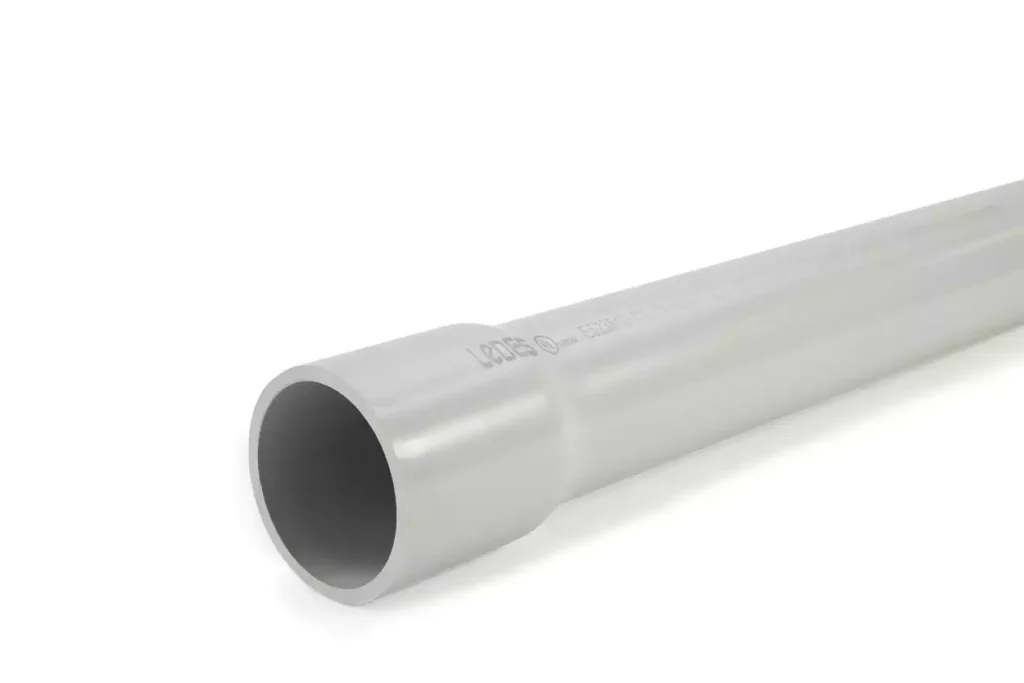
폴리염화비닐(PVC) 전선관은 가장 널리 사용되는 전기 전선관 유형 중 하나로, 경제성, 내구성 및 간편한 설치로 잘 알려져 있습니다. 견고한 PVC 소재로 제작된 이 전선관은 뛰어난 절연성, 내습성 및 내식성을 제공하여 주거용, 상업용 및 산업용 환경의 다양한 전기 설비에 적합합니다.
PVC 전선관은 Schedule 40 및 Schedule 80과 같은 다양한 두께와 등급으로 제공되며, 지하 설치용 DB2와 같은 특수 유형도 있습니다. 일반적으로 전기 배선을 기계적 손상, 환경 요인 및 화학 물질 노출로부터 보호하는 데 사용됩니다.
금속 및 LSZH 전선관에 비해 가장 저렴한 전선관 옵션 중 하나입니다.
다양한 크기와 종류로 쉽게 구할 수 있어 여러 용도에 맞춰 간편하게 조달할 수 있습니다.
자재비와 인건비 절감은 전기 설비 비용 절감에 기여합니다.
부식, 녹, 화학적 열화에 강하여 습하고 부식성 환경에 이상적입니다.
햇빛에 노출되는 실외 설치의 경우 자외선 차단 기능이 있는 옵션을 사용할 수 있습니다.
지하 매설부터 지상 사용까지 다양한 환경 조건을 견딜 수 있습니다.
금속 전선관에 비해 가벼워 취급 및 인건비가 절감됩니다.
쉽게 절단, 성형 및 접착이 가능하며 용제 접착제나 나사식 연결 부품을 사용하여 접합할 수 있습니다.
설치에 필요한 특수 도구는 최소한입니다.
비전도성 소재는 감전 위험과 접지 문제를 제거합니다.
내화성 제품도 있지만, 일반 PVC 전선관은 연소 시 유독 가스를 방출할 수 있습니다.
주거용, 상업용 및 산업용 전기 시스템에 사용됩니다.
지상 및 지하 설치에 적합하며, 직접 매설 및 콘크리트 매설 방식 모두 가능합니다.
태양광 설비, 통신 및 냉난방 시스템에 일반적으로 사용됩니다.
LSZH(저연 제로 할로겐) 전선관과 PVC(폴리염화비닐) 전선관 중에서 선택할 때는 두 재질의 근본적인 차이점을 이해하는 것이 중요합니다. 이 두 재질은 구성, 안전성, 내화 성능, 관련 규정 준수, 설치 방법, 비용 등에서 차이가 있으며, 이러한 차이는 다양한 용도에 대한 적합성에 영향을 미칩니다.
유용한 팁: 저희의 마지막 게시글을 읽어보실 수 있습니다. LSZH 전선관 초보자 가이드 먼저, 아래 내용을 이해하기 어려우시다면 다음 내용을 참고해 주세요.
LSZH 전선관은 염소, 불소, 브롬, 요오드와 같은 할로겐 원소를 포함하지 않는 특수 열가소성 또는 열경화성 화합물로 만들어집니다. LSZH 소재의 주요 목적은 화재 발생 시 유독 물질 배출을 최소화하고 부식성 가스 생성을 방지하는 것입니다.
LSZH 소재는 다음과 같은 대체 난연 첨가제를 사용하여 제조됩니다.
- 수산화알루미늄(Al(OH)₃)₃₃) - 가열될 때 수증기를 방출하여 화염을 진압하는 데 도움을 줍니다.
- 수산화마그네슘(Mg(OH)₂)₂) - 열을 흡수하여 연기 발생량을 더욱 줄여줍니다.
- 인 기반 화합물 – 기계적 유연성을 유지하면서 내화성을 향상시킵니다.
이러한 재료는 연소 시 부식성 연기를 발생시키지 않으므로 LSZH 전선관은 공기 질이 중요한 밀폐 공간, 교통 허브 및 중요 기반 시설에서 더 안전한 선택입니다.
PVC 전선관은 염소를 함유한 합성 플라스틱 고분자인 폴리염화비닐(PVC)로 만들어집니다. PVC는 자체 소화성으로 인해 본질적으로 난연성이지만, 연소 시 염화수소(HCl)와 같은 유독성 할로겐 가스를 방출합니다.
이러한 가스는 심각한 호흡기 자극을 유발하고 물과 혼합될 경우 산성 부식을 일으켜 심각한 건강 위험을 초래할 수 있습니다. 이는 데이터 센터, 병원, 터널과 같이 장비와 인명 안전이 최우선인 민감한 환경에서 특히 중요한 문제입니다.
- 연기 발생 최소화 – 안전한 대피를 위한 시야 확보에 도움이 됩니다.
- 독성 할로겐 가스 없음 건강상의 위험을 줄이고 전자 장비의 손상을 방지합니다.
- 부식성 산성 가스를 발생시키지 않습니다. – 사회기반시설의 장기적인 구조적 손상을 방지합니다.
- 화재 안전 기준을 준수합니다. 예를 들어 IEC 60754, IEC 61386 및 UL 94 등이 있습니다.
이러한 특성 때문에 LSZH 전선관은 화재 위험을 최소화해야 하는 지하철 시스템, 공항, 선박 및 통신 시설과 같은 고위험 지역에 자주 사용됩니다.
- 천연 난연성 - 열원이 제거되면 저절로 꺼집니다.
- 짙은 연기와 유독 가스를 방출합니다. – 질식 위험 증가 및 시야 확보 문제 발생 가능성 증가.
- 염화수소 배출 습기에 노출되면 염산을 생성하여 금속 및 전기 시스템에 심각한 손상을 초래합니다.
- 표준을 준수합니다 일반적인 용도에는 UL 651 및 NEC 요구 사항을 충족하지만, 화재에 민감한 중요 용도에는 적합하지 않습니다.
PVC 전선관은 많은 전기 설비에 적합하지만, 화재 안전, 공기 질 및 인체 노출 위험이 중요한 고려 사항인 장소에는 적합하지 않을 수 있습니다.
산업 표준을 준수하는 것은 안전, 내구성 및 성능을 보장하는 데 필수적입니다. LSZH 및 PVC 전선관 모두 다양한 전기 설비에 사용되기 위해서는 특정 규제 요건을 충족해야 합니다.
LSZH 전선관은 주로 전선관 시스템의 기계적 및 전기적 성능 요구 사항을 규정하는 IEC 61386 표준에 따라 규제됩니다. IEC 61386-1은 일반적인 성능 기준 역할을 하며, IEC 61386-21은 강성 전선관에, IEC 61386-23은 골형 전선관에 대한 구체적인 기준을 제시합니다.
IEC 61386에 따르면, 전선관은 성능 수준에 따라 분류되며, 이는 표준에서 두 자리 숫자로 표시됩니다.
참고사항: ~에 관해서 말하자면 전기 도관에 대한 IEC 61386 표준, 자세한 내용은 이전 게시글에서 설명드렸으니, 해당 게시글을 참고해 주세요.
이 분류는 다음 사항을 고려합니다.
- 기계적 강도에 의해 (예: 압축, 충격, 인장 강도 하중 용량)
매우 가벼움, 가벼움, 보통, 무거움, 매우 무거움.
- 유연성을 통해: 경질 및 연질 전선관.
- 가연성 기준: 화염 전파가 없는 것과 화염 전파가 있는 것.
또한 저온 및 고온 내성, 전기적 특성, 방수성, 내식성 등과 같은 다른 요소들도 고려해야 합니다.
성능 요구 사항:
IEC 61386-1은 전기 설비의 신뢰성을 보장하기 위해 LSZH 전선관이 통과해야 하는 다양한 기계적, 전기적 및 환경적 시험을 규정합니다. 주요 시험은 다음과 같습니다.
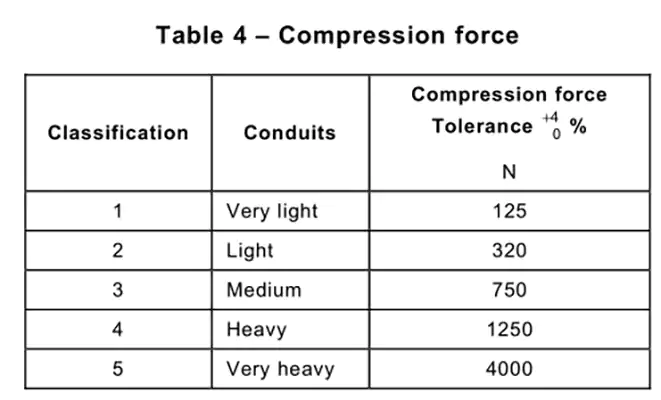
압축 강도 시험:
압력 하에서 변형되거나 파손되기 전에 도관이 견딜 수 있는 힘의 크기를 측정합니다.
도관의 종류에 따라 작용하는 힘이 다릅니다.
충격 저항 테스트:
도관의 기계적 충격 흡수 능력을 평가하며, 저온 환경에서의 내구성을 확보하기 위해 저온 시험도 포함합니다. 적용된 충격 질량과 높이는 표와 같습니다.
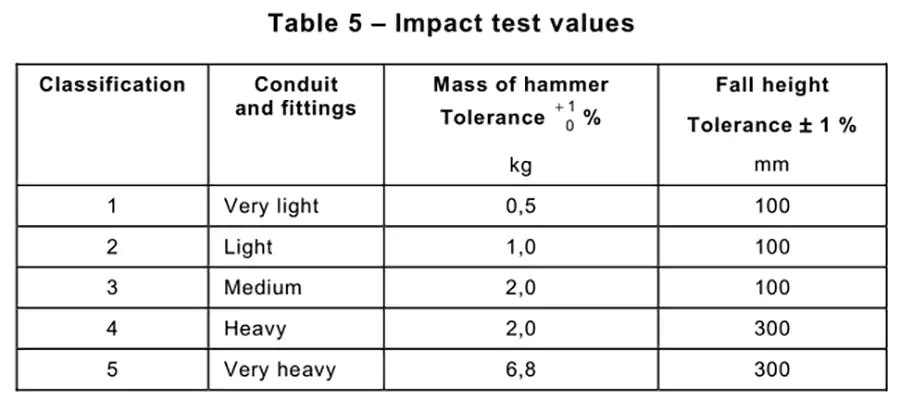
인장 강도:
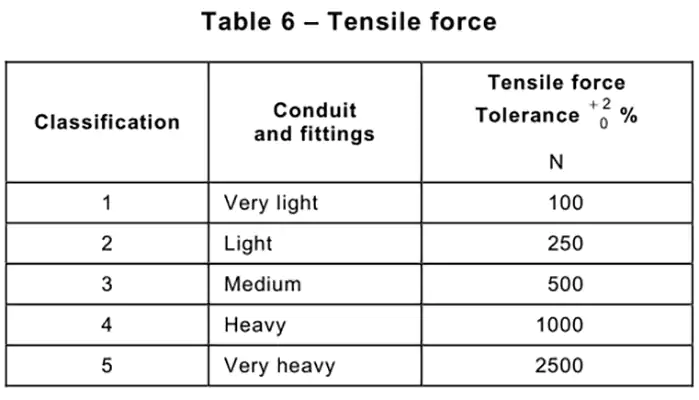
케이블 인입 시 전선관이 손상되지 않도록 전선관의 인장 저항력을 측정합니다. 전선관이 파손되거나 허용 한계를 넘어 늘어날 때까지 제어된 속도로 인장력(당기는 힘)을 가합니다.
전문가 팁: 우리는 설명합니다 충격 저항 및 인장 강도에 대한 세부 정보 지난 게시글에 나와 있으니, 관심 있으시면 읽어보세요.
전기 절연 저항:
단락을 방지하기 위해 전선관이 높은 전기 저항을 제공하도록 합니다.
내측 및 외측 도관 표면 사이에 고전압(예: 1000V~2000V)이 인가됩니다.
전선관은 전류를 전도하거나 누전을 허용해서는 안 됩니다.
화재 성능 시험:
화재에 대한 전선관의 반응을 평가하고, 화염이 확산되지 않도록 합니다.
전문가 팁: ~에 관해서 내화 성능 측정, 지난 게시글에서 논의했듯이, 이 부분에 관심이 있으시면 해당 게시글을 읽어보셔도 좋습니다.
- 글로우 와이어 테스트(IEC 60695-2-11):
750°C의 글로우 와이어를 수직으로 전선관에 적용합니다.
눈에 보이는 불꽃이 없거나, 불꽃이 30초 이내에 저절로 꺼지면 해당 도관은 정상입니다.
- kW 화염 시험(IEC 60695-11-2):
675mm 길이의 전선관 샘플을 수직으로 설치하고 45° 각도로 1kW 화염에 노출시킵니다.
이 테스트는 불꽃이 30초 이내에 저절로 꺼지고 아래에 놓은 휴지에 불이 붙지 않는지 확인합니다.
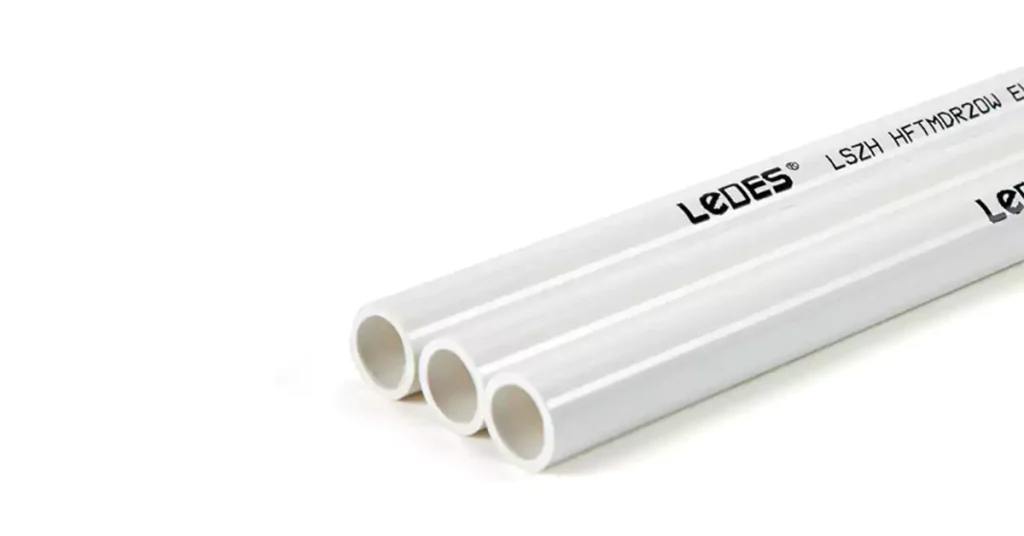
이는 금속 및 비금속 도관을 포함한 강성 도관의 성능과 관련이 있습니다.
주요 테스트 항목은 다음과 같습니다.
압축 시험: IEC 61386-1에 명시된 시험을 참조하십시오.
굽힘 시험:
유연성과 균열 저항성을 결정합니다.
비금속 전선관의 경우 16, 20, 25 사이즈와 복합 전선관은 굽힘 시험 장치를 사용하여 시험하며, 시험 후 전선관에 눈에 보이는 균열이 없어야 하고 해당 규격을 통과할 수 있어야 합니다.
붕괴 테스트:
붕괴 시험은 비금속 및 복합 전선관, 특히 구부릴 수 있는 전선관의 기계적 안정성을 평가합니다. 이 시험은 전선관이 열에 노출된 후에도 내부 통로를 유지하는지 확인하여 전기 설비에 지장을 줄 수 있는 막힘 현상을 방지합니다.
배관은 벤딩 보조 도구를 사용하지 않고 표준 벤딩 요구 사항에 따라 구부립니다. 그런 다음 네 개의 스트랩을 사용하여 견고한 지지대에 고정합니다. 배관을 가열 캐비닛에 넣고 24시간 동안 노출시킵니다.
- 가열 후, 지지대를 배치하여 도관이 수직선에 대해 45° 각도를 이루도록 하고, 한쪽 끝은 위쪽을, 다른 쪽 끝은 아래쪽을 향하게 합니다.
- 표준화된 게이지가 상단에 삽입되며, 초기 힘 없이 자체 무게만으로 도관을 통과해야 합니다.
이 테스트는 LSZH 도관이 고온 조건에서도 내부 무결성을 유지하는지 확인합니다.
인장 시험: IEC 61386-1에 설명된 바와 같습니다.
화재 성능: IEC 61386-1에 설명된 바와 같습니다.
이 표준은 특히 연성 전선관에 관한 것입니다. IEC 1부와 함께 전선관에 대한 요구 사항을 설정합니다.
기계적 요구 사항은 다음과 같습니다.
압축 시험: IEC 61386-1에 설명된 바와 같습니다.
굴곡 테스트:
굴곡 시험은 반복적인 굽힘 동작 하에서 LSZH 전선관의 기계적 내구성과 유연성을 평가합니다. 이 시험을 통해 전선관과 부속품이 설치 및 작동 중 발생하는 기계적 스트레스를 균열이나 내부 통로 손실 없이 견딜 수 있는지 확인합니다.
- 도관은 수직축을 중심으로 180° 각도로 앞뒤로 움직이는 진동 장치에 고정되어 있습니다.
- 조립체는 분당 40 ± 5회의 굴곡 속도로 정현파 운동을 통해 5,000회의 굴곡 주기를 거칩니다.
- 시험 후, 전선관에는 육안으로 봤을 때 균열이 없어야 합니다.
- 표준 규격의 전선은 추가적인 힘 없이 자체 무게만으로 전선관을 통과할 수 있어야 합니다.
인장 강도, 내화 성능: IEC 61386-1을 참조하십시오.
EN 50267-2는 LSZH(저연 제로 할로겐) 전선관과 같은 비금속 재료의 연소 시 발생하는 가스의 산성도 및 부식성을 측정하는 방법을 규정한 유럽 표준입니다. 이 표준은 해당 재료가 낮은 산성도와 비부식성 배출물을 생성하는지 여부를 평가하여 데이터 센터, 터널, 운송 시스템과 같은 화재에 민감한 용도에 적합한지 확인합니다.
시험 방법 및 절차:
일반 원칙
미리 정해진 양의 시험 물질을 제어된 조건 하에서 관형로에서 연소시킨다. 연소 과정에서 발생하는 가스를 포집하여 증류수 또는 탈염수에 용해시킨 후, 산도(pH)와 전도도를 측정한다.
가스 흡수에 사용되는 물은 다음과 같은 특성을 가져야 합니다.
- pH: 6.5 ± 1.0
- 전도도: ≤ 0.5 µS/mm
이러한 엄격한 요건은 테스트의 정확성을 보장합니다.
시험 방법
연소 과정
해당 물질 1,000mg 시료를 관형로에서 935°C의 온도와 제어된 공기 흐름 조건 하에 연소시킨다.
방출된 가스는 증류수 또는 탈염수에 포집됩니다.
산도 및 전도도 측정
용액의 pH 수준을 측정하여 산성도를 판단합니다.
가스의 부식 가능성을 평가하기 위해 전도도를 측정합니다.
합격/불합격 기준
pH가 지정된 한계치(≥4.3) 이상으로 유지되고 전도도가 허용 범위 내에 있으면 해당 재료는 통과한 것으로 간주됩니다.
샘플 하나라도 불량 판정을 받으면, 결과를 확인하기 위해 추가 검사를 실시합니다.
이 테스트는 유해한 산성 가스 배출을 최소화하여 LSZH 전선관이 화재 안전 요구 사항을 충족하는지 확인하고, 사람과 장비에 대한 위험을 줄입니다.
IEC 60754-1은 전기 케이블의 절연재 및 외피와 같은 비금속 재료의 연소 시 발생하는 할로겐산 가스의 양을 측정하는 방법을 규정합니다. 이 시험은 화재 발생 시 재료의 부식성 및 독성을 평가하는 데 필수적입니다.
테스트 방법 요약
- 연소 과정
- 시험편을 석영 유리관에 넣고 제어된 공기 흐름 하에서 관형로에서 800 ± 10°C로 가열한다.
- 연소 과정에서 발생하는 가스는 수용액에 포집됩니다.
- 할로겐산 함량 측정
- 기준점으로 사용하기 위해 먼저 공시험을 실시합니다.
- 수집된 용액을 특정 시약으로 처리한 후 티오시안산암모늄을 사용하여 적정하여 할로겐산 함량을 측정합니다.
- 산의 양은 시험 물질 1g당 염산의 mg 단위로 계산됩니다.
- 평가 기준
할로겐산 함량이 5mg/g 이하인 경우, 해당 물질은 할로겐산 함량이 낮은 것으로 간주되어 민감한 환경에서 사용하기에 더 안전합니다.
이 표준은 전기 및 통신 케이블에 사용되는 재료가 부식성 및 유독성 물질을 최소한으로 배출하도록 보장하여 건물, 터널 및 공공 장소의 화재 안전을 향상시키는 데 도움이 됩니다.
IEC 60754-2는 전기 및 광섬유 케이블에 사용되는 비금속 재료의 연소 시 발생하는 가스의 산도(pH) 및 전도도를 측정하는 방법을 규정합니다. 이 시험은 화재 조건에서 재료의 잠재적 부식성과 환경적 영향을 평가합니다.
테스트 절차 개요
연소 과정
- 시료를 석영 유리관에 넣고 제어된 공기 흐름 하에서 관형로에서 935 ± 30°C로 가열한다.
- 연소 과정에서 방출되는 가스는 공기 흐름에 의해 운반되어 30 ± 1분 동안 수용액에 포집됩니다.
용액 준비 및 측정
- 수집된 용액은 기기에서 남은 잔류물을 포함하여 분석을 위해 1,000ml로 희석합니다.
- pH 값은 보정된 pH 측정기를 사용하여 측정하고, 전도도는 전도도 측정기를 사용하여 측정하며, 두 측정 모두 25 ± 1°C에서 수행한다.
결과 평가
- 평균 pH 및 전도도 값은 여러 번의 실험 결과를 바탕으로 계산됩니다.
- 변동성이 너무 높으면(>5%), 추가 검사가 필요합니다.
- 케이블 전체의 재료 구성을 기반으로 가중 pH 및 전도도 값을 추정할 수 있습니다.
성과 기준
허용 가능한 pH 및 전도도 값은 개별 케이블 표준 또는 표준 부록 A에 권장된 한계를 준수해야 합니다.
IEC 61034-2는 통제된 조건에서 케이블이 연소될 때 발생하는 연기 밀도를 측정하는 방법을 규정합니다. 이 표준은 특히 저연 제로 할로겐(LSZH) 전선관에 중요하며, 화재 발생 시 연기 발생을 최소화하여 대피 시야를 확보하고 연기 관련 위험을 줄이는 데 기여합니다.
이 시험은 시험 시료를 알코올 트레이 위 150mm 높이에 수평으로 놓는 방식으로 진행되며, 알코올 트레이가 화원으로 사용됩니다. 점화 전에 시험 용기는 다음과 같습니다. 25°C ± 5°C로 조절됨, 그리고 공시험을 실시할 수 있습니다. 알코올에 불이 붙습니다, 그리고 발생한 연기는 시험편에 대한 광투과율을 통해 측정됩니다. 최대 40분 소요. 최소 광투과율이 기록되며, 백분율이 높을수록 성능이 우수함을 나타냅니다.
IEC 61034-2를 준수하기 위해 LSZH 도관은 다음을 유지해야 합니다. 최소 광투과율 임계값, 일반적으로 60% 이상, 화재 상황에서 시야를 가리는 요소를 줄여줍니다. 테스트 후 연소 생성물을 추출하여 후속 테스트의 정확성을 보장합니다.
ASTM E662-17a는 플라스틱, 케이블, 전선관과 같은 고체 물질이 제어된 화재 조건에서 발생시키는 연기의 비광학 밀도를 측정하는 데 사용되는 표준 시험 방법입니다. 이 시험은 저연 제로 할로겐(LSZH) 전선관에 중요한데, 전선관의 연기 발생량을 평가하고 터널, 데이터 센터, 공공 건물과 같은 화재에 민감한 환경에 적합한지 판단하는 데 도움을 주기 때문입니다.
테스트 방법 요약
- 시험 챔버 및 시료 배치
이 시험은 광선과 광검출기를 사용하여 연기 밀도를 측정하는 밀폐된 챔버(연기 밀도 챔버)에서 수행됩니다.
시험 대상 물질의 샘플을 챔버 내부의 홀더에 놓습니다.
- 연소 과정
시료는 다음 두 가지 방식 중 하나로 열원에 노출됩니다.
화염 모드: 불꽃에 직접 노출되는 것.
비화염 모드: 직접적인 점화 없이 복사열에 노출되는 것.
- 연기 밀도 측정
비광학밀도(Ds)는 챔버 내부의 연기가 차단하는 빛의 양을 기준으로 계산됩니다.
최대 비광학 밀도(Ds max)가 기록됩니다.
- 성과 기준
Ds max 값이 낮은 재료일수록 연기 발생량이 적어 더 우수한 것으로 간주됩니다.
LSZH 소재는 안전에 중요한 용도로 사용되려면 허용 가능한 범위 내의 Ds max 값을 가져야 합니다.
ASTM E662-17a는 LSZH 전선관에서 발생하는 연기를 최소화하여 화재 안전성을 높이고 비상 상황에서의 시야 확보를 개선하도록 보장합니다. 이 규격은 전기 자재의 연기 발생 성능을 평가하는 데 있어 IEC 61034-2와 함께 널리 사용됩니다.
ISO 4589-2는 상온 조건에서 플라스틱 재료의 연소를 유지하는 데 필요한 최소 산소 농도를 결정하는 방법을 규정합니다. 이것은 다음과 같이 알려져 있습니다. 제한산소지수(LOI) LOI는 백분율로 표시됩니다. LOI 값이 높을수록 일반적인 대기 조건에서 해당 재료의 연소 저항성이 더 큽니다.
이 시험은 전기 및 건설 분야에 사용되는 LSZH 전선관 및 기타 플라스틱 재료의 내화성을 평가하는 데 필수적입니다. LOI 값이 높을수록 난연성이 뛰어나고 화재 안전 성능이 향상됩니다.
ISO 19700은 화재 배출물의 유해 성분을 평가하기 위한 표준화된 방법을 정의합니다. 이 표준은 통제된 화재 조건에서 물질 연소 시 방출되는 유독 가스를 측정하는 데 중점을 둡니다. 이 방법은 전기 배관을 포함한 다양한 용도에 사용되는 재료의 잠재적 위험성을 평가하여 화재 안전 규정 준수를 보장하는 데 도움이 됩니다.
테스트 방법 요약
테스트 장치: 정상 상태 관형로는 당량비(연료와 사용 가능한 산소의 비율)를 변화시켜 다양한 화재 조건을 모사하는 데 사용됩니다.
테스트 절차:
- 시험 재료는 관형로에 넣어 제어된 연소 과정을 거칩니다.
- 화재 조건은 환기가 잘 되는 환경부터 환기가 부족한 환경까지 다양하며, 실제 화재 상황을 재현합니다.
- 연소 가스를 수집하여 일산화탄소(CO), 이산화탄소(CO₂), 시안화수소(HCN), 염화수소(HCl) 및 기타 유해 물질과 같은 독성 성분을 분석합니다.
결과 평가: 측정된 가스 농도는 화재 독성을 판단하는 데 도움이 되며, 이를 통해 화재 위험 가능성에 따라 물질을 분류할 수 있습니다.
ISO 19700은 저연, 할로겐 프리(LSZH) 소재를 평가하는 데 필수적이며, 화재 발생 시 유독 가스 방출을 최소화하여 건물 및 운송 시스템과 같은 밀폐된 환경에서 더욱 안전하게 사용할 수 있도록 보장합니다.
UL 94는 전기 및 전자 제품에 사용되는 플라스틱 재료의 연소 특성을 평가하는 널리 인정받는 난연성 표준입니다. 이 표준은 저연 무할로겐(LSZH) 전선관의 화재 안전 성능을 평가하는 데 매우 중요하며, 화재 발생 시 유해 물질 배출을 최소화하면서 엄격한 내화성 요구 사항을 충족하는지 확인하는 데 필수적입니다.
목적
UL 94의 주요 목표는 플라스틱의 연소 특성을 기준으로 분류하여 내화성이 필수적인 다양한 용도에 대한 적합성을 판단하는 데 도움을 주는 것입니다.
등급 및 요구 사항
L 94는 플라스틱을 여러 범주로 분류하며, 각 범주에는 특정한 기준이 있습니다.
- HB (Horizontal Burning):
테스트 방법: A specimen is positioned horizontally and exposed to a flame for 30 seconds or until the flame reaches a specified mark. The burn rate is then measured.
기준: For materials 3 to 13 mm thick, the burn rate must not exceed 40 mm per minute; for those less than 3 mm thick, it must not exceed 75 mm per minute.
평가: HB indicates slow burning on a horizontal specimen.
- Vertical Burning (V-0, V-1, V-2):
테스트 방법: A vertically oriented specimen undergoes two 10-second flame applications. After each application, after flame and afterglow times are recorded, along with observations of dripping particles.
기준:
V-0: Flame extinguishes within 10 seconds; no flaming drips allowed.
V-1: Flame extinguishes within 30 seconds; no flaming drips allowed.
V-2: Flame extinguishes within 30 seconds; flaming drips are permitted.
- Vertical Burning, Severe Test:
테스트 방법: Specimens are subjected to five 5-second flame applications with a more severe ignition source.
기준:
5VA: Flame extinguishes within 60 seconds; no burn-through (no hole) in the specimen.
5VB: Flame extinguishes within 60 seconds; burn-through (hole) is allowed.
These classifications assist manufacturers in choosing suitable plastic materials to ensure compliance with safety standards and regulatory requirements.
평가 | Orientation | Flame Application | 요구 사항 | Dripping Allowed? | Burn-Through Allowed? |
HB | Horizontal | Burning rate of less than 76mm/min for a specimen less than 3mm thick and burning stops before 100mm | |||
V-2 | Vertical | 30 seconds | Burning stops within 30 sec; flaming drips allowed | 예 | 아니요 |
V-1 | Vertical | 30 seconds | Burning stops within 30 sec; drips of particles allowed as long as they are not inflamed. | 아니요 | 아니요 |
V-0 | Vertical | 10 seconds | Burning stops within 10 sec; drips of particles allowed as long as they are not inflamed. | 아니요 | 아니요 |
5VB | Vertical | 60 seconds | Burning stops within 60 sec; no flaming drips; holes allowed | 아니요 | 예 |
5VA | Vertical | 60 seconds | Burning stops within 60 sec; no flaming drips; no holes | 아니요 | 아니요 |
Ledes’ LSZH 도관 are engineered with a focus on superior fire safety. Achieving UL 94 V-0 and 5VA ratings, they ensure:
V-0 Rating: Rapid self-extinguishment within 10 seconds without flaming drips, suitable for applications requiring high flame resistance.
5VA Rating: Exceptional performance under severe flame conditions, with no burn-through, making them ideal for critical safety applications.
These attributes make Ledes LSZH conduits a reliable choice for environments where fire safety and minimal smoke emission are paramount.
UL 1685 is a standard developed to evaluate the flame propagation and smoke release characteristics of electrical and optical-fiber cables when exposed to fire conditions. This standard incorporates two primary test methods: the UL Flame Exposure Test and the FT4/IEEE 1202 Type of Flame Exposure Test.
▲ Flame Exposure Test
The UL 1685 Flame Exposure Test evaluates the fire performance of electrical cables by assessing flame spread and smoke production.
테스트 설정
A propane-gas burner with a flat metal plate and 242 small holes creates a controlled flame.
The burner is positioned 3 inches (76 mm) from the cable tray, with the flame centered between two tray rungs.
Flowmeters monitor propane and air supply, ensuring accurate gas flow.
테스트 절차
- 준비: The cables, test area, and equipment are set to a minimum temperature of 41°F (5°C).
- 화염 적용:
The burner ignites, and gas flows are adjusted.
The flame is applied continuously for 20 minutes.
- 관찰:
The flame height and burning duration are recorded.
Once the burner is turned off, any remaining fire is allowed to self-extinguish.
- Damage Assessment:
Cables are cleaned, and char height is measured.
Additional damage like melting is also recorded.
Smoke Measurement
- A photometer system tracks smoke levels in the exhaust duct.
- The Smoke Release Rate (SRR) and total smoke released over 20 minutes are calculated.
승인 기준
To pass the UL 1685 test, the cable must meet the following limits:
Char height: Less than 8 feet (244 cm).
Total smoke released: No more than 95 m².
Peak smoke release rate: No more than 0.25 m²/s.
▲ FT4/IEEE 1202 Flame Exposure Test
The FT4/IEEE 1202 Flame Exposure Test is a vertical-tray fire test used to evaluate the flame propagation and smoke release characteristics of electrical and optical-fiber cables. It helps determine whether cables meet fire safety requirements, particularly for limited smoke marking applications.
테스트 방법 요약
- 테스트 설정
- The test specimen is placed in a vertical cable tray inside an enclosure with proper ventilation.
- A propane-gas ribbon burner with a 242-hole flame array is used as the ignition source.
- The burner is positioned at a 20° angle, 12 inches (305 mm) above the tray base, and 3 inches (75 mm) from the cable surface.
- Flame Application
- The burner is ignited, and the flame is applied continuously for 20 minutes.
- Gas flow is controlled to 28 ±1 standard cubic feet per hour for propane and 163 ±10 standard cubic feet per hour for air.
- Smoke and Damage Evaluation
- A photometer system measures smoke density in the exhaust duct.
- After the test, the char height and other visible damage on the cables are measured.
- 승인 기준
- Char height must be less than 4 ft, 11 inches (1.5 m) from the lower edge of the burner.
- Total smoke released must not exceed 150 m² in 20 minutes.
- Peak smoke release rate must not exceed 0.40 m²/s.
The FT4/IEEE 1202 test ensures that cables used in buildings, tunnels, and industrial environments have controlled flame spread and low smoke emission, improving overall fire safety.
Similarities and Differences Between These Two Flame Exposure Tests
Similarities:
- 목적: Both tests evaluate the flame resistance of electrical cables and conduits under standardized fire conditions.
- 테스트 설정: Cables and conduits are mounted in a vertical steel ladder tray, which is 12 inches wide, 3 inches deep, and 96 inches long, with 1-inch rungs spaced 9 inches apart.
- Flame Applications: A ribbon burner using a propane-air mixture applies flame for 20 minutes at a power output of 70,000 Btu/hr.
- Burning Duration: A cable may continue burning after the flame is removed, but the test is not complete until the cable stops burning.
- Smoke Test (Optional): Both tests include an optional smoke measurement where smoke release is evaluated using a photometer system.
측면 | UL Flame Exposure Test | FT4/IEEE 1202 Flame Exposure Test |
Standard Reference | UL 1685 (General Method) | UL 1685 (FT4/IEEE 1202 Method) |
Primary Application | Used for U.S. cable and conduit compliance | Required for Canada (FT4-rated cables and conduits) and some U.S. markets |
Burner Position | Horizontally placed, 3 inches from the cable surface, 18 inches from the bottom of the tray | Angled at 20°, 3 inches from the surface of the tray, and 12 inches from the bottom of the tray |
합격/불합격 기준 | Char height must be less than 8 feet (244 cm) | Char height must be less than 4 feet, 11 inches (1.5 m) (More stringent requirement) |
Total Smoke Released (Optional Test) | Must not exceed 95 m² | Must not exceed 150 m² |
Peak Smoke Release Rate (Optional Test) | Must not exceed 0.25 m²/s | Must not exceed 0.40 m²/s |
Both tests ensure that electrical cables meet fire safety standards and help minimize risks in buildings, tunnels, and public spaces.
NFPA 130 is a National Fire Protection Association standard that establishes fire protection and life safety requirements for various components of rail transit systems, including stations, trainways, vehicles, and related infrastructure. Its primary objective is to ensure a reasonable degree of safety for passengers and personnel in the event of a fire.
NFPA 130 includes specific fire performance requirements for electrical components, including conduits and cables, to limit fire spread and reduce smoke generation in enclosed transit environments. LSZH (Low Smoke Zero Halogen) conduits are commonly used in these applications due to their fire-resistant properties and low toxicity during combustion.
Here are some key requirements to LSZH conduit:
Flame Spread and Smoke Emission: Electrical cables and conduits used in transit systems must pass strict flame propagation and smoke release tests, such as the FT4/IEEE 1202 flame test and UL 1685 smoke release test, to ensure minimal fire spread and reduced smoke hazards.
Durability in Harsh Environments: NFPA 130 requires electrical systems to withstand high temperatures and moisture exposure, ensuring safety in both normal and emergency conditions. LSZH conduits, known for their high heat resistance and non-corrosive properties, help meet these durability standards.
Material Considerations: While NFPA 130 does not specifically mandate LSZH materials, it emphasizes the need for non-combustible and low-smoke-emitting components. LSZH conduits align with these criteria by eliminating halogens and reducing toxic gas emissions, which improves visibility and minimizes health risks during fire events.
NFPA 130 serves as a critical guideline for fire safety in transit infrastructure, requiring electrical components to meet stringent fire performance criteria. While LSZH conduit is not explicitly required, its low-smoke and halogen-free properties make it a preferred choice in compliance with NFPA 130’s fire safety objectives.
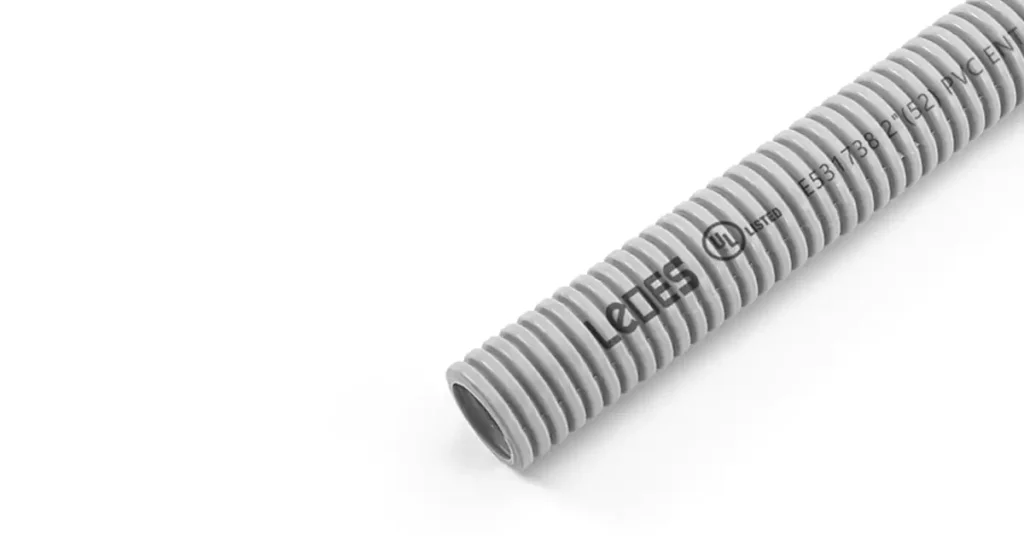
When it comes to electrical installations, it is crucial that PVC conduits meet stringent standards to ensure safety, durability, and performance. These standards are set by various organizations across the globe, each with its own set of regulations to govern PVC conduit performance in different environmental conditions. Below, we’ll summarize the key codes for PVC conduits in America, Canada, and Australia.
- UL 651: This standard covers Schedule 40 and 80 Rigid PVC Conduit for use in electrical wiring. It specifies requirements for strength, flame resistance, and other physical properties to ensure safety in installations.
- UL 1653: This standard applies to Electrical Nonmetallic Tubing (ENT), not rigid PVC conduit. It specifies construction and performance requirements for ENT systems used in electrical installations.
참고사항: If you would like to learn more about UL 651 standards for rigid PVC conduit 그리고 UL 1653 standards for ENT tubing, 마지막 게시물을 읽어보세요.
- CSA C22.2 No.211.2: This standard is for Rigid PVC Conduit. It sets the guidelines for the construction, performance, and testing requirements of PVC conduit used for electrical installations in Canada.
- CSA C22.2 No.211.1: This standard applies to EB1, DB2/ES2 PVC Conduit. It defines the material and performance characteristics for these specific PVC conduit types, ensuring they meet fire, mechanical, and weather resistance requirements.
전문가 팁: Learn more about CSA standard requirements for Rigid conduit in our last post.
- AS/NZS 2053.1: This is the General Requirements Standard for PVC conduit and fittings in Australia and New Zealand. It outlines the overall specifications for materials, dimensions, and installation guidelines.
- AS/NZS 2053.2: This standard addresses Rigid Plain Conduits and Fittings, focusing on their construction, performance, and testing requirements for electrical installations.
- AS/NZS 2053.5: This standard applies to Corrugated Conduits and Fittings and covers the specifications for flexible PVC conduit used in electrical installations, ensuring durability and safety
For more detailed information about these codes, refer to our previous articles where we explore the standards for PVC conduits in depth.
참고사항: Want to learn more about AS/NZS 2053 standard? Click here to read the Ultimate Guide to AS/NZS 2053.
Electrical Code for LSZH Conduit | |
IEC 61386-1, -21, -23 | International standards that specify mechanical and electrical performance requirements for conduits (including LSZH conduit). |
EN 50276-2 | A test method for acidity and corrosiveness of gases released during the combustion. |
IEC 60754-1 | A test method for determining the amount of halogen acid gases released during the combustion. |
IEC 60754-2 | Test of acidity (pH) and conductivity of gases released during the combustion. |
IEC 61034-2 | Measures the smoke density generated when conduits burn under controlled conditions. |
ASTM E662-17a | Test for specific optical density of smoke produced by solid materials. |
ISO 4589-2 | Test method for determining the burning behaviour by oxygen index. |
UL 94 | Tests for different flammability ratings of plastic materials |
UL1685 | Evaluate the flame propagation and smoke release of conduits, including UL flame exposure test and FT4/IEEE 1202 flame exposure test.. |
NFPA 130 | Specifies the fire protection and life safety requirements for components of rail transit systems. |
Electrical Code for PVC Conduit | |
UL651 | Specifies the requirements of dimensions, mechanical strength and other performance for Schedule 40/80 PVC conduits and fittings. |
UL1653 / CSA C22.2 No.227.1 | Specifies construction and performance requirements for ENT systems. |
CSA C22.2 No.211.2 / CSA C22.2 No.211.1 | Specifies construction, performance, and testing requirements for rigid PVC conduit and DB/ES, EB type of conduits. |
AS/NZS 2053.1, .2, .5 | Specifies materials, dimensions, and performance for PVC conduits and fittings in Australia and New Zealand. |
국제전기기술자협회(IEC) 61386 | Specifies the construction and performance for conduits (including PVC conduit) |
The durability and lifespan of an electrical conduit depend on its ability to withstand environmental exposure, mechanical stress, and aging factors. LSZH and PVC conduits differ significantly in their long-term performance under different conditions.
- LSZH 도관 is designed for long-term durability in demanding environments, such as railway tunnels, industrial plants, and solar applications. It is highly resistant to UV exposure, ensuring minimal degradation when installed outdoors. Its material composition also prevents brittleness in extreme cold and softening in high heat, allowing LSZH conduit to maintain its structural integrity across a wide temperature range (-45°C to 150°C).
- PVC 도관, while widely used for general electrical applications, is more susceptible to environmental aging. Standard rigid PVC can become brittle under prolonged UV exposure, leading to cracking if not properly protected. But some rigid conduit can also be designed to be UV resistance. Additionally, in extreme cold (below -25°C), PVC becomes fragile, increasing the risk of impact-related breakage. At higher temperatures, above 90°C, PVC may soften and deform, limiting its lifespan in applications with high thermal exposure.
- LSZH 도관 offers superior impact and compression resistance, with heavy-duty types rated at 1250N/5cm and medium-duty types at 750N/5cm. This high mechanical strength makes LSZH conduits ideal for harsh environments where physical stress, pressure, or vibrations occur, such as railway transit systems, underground installations, and areas with heavy foot or vehicle traffic.
- PVC 도관, also provide strong mechanical strength. Especially that Schedule 80 PVC conduit offers excellent impact resistance and strength, higher than standard Schedule 40 and even heavy duty LSZH conduit. But PVC is prone to cracking under sudden impacts in colder environments. Its long-term durability depends heavily on installation conditions, such as protection from mechanical stress, temperatures and proper burial depth in underground applications.
- LSZH 도관 has an estimated lifespan of 30+ years in controlled environments, such as railway systems, underground facilities, and protected outdoor applications. Its resistance to UV damage, extreme temperatures, and mechanical stress ensures stable long-term performance.
- PVC 도관 can last anywhere from 30 to 50 years, depending on exposure and environmental conditions. Buried PVC conduits, protected from UV exposure and mechanical damage, may last over 50 years, whereas exposed PVC conduits without UV protection can degrade in as little as 10-15 years.
When selecting between LSZH and PVC conduit, installation and maintenance are important factors that affect labor costs, ease of use, and long-term reliability. Both conduit types have their own set of handling, flexibility, and maintenance requirements, which influence their suitability for different applications.
- LSZH conduit is generally lighter than rigid PVC conduit, reducing the load on structural supports and making it easier to transport and install in elevated or suspended applications.
- PVC conduit is heavier, particularly in Schedule 80 variants, which can make handling and transport more challenging, especially in large installations. However, its rigidity offers stability in above-ground and underground installations.
- LSZH conduit requires minimal maintenance, as it is resistant to UV degradation, temperature fluctuations, and fire-related damage. This makes it ideal for installations where long-term reliability is a priority, such as transit systems and data centers.
- PVC conduit, unless UV-stabilized, can degrade over time when exposed to sunlight, leading to brittleness and reduced mechanical integrity.
- Underground installations for both LSZH and PVC require periodic inspection to check for shifting, moisture ingress, or mechanical stress.
In high-temperature or chemically aggressive environments, LSZH conduit is often preferred due to its enhanced material durability and halogen-free composition.
- LSZH conduit is specifically designed for environments requiring low smoke and halogen-free materials, making it a preferred choice for transit systems, data centers, and nuclear facilities.
- PVC conduit is widely accepted in standard electrical installations but may not be suitable for fire-sensitive areas unless additional fireproofing measures are applied.
특징 | LSZH 도관 | PVC 도관 |
Weight & Installation | Lighter, easier to handle and install | Heavier, harder to install especially for Schedule 80 |
자외선 저항성 | High, minimal degradation | Requires UV protection for outdoor use |
Fire Safety | Preferred in fire0sensitive environments | Acceptable in standard electrical installations |
Long-term Maintenance | Lower maintenance, durable over time | May require UV protection and may crack in lower temperatures |
When evaluating LSZH and PVC conduits, their impact on the environment, human health, and fire safety must be considered. LSZH is designed to minimize toxic emissions and environmental hazards, while PVC, though widely used, raises concerns due to its chlorine-based composition and disposal challenges.
LSZH 도관:
- LSZH (Low Smoke Zero Halogen) does not contain chlorine, fluorine, bromine, or iodine, meaning no toxic halogen gases are released during combustion.
- In the event of a fire, LSZH produces minimal smoke and lower levels of toxic gases, reducing risks of suffocation and increasing evacuation time.
- LSZH conduits significantly improve air quality in enclosed spaces, making them ideal for rail transit, tunnels, hospitals, and data centers.
PVC 도관:
- PVC contains chlorine, which, when burned, can release hydrogen chloride (HCl) and dioxins, both of which are hazardous to human health and the environment.
- Hydrogen chloride gas is highly corrosive and can cause severe respiratory irritation, while dioxins are persistent environmental pollutants (PEPs) linked to long-term ecological damage.
- In fires, PVC conduits produce dense smoke, which can impair visibility and hinder emergency response efforts.
- LSZH conduits contribute to improved fire rescue conditions by reducing smoke density and toxic gas buildup, allowing emergency personnel to operate more effectively.
- In enclosed environments (e.g., railway tunnels, aircraft, nuclear plants, and submarines), LSZH is preferred to minimize risks associated with smoke inhalation and toxic gas exposure.
- PVC conduit, unless specially treated, may release thick smoke and toxic compounds, which can compromise evacuation routes and slow down rescue operations.
LSZH Conduit: Limited Recycling Options
LSZH materials do not contain halogens or heavy metals, reducing environmental contamination at disposal.
However, LSZH plastics are more difficult to recycle due to their specialized composition, often requiring controlled disposal methods.
Unlike PVC, LSZH does not emit harmful dioxins when incinerated, making thermal disposal a safer option.
PVC Conduit: Recycling Limitations & Dioxin Risks
PVC can be mechanically recycled, but only a small percentage of PVC waste is actually recycled due to contamination risks.
When incinerated, PVC releases toxic dioxins, contributing to long-term environmental pollution.
Landfilling PVC waste poses risks as plasticizers and chlorine-based additives can leach into the soil and water systems, affecting ecosystems.
- LSZH conduit aligns with modern sustainability goals, especially in industries prioritizing low-toxicity materials and reduced carbon footprints.
- PVC conduit remains widely used due to its durability and cost-effectiveness, but its environmental drawbacks are pushing industries toward greener alternatives.
- Regulations are increasingly favoring halogen-free materials, making LSZH a future-proof choice in environmentally conscious infrastructure projects.
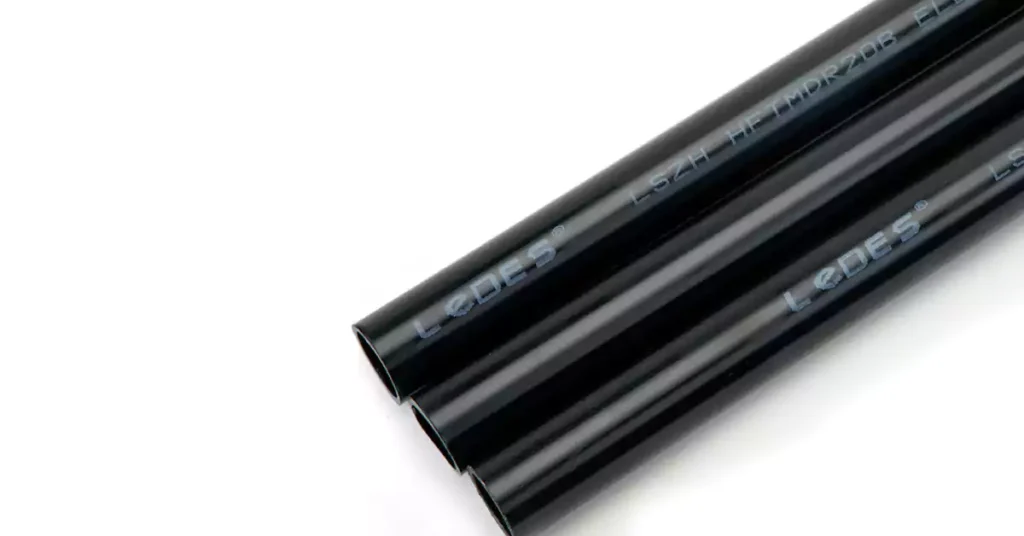
Both LSZH and PVC conduits must comply with specific marking requirements as defined by their respective standards. Markings ensure that the conduits are properly identified for compliance, installation suitability, and traceability. These markings generally include standard references, manufacturer information, size, type, and application-specific ratings.
Follow are some common marking requirements for them:
The phrase “rigid PVC conduit”
Schedule rating: Schedule 40 or 80
The complied standard
The trade size of the conduit product
The name or trademark of the manufacturer
The date or other dating period of manufacture
For Schedule 40 and 80 rigid PVC conduit that intended to used with 90 Degrees Celsius wires, should include “maximum 90°C wire” or “max 90°C”.
The phrase “LSZH or LSOH conduit”
The complied standard
도관의 크기
The name or trademark of the manufacturer
Mechanical strength, such as “MD or HD”
Flammability rating: UL94 V-0 or 5VA
온도 범위
제조일자
Choosing the right conduit for an electrical system is crucial for safety, compliance, and long-term performance. LSZH (Low Smoke Zero Halogen) conduit is specifically designed for fire-sensitive environments where toxic smoke and halogen emissions could endanger lives and damage critical infrastructure.
LSZH conduit is the preferred choice in areas where fire safety, low toxicity, and minimal smoke production are essential. These environments include:
- Rail & Metro Systems – Underground train tunnels, subway stations, and elevated railways require LSZH conduit to comply with NFPA 130 and international transit safety standards. Ledes LSZH conduit was successfully deployed in the Melbourne Metro Tunnel Project, where strict fire and smoke regulations were enforced to protect passengers and infrastructure.
- Airports & Aviation Facilities – Enclosed airport terminals, control towers, and baggage handling areas need LSZH conduit to minimize smoke and toxic gas exposure in the event of a fire.
- Underground Tunnels & Enclosed Spaces – Locations with limited ventilation, such as utility tunnels and mines, benefit from LSZH conduit since it reduces smoke density and allows for better evacuation visibility.
- Hospitals & Healthcare Facilities – In medical environments, toxic halogen gas from burning PVC conduit could pose serious health risks to patients and sensitive medical equipment. LSZH conduit ensures a safer alternative that meets strict fire and safety codes.
- 데이터 센터 및 IT 인프라 – With the increasing reliance on cloud computing and critical digital infrastructure, data centers require fire-safe and non-corrosive conduit solutions. LSZH conduit prevents damage to expensive servers and network systems by reducing acidic gas emissions that could corrode electronic components.
- Electric Vehicle Charging Stations & Renewable Energy Projects – The growth of EV infrastructure and renewable energy demands safe, fire-resistant conduit systems. LSZH conduit is an excellent choice for EV charging hubs, solar farms, and wind power stations, where electrical safety and long-term reliability are key considerations.
Regulatory compliance plays a critical role in determining whether LSZH conduit is necessary. Many national and international standards specify LSZH conduit for fire-sensitive applications:
- NFPA 130 (Rail Transit Fire Safety Standard) – Requires the use of LSZH materials in enclosed railway systems.
- IEC 61386 (Conduit System Standards) – Defines LSZH performance requirements, including smoke density, halogen content, and fire resistance.
- EN 50267 (Toxicity & Corrosiveness Testing) – Ensures LSZH conduit meets low-emission and non-corrosive standards.
- UL 94 V-0 / 5VA (Flammability Rating) – Confirms superior fire resistance of LSZH conduit compared to traditional PVC.
In high-risk environments, the choice between LSZH and PVC conduit is clear: LSZH conduit provides superior fire safety, lower toxicity, and better protection for both people and equipment.
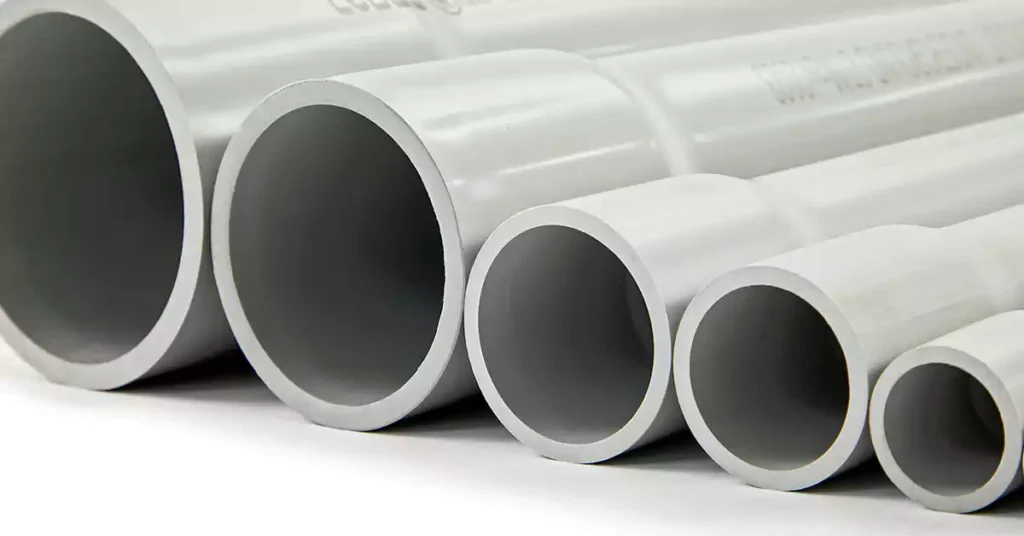
While LSZH conduit is ideal for high-risk environments, PVC conduit remains the most commonly used option for general electrical installations due to its affordability, versatility, and ease of installation. PVC conduit is the best choice when fire safety requirements are less stringent, and cost efficiency is a priority.
PVC conduit is widely used in standard industrial, commercial, and residential electrical systems where fire safety, toxicity, and smoke production are not primary concerns. These include:
Commercial & Residential Electrical Wiring – PVC conduit is commonly used for home wiring, office buildings, and retail spaces, providing an economical and easy-to-install solution. It is particularly effective in drywall installations, concrete embedding, and above-ground conduit runs.
Industrial Facilities & Warehouses – In manufacturing plants, warehouses, and large-scale storage units, PVC conduit is an excellent choice for general electrical protection in areas that do not require halogen-free materials.
Outdoor & Utility Installations – PVC conduit is suitable for outdoor electrical runs, solar installations, and telecommunications infrastructure, thanks to its UV-resistant and corrosion-resistant properties. However, in extreme high-heat environments, alternative materials like HDPE or LSZH may be preferred.
Underground & Direct Burial Applications – Rigid PVC conduit, including DB2, EB1, and Schedule 40/80, is a popular option for direct burial installations in commercial, residential, and industrial projects. It offers excellent resistance to moisture, soil chemicals, and mechanical damage when installed with proper fittings.
PVC conduit is significantly more cost-effective than LSZH conduit, making it the preferred choice for projects that prioritize affordability over fire performance.
Lower Material & Installation Costs – Compared to LSZH conduit, PVC conduit is cheaper per unit and does not require specialized fittings or installation techniques.
Availability – PVC conduit is widely available, making it a practical choice for large-scale projects that require fast procurement.
However, in environments where fire safety, toxicity, and smoke production are critical concerns, LSZH conduit is the better option despite the higher cost.
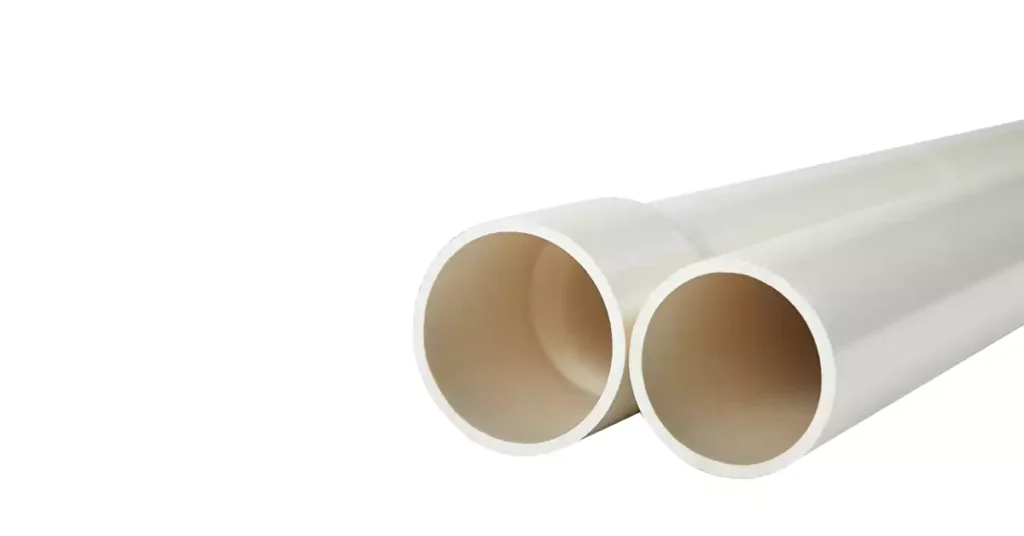
Selecting the appropriate conduit depends on several factors, including budget, safety requirements, installation environment, and regulatory compliance. Each project has unique demands, and understanding these considerations will help in making an informed choice between LSZH and PVC conduit.
Key Factors to Consider:
If the project is in a high-risk environment where fire safety is a priority (e.g., tunnels, railways, data centers, or hospitals), LSZH conduit is the better choice due to its low smoke and halogen-free properties. PVC conduit may be sufficient for general applications where fire risk is minimal.
LSZH conduits generally cost more than PVC due to their specialized materials and fire-resistant properties. For cost-sensitive projects that do not require high fire safety compliance, PVC is often preferred.
LSZH is the more environmentally friendly option, as it does not release toxic halogens or corrosive gases during combustion. If sustainability and reduced emissions are priorities, LSZH is the better choice. However, PVC offers better recyclability in controlled conditions.
Outdoor installations exposed to direct sunlight and varying temperatures require UV-resistant conduit. In enclosed spaces with limited ventilation, LSZH is recommended to reduce toxic emissions in case of a fire.
For areas facing high stresses and forces, Schedule 80 PVC conduit may be more suitable. Heavy duty LSZH conduit, while offering high mechanical strength as well, but not as good as Schedule 80 under normal installation temperatures.
Ensure the conduit meets local codes and standards (e.g., UL, CSA, AS/NZS) based on regional and industry-specific requirements. Certain industries, such as transportation systems and hospitals, may mandate LSZH use.
By carefully assessing these factors, project planners and engineers can make the best decision on whether LSZH or PVC conduit is the most suitable option for their specific application.
Choosing between LSZH conduit and PVC conduit ultimately comes down to understanding the specific needs of your project.
Throughout this article, we explored their key differences — from toxicity and fire safety, durability and lifespan, installation and maintenance considerations, to their environmental impact and compliance with various codes and standards.
In short:
- LSZH 도관 excel in environments where fire safety, low toxic emissions, and strict regulatory compliance are top priorities — such as subways, tunnels, hospitals, airports, and data centers.
- PVC 도관, on the other hand, are a great solution for standard industrial, commercial, and residential applications, offering cost-effective and easy-to-install options where fire risk is lower.
Final Recommendation:
Always align your conduit choice with your project’s safety requirements, environmental goals, budget constraints, and regulatory needs. Selecting the right type will not only ensure long-term performance but also significantly improve overall project safety.
Need help choosing the right conduit?
Feel free to contact us to request product catalogs, technical support, and competitive quotations.
We are happy to assist you with selecting the most suitable solutions for your specific project needs!
자주 묻는 질문
LSZH 전선관과 PVC 전선관의 차이점은 무엇인가요?
To have a more clear understanding of the differences between LSZH and PVC conduit, here is the comparison table for reference:
LSZH Vs PVC Conduit Table
특징 | LSZH 도관 | PVC 도관 |
Smoke and Toxicity | Releases low smoke and non-halogenated gases during fire, safer for evacuation and rescue. | Can release toxic and corrosive gases (like hydrogen chloride) during combustion. |
Ideal Applications | Used in high-safety environments like airports, tunnels, hospitals, data centers, and railways. | Suitable for general industrial, commercial, and residential projects. |
Environmental Impact | Halogen-free, helps reduce environmental pollution. | Contains chlorine; incineration can produce dioxins. |
내구성 | Strong impact resistance, compression strength, and wide temperature tolerance. | Excellent mechanical performance; needs UV protection and thermal expansion considerations outdoors. |
비용 | Generally higher cost due to material and performance advantages. | More affordable, ideal for cost-sensitive projects without strict fire safety needs. |
Standards Compliance | Meet strict standards of smoke, fire and other performance requirements, such as IEC 61386, IEC 60752, ASTM E662, UL 94, UL1685, NFPA 130 etc. | Certified under standards like UL651, CSA C22.2 No.211.2, IEC 61386, AS/NZS 2053 and other standards that required by local codes. |
LSZH 전선관과 PVC 전선관을 함께 사용할 수 있습니까?
Technically, yes — but it depends on the project requirements and safety standards.
- Fire Safety and Compliance:
In critical environments (like tunnels, airports, hospitals), mixing LSZH and PVC is usually not recommended. Many fire safety codes require the entire system — including conduits, fittings, and cables — to meet low-smoke, halogen-free standards. Using PVC alongside LSZH could compromise the overall fire performance and regulatory compliance. - Standard Industrial or Commercial Projects:
In less critical projects (like general commercial buildings or factories), using LSZH and PVC together is possible if the system does not have strict halogen-free requirements. For example, you might use LSZH conduit in sensitive areas (e.g., server rooms) and PVC elsewhere to save costs.
- Practical Considerations:
Connection compatibility: LSZH and PVC conduits typically use different formulations, but dimensions can be similar, especially when following standards like UL or CSA. Standard PVC fittings might physically fit LSZH conduits and vice versa, but check material compatibility if high mechanical strength or long-term sealing is important.
System Integrity: Mixing different material properties (thermal expansion, chemical resistance) could cause issues over time, especially in outdoor or extreme environments.
결론
If your project prioritizes fire safety, toxicity control, or must follow strict codes (e.g., NFPA 130 for transit tunnels), don’t mix LSZH with PVC — stick with full LSZH systems.
If your project has no halogen-free requirements and budget optimization is important, mixing may be acceptable — but it should be clearly documented and approved by the engineering team
LSZH가 PVC보다 항상 더 좋은가요?
Not always — it really depends on the project’s needs. Here’s a simple breakdown:
- Depends on the Application: LSZH conduit excels in environments where fire safety and low toxicity are critical, such as tunnels, hospitals, airports, and data centers. However, in open areas or projects without strict fire safety demands, PVC conduit is often a more practical and cost-effective choice.
- Fire and Smoke Performance: LSZH conduit produces far less smoke and no halogen gases when exposed to fire, making it safer for people and sensitive equipment during an emergency. PVC, on the other hand, can release dense smoke and corrosive gases when burning.
- 비용 고려 사항: LSZH conduit is usually more expensive than standard PVC conduit. For projects with tight budgets and less critical fire safety needs, PVC can be the more economical option.
- Durability and Environmental Factors: Both materials are durable, but they have different strengths. For extreme temperatures, LSZH performs better than PVC. LSZH is especially chosen for its low-toxicity fire behavior and weathering performance, while PVC is often choose for installations where face high external forces, especially Schedule 80 rigid PVC conduit.
참고문헌:
IEC 61386-1: Conduit systems for cable management – Part 1: General requirements
UL Combustion (Fire) Tests for Plastics
UL 1685 – Smoke-Release Test for Cables and Conduit
IEEE Standard for Flame-Propagation Testing of Wire and Cable
NFPA 130: Standard for Fixed Guideway Transit and Passenger Rail Systems