콘텐츠로 건너뛰기
목차
전 세계적으로 전기 자동차(EV)로의 전환이 가속화됨에 따라 안정적이고 효율적이며 안전한 EV 충전 인프라에 대한 필요성도 증가하고 있습니다. 모든 고성능 충전소의 핵심에는 종종 간과되지만 필수적인 요소인 전기 배관이 있습니다. 케이블을 보호하는 통로 역할을 하는 적절한 배관은 물리적 손상, 날씨 및 자외선 노출로부터 배선을 보호할 뿐만 아니라 전기 규정 및 표준을 준수하도록 보장합니다.
전기차 충전소의 경우, 배관 선택은 단순히 맞는 파이프를 고르는 문제가 아니라 성능, 안전, 규제 요건 및 장기적인 적응성을 균형 있게 고려해야 합니다. 잘못된 유형의 배관을 사용하면 비용이 많이 드는 수리, 규정 위반 또는 충전 효율 저하로 이어질 수 있습니다.
이 글에서는 전기차 충전 시설에 적합한 전기 배관을 선택하는 데 필요한 핵심 사항들을 안내합니다. 시공업자, 시설 관리자, 전기차 인프라 설계자 등 누구든 이 글을 통해 다음 내용을 배우게 될 것입니다.
- 충전소의 신뢰성과 안전성에 있어 전선관이 중요한 역할을 하는 이유는 무엇일까요?
- 전기차 충전용 배관 설치 요건이 일반 주택 전기 설비와 어떻게 다른가
- 다양한 전기차 충전 수준에 가장 적합한 전선관 유형
- 환경, 부하 및 향후 확장성을 기반으로 정보에 입각한 선택을 하는 방법
- 시스템 수명 연장을 위한 실용적인 설치 및 유지 관리 팁
전기차 충전 이해하기
전기차 충전이란 무엇인가요?
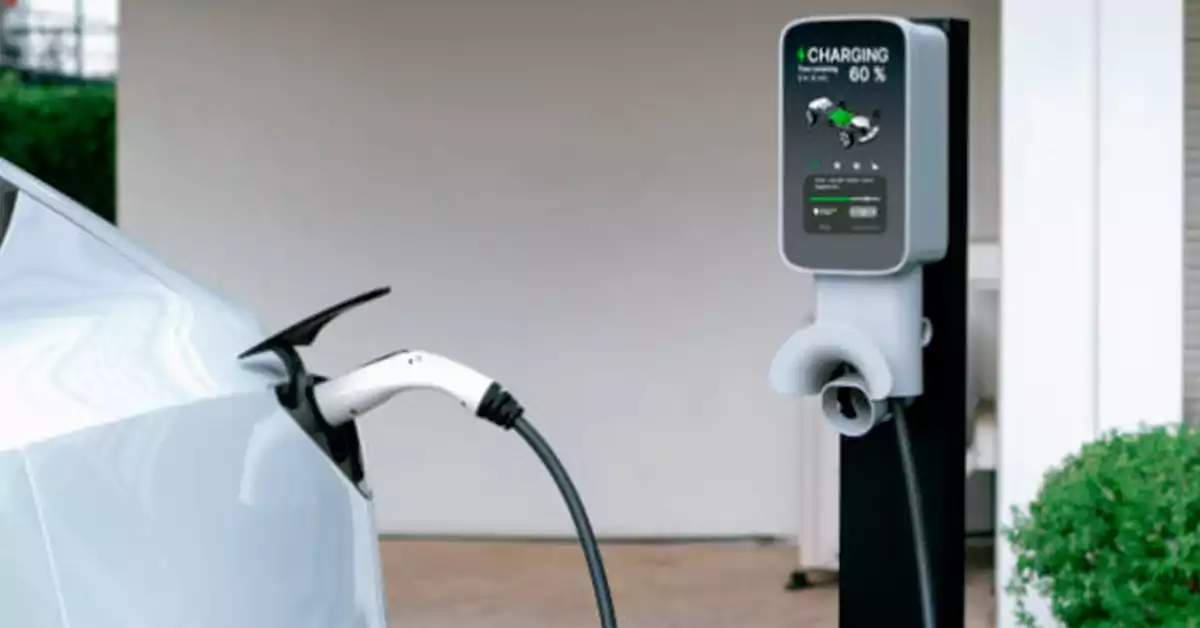
전기차 충전은 전력원에서 전기차 배터리로 전기 에너지를 전달하여 저장된 에너지를 보충하는 과정입니다.
이는 전기차 충전 장비(EVSE), 즉 일반적으로 충전소라고 불리는 장치를 통해 이루어지며, 이 장치는 다음과 같은 기능을 제공합니다.
- 안전한 전기 연결 전력망과 전기차 사이에.
- 제어 및 모니터링 기능 충전량을 조절하기 위해.
- 보호 기능 과전류 보호, 접지 오류 감지, 차량 내장 시스템과의 통신 등이 포함됩니다.
전기차 충전에는 교류(AC) 또는 직류(DC) 전원을 사용할 수 있습니다.
- AC 충전 (레벨 1 및 레벨 2)는 전기차의 내장 충전기를 사용하여 전력망의 교류를 배터리 저장용 직류로 변환합니다.
- DC 고속 충전 차량 내장 충전기를 우회하여 외부 충전기를 통해 배터리에 직류 전원을 직접 공급함으로써 훨씬 빠른 충전이 가능합니다.
북미의 전기차 충전 현황
전기차 충전은 크게 세 가지 레벨로 표준화되어 있으며, 각 레벨은 전압, 전류 및 충전 속도 특성이 다릅니다.
충전 레벨 | 전압 | 일반적인 전류 | 전력 출력 | 충전 속도 | 일반적인 사용 사례 |
레벨 1 (AC) | 120V (단상) | 12~16세 | 약 1.4~1.9kW | 시간당 약 2~5마일의 주행 가능 거리 | 일반 콘센트를 이용한 가정용 충전; 야간에 천천히 충전 |
레벨 2 (AC) | 208~240V (단상) | 16–80 A | 약 2.5~19.2kW | 시간당 약 12~80마일의 주행 가능 거리 | 주택, 직장, 상업용 주차장, 차량 보관소 |
DC 고속 충전(DCFC) | 400~1000V DC | 50~500 Å (위치에 따라 다름) | ~50~350kW 이상 | 20~40분 만에 60~200마일 이상을 주파할 수 있습니다. | 고속도로, 교통량이 많은 소매점, 차량 운행, 공공 |
메모: 충전 속도는 차량 배터리 용량, 수용률 및 충전 상태에 따라 달라지며 실제 결과는 다를 수 있습니다.
전기차 충전은 일반 가정용 전기 사용과 어떻게 다를까요?
전기차 충전, 특히 레벨 2 및 DCFC 충전은 일반 가정용 전기 부하와는 상당히 다릅니다.
1. 지속적인 고부하
전기차 충전기는 일반적으로 NEC(미국 전기 규격) 정의에 따라 연속 부하로 취급되며, 이는 3시간 이상 작동할 것으로 예상된다는 의미입니다. 따라서 전선 크기 선정, 정격 출력 저하 및 전선관 충진량 고려 사항에 영향을 미칩니다.
2. 더 큰 도체 및 전선관 크기
레벨 2 및 DCFC는 종종 더 굵은 전선(예: #6 AWG 이상)을 필요로 하며, 여러 개의 병렬 배선이 필요한 경우도 있는데, 이는 전선관 직경과 굽힘 반경에 직접적인 영향을 미칩니다.
3. 실외 및 가혹한 환경
많은 변전소는 옥외에 위치하여 자외선, 비, 눈, 제빙염, 기름, 기계적 손상 등에 노출되므로 내후성 및 내식성이 뛰어난 전선관 재료가 필요합니다.
4. 복잡한 경로
설치 작업에는 굴착, 주차장 횡단 또는 지하 배관 작업이 포함될 수 있으며, 이로 인해 매설 깊이 요구 사항과 특수 부품이 필요할 수 있습니다.
5. 데이터 및 전력 분리
최신 전기차 충전기는 네트워크 및 제어 케이블을 포함하고 있으며, 규정 준수 및 간섭 감소를 위해 전력 도체와 별도의 배관이 필요할 수 있습니다.
6. 미래 확장성
대부분의 가정용 배선과는 달리 전기차 충전 인프라는 시간이 지남에 따라 확장되는 경우가 많으므로 처음부터 여분의 전선관 용량을 확보해 두면 향후 상당한 비용을 절감할 수 있습니다.
전기차 충전에서 도관의 역할
전기차 충전소에서 전선관은 전력 및 데이터 케이블 모두를 보호하고 정리하는 통로 역할을 하여 다음과 같은 사항을 보장합니다.
- 기계적 보호 차량, 보행자 및 환경적 위험 요소로부터.
- 환경 저항성 자외선, 부식, 습기 및 극한 온도에 강합니다.
- 코드 준수 도체 충진율, 굽힘 반경, 매설 깊이 및 인증/표시에 사용됩니다.
- 서비스 가능성 - 설치된 설비를 방해하지 않고 전선을 교체하거나 업그레이드할 수 있습니다.
- 분리 고전압 전력 회로 및 저전압 통신 회로.
- 미래 대비 추가 또는 더 큰 도체를 위한 공간을 제공함으로써.
전기차 충전소에서 전선관 선택이 중요한 이유
- 열 관리: 지속적으로 부하가 걸리는 대형 도체는 더 많은 열을 발생시키며, 재질 유형, 크기 및 설치 방법은 냉각에 영향을 미칩니다.
- 내구성: 옥외 환경에서는 자외선 차단, 부식 방지 및 충격 방지 기능이 있는 전선관이 필요합니다.
- 설치 효율성: 적절한 크기와 굽힘 형상은 작업 시간과 당기는 어려움을 줄여줍니다.
- 확장성: 크기가 크거나 여분의 전선관은 새로운 굴착 작업 없이 향후 업그레이드를 지원합니다.
- 규제 승인: 적절하게 등록 및 표시된 전선관을 사용하면 검사 및 승인이 간소화됩니다.
전기차 충전소에 사용되는 일반적인 전선관 4가지 유형
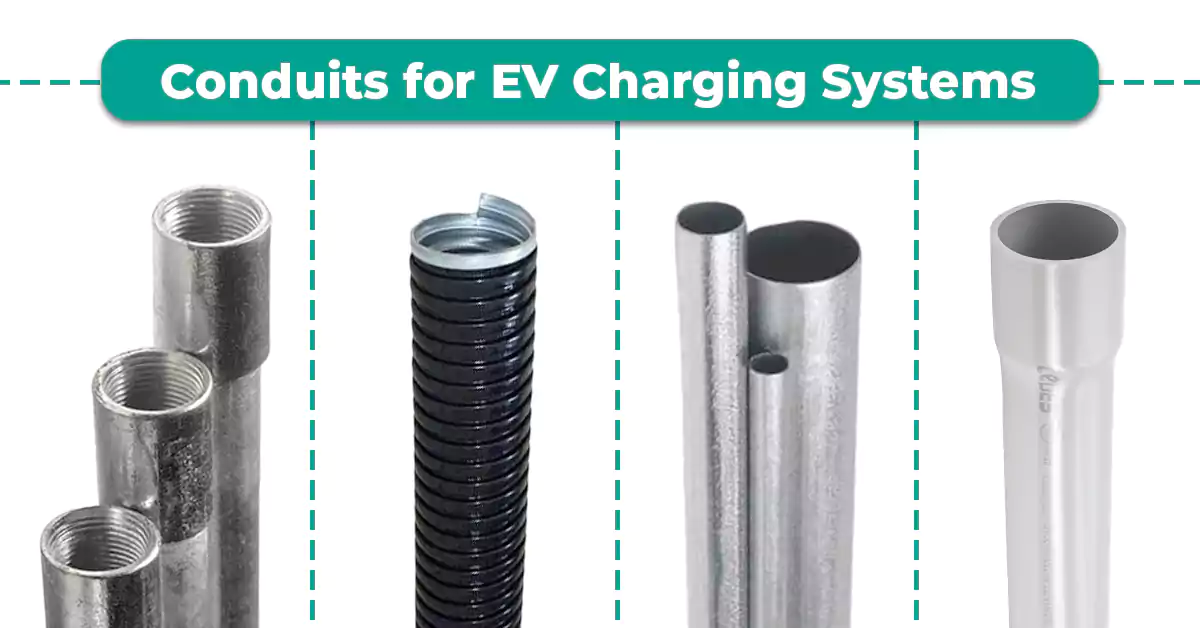
적합한 전선관을 선택하려면 먼저 사용 가능한 재료와 전기차 충전 설비에서의 성능을 이해해야 합니다. 각 유형은 설치 장소(실내, 실외, 지하 또는 가혹한 환경 노출 여부)에 따라 고유한 장점과 한계를 가지고 있습니다. 아래는 전기차 충전 인프라에 가장 일반적으로 사용되는 전선관 종류입니다.
1. PVC 전선관 (경질 PVC / 스케줄 40 및 스케줄 80)
가볍고 비금속성이며 부식에 강한 폴리염화비닐(PVC) 재질의 전선관입니다.
강점:
뛰어난 부식 및 화학 물질 저항성.
실외 노출용 자외선 차단 버전도 제공됩니다.
가볍고 자르기 및 설치가 쉽습니다.
비용 효율적입니다.
제한 사항:
강철보다 충격 저항성이 낮습니다.
옥외 주행 시에는 열팽창을 관리해야 합니다.
전기차 충전에 가장 적합한 솔루션:
지하 매설, 옥외 받침대 설치 및 내식성이 매우 중요한 환경에 적합합니다.
스케줄 80 PVC 파이프 기계적 보호가 필요한 지역(예: 진입로 근처 지상)에 사용을 권장합니다.
2. EMT(전기 금속 튜브)
얇은 벽의 강철 전선관으로, 부식 방지를 위해 아연 도금 처리되는 경우가 많습니다.
강점:
충격으로부터 우수한 물리적 보호 기능을 제공합니다.
일반적인 공구로 쉽게 구부릴 수 있습니다.
전도성이 있어 장비 접지 도체(EGC) 역할을 할 수 있습니다.
제한 사항:
실외/습한 환경에서는 적절한 코팅이나 처리를 하지 않으면 부식되기 쉽습니다.
PVC보다 무거워 설치에 더 많은 노동력이 필요합니다.
전기차 충전에 가장 적합한 솔루션:
실내 차고, 지붕이 있는 충전소, 습기에 노출이 적은 장소.
3. RMC(강성 금속 전선관) 및 IMC(중간 금속 전선관)
두꺼운 벽(RMC) 또는 중간 두께 벽(IMC)을 가진 고강도 강철 전선관.
강점:
최대한의 기계적 보호 기능.
노출이 심하고 통행량이 많은 구역에 사용하기에 내구성이 뛰어납니다.
탁월한 접지 도체입니다.
제한 사항:
설치 비용이 비싸고 노동 집약적입니다.
헤비급 선수.
보호 코팅이 없으면 가혹한 실외 환경에서 시간이 지남에 따라 부식될 수 있습니다.
전기차 충전에 가장 적합한 솔루션:
물리적 손상 위험이 높은 지역(예: 공용 주차장, 차량 보관소).
보안 및 안정성 강화가 필요한 사이트.
4. 방수형 연성 전선관(LFMC/LFNC)
금속(LFMC) 및 비금속(LFNC) 재질로 제공되는 유연 전선관으로 방수 외피가 적용되어 있습니다.
강점:
물, 기름, 화학 물질로부터 보호해줍니다.
짧은 구간, 연결 또는 장비 종단 작업에 적합합니다.
진동이 심한 설치 환경에 적합합니다.
제한 사항:
장거리 배선에는 권장하지 않습니다 (비용이 더 많이 들고 전선 인입이 더 어렵습니다).
별도로 명시되지 않은 경우, 일부 유형의 자외선 차단 기능은 제한적입니다.
전기차 충전에 가장 적합한 솔루션:
특히 옥외 또는 습한 환경에서 경질 전선관과 충전 장비 사이의 짧은 연결.
도관 요약표
도관 유형 | 재료 | 강점 | 제한 사항 | 전기차 충전 분야 최고의 애플리케이션 |
비닐 | 강성 PVC | 내식성, 경량성, 비용 효율성, 자외선 차단 기능 등을 갖춘 다양한 옵션 | 열팽창으로 인해 충격에 대한 저항력이 떨어짐 | 지하 배관, 옥외 받침대, 노출 구역용 Schedule 80 |
RMC / IMC | 두꺼운 강철 | 최대 강도, 보안, 접지 | 비용이 많이 들고, 노동 집약적이며, 부식 위험이 있습니다. | 공공장소/유동인구가 많은 지역, 차량 보관소 |
응급구조사 | 얇은 벽 강철 | 우수한 충격 보호, 쉬운 굽힘, 접지 | 옥외 사용 시 부식 발생 가능성 높음, 설치 시 하중 증가 | 실내 주차장, 지붕이 있는 충전 시설 |
LFMC / LFNC | 유연한 금속/비금속 | 방수, 내화학성, 유연한 단자 연결 | 장거리 달리기에는 적합하지 않으며, 자외선 차단 기능이 제한적입니다. | 장비 연결, 야외 단거리 배선 |
전기차 충전소에 적합한 배관 선택 방법
전기차 충전 프로젝트에 적합한 전선관을 선택하는 것은 단순히 가장 튼튼하거나 저렴한 옵션을 고르는 것이 아니라, 프로젝트의 전기적 요구 사항, 주변 환경, 그리고 미래의 필요에 맞는 전선관 유형을 선택하는 것입니다. 아래는 전선관 선택 시 고려해야 할 중요한 요소들입니다.
1. 전기 부하 및 열 관리
고출력 충전기, 특히 레벨 2 및 DC 고속 충전기는 큰 전류를 흘려 상당한 열을 발생시킵니다. 따라서 배관은 열 방출을 원활하게 하고 과열을 방지해야 합니다.
금속 전선관(RMC/IMC): 뛰어난 열전도율로 열을 효과적으로 발산하고 고부하 설비에서 내화성을 제공합니다.
비금속 전선관(PVC/HDPE): 적당한 부하에는 적합하지만 과열을 방지하고 안전한 전류 용량을 확보하려면 적절한 크기로 선택해야 합니다.
2. 환경적 노출
전기차 충전용 배관은 습기, 자외선, 부식성 환경에 노출되는 실외에 설치되는 경우가 많습니다.
경질 PVC(UV 차단): 습기와 햇빛에 대한 저항성이 뛰어나 실외 및 지하 사용에 적합합니다.
유리섬유 또는 HDPE: 부식이 우려되는 해양 환경이나 화학적으로 부식성이 강한 지역에 적합합니다.
맨 강철: 부식성 환경에서는 적절한 코팅이 되어 있지 않으면 사용을 피해야 합니다.
3. 물리적 손상 방지
충전소는 주차장이나 공공장소에 설치되는 경우가 많아 물리적 파손 위험이 높아집니다.
스케줄 80 PVC 또는 RMC: 차량 통행이 잦거나 기계적 충격 위험이 있는 노출된 장소에 사용을 권장합니다.
지하 시설물: NEC 352.10에서는 최소 매설 깊이를 규정하고 있습니다. 토양 압력과 교통 하중을 견디기 위해 일반적으로 스케줄 80 PVC 또는 콘크리트로 둘러싸인 금속 전선관이 사용됩니다.
4. 설치 제약 조건
모든 현장에서 직선 배관 설치가 가능한 것은 아닙니다. 협소한 공간, 벽, 복잡한 구조 등으로 인해 보다 유연한 솔루션이 필요한 경우가 많습니다.
응급구조사: 현장에서 쉽게 구부릴 수 있어 차고나 실내 훈련장에 적합합니다.
LFMC(액체밀폐형 연성 금속 전선관) 및 LFNC(액체밀폐형 연성 비금속 전선관): 최종 연결부, 진동에 취약한 장비 또는 잦은 조정이 필요한 영역에 유연성을 제공합니다.
5. 비용 대비 성능 균형
전선관 사양을 과도하게 높이면(예: 모든 곳에 RMC 사용) 비용이 증가하고, 반대로 사양을 너무 낮게 설정하면 조기 고장 위험이 커집니다.
주요 고려 사항:
PVC는 일반적으로 지하 및 옥외 배관에 가장 경제적입니다.
금속 전선관은 더 비싸지만 특정 관할 구역이나 환경에서는 필요할 수 있습니다.
비용 및 인입 난이도 때문에 유연성 전선관은 짧은 연결에만 사용해야 합니다.
6. 건축법규 준수 및 목록
왜 중요한가: 전기차 충전기 설치는 검사를 받으며, 규정을 준수하지 못할 경우 비용이 많이 드는 재작업이 발생할 수 있습니다.
주요 고려 사항:
NEC 제625조(EVSE) + 제3장(배선 방법) 요구사항.
UL 651(PVC), UL 514(부속품), UL 797(EMT), UL 6(RMC) 등.
반드시 UL 인증 또는 그와 동등한 인증을 받은 전선관을 사용하십시오.
표시된 내용이 설치 조건과 일치하는지 확인하십시오.
필요에 따라 "직사광선 차단", "습기 있는 장소" 또는 "직접 매설" 표시를 하십시오.
참고사항: 만약 당신이 전기 엔지니어이고 더 자세히 알고 싶다면 UL 651의 PVC 전선관 성능 요구사항, 자세한 내용은 위 링크를 클릭하여 전문가 가이드를 참조하십시오.
7. 미래 대비
전기차 충전 인프라는 현재의 필요뿐만 아니라 미래의 확장까지 고려해야 합니다.
전선관의 과도한 크기 (예를 들어, 현재 배선에 1인치 전선관만 필요하더라도 2인치 또는 3인치 전선관을 설치하는 것)은 나중에 재시공이나 재건축을 피함으로써 상당한 비용을 절감할 수 있습니다.
지하 설치 시 추가 배관 출구를 미리 계획하면 확장이 더 쉬워집니다.
전기차 충전 배관 관련 규정 및 준수 사항
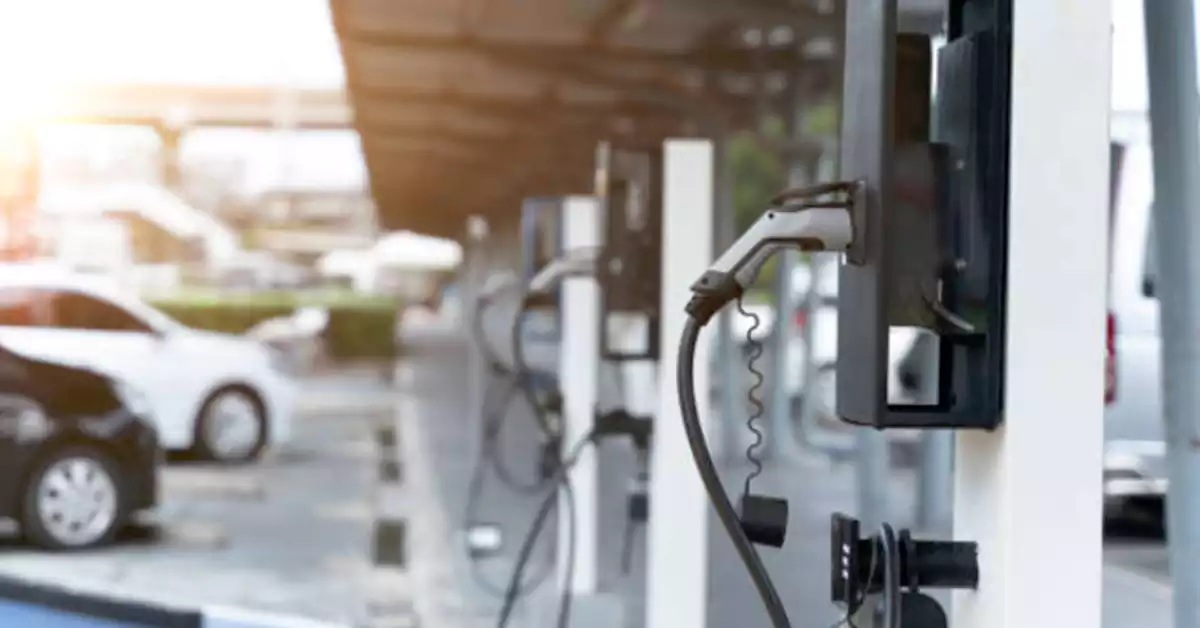
전기차 충전 인프라 구축은 단순히 내구성이 뛰어난 전선관을 선택하거나 깔끔하게 설치하는 것만이 아닙니다. 공인된 전기 규정 및 안전 기준을 준수하여 설계, 설치 및 검사해야 합니다. 이러한 규정은 전기차 충전소가 높은 지속적인 전기 부하에서도 안전하게 작동하고, 환경적 문제에 대한 저항력을 갖추며, 장기적인 신뢰성을 제공하도록 보장합니다.
시공업체, 엔지니어 및 시설 관리자에게 이러한 기준을 준수하는 것은 검사를 통과하는 것뿐만 아니라 사용자, 장비 및 투자를 보호하는 데 필수적입니다. 아래는 북미 및 전 세계에서 전기차 충전 배관 설치를 규정하는 가장 중요한 표준 및 규정입니다.
전문가 팁: 아직도 모르겠어요 전 세계 전기차 충전소에 있어 가장 중요한 4가지 규정문제없습니다! 위 링크를 클릭하시면 지금 바로 학습하고 업계 전문가가 되실 수 있습니다!
미국: 국가 전기 규격(NEC)
미국 소방협회(NFPA)에서 발행하는 국가 전기 규격(NEC)은 미국 내 전기차 충전 설비(EVSE) 설치의 기본 지침을 제공합니다. 특히 다음과 같은 몇 가지 조항이 중요합니다.
NEC 제300조 - 배선 방법
제300조는 전기차 충전소를 포함한 모든 전기 설비에 사용되는 배선 방식 및 자재에 적용되는 기본 규칙을 규정합니다. 이 조항은 도체 경로 설정, 물리적 손상 방지, 매설 깊이, 전선관 요건, 도체 간 간격 및 환경 조건으로부터의 보호에 관한 내용을 다룹니다. 전기차 인프라의 경우, 제300조를 준수함으로써 충전 설비에 전력을 공급하는 배전선 및 분기 회로가 적절하게 설치되고, 충분히 보호되며, 설치 환경(실내, 실외, 지하 또는 콘크리트 매립)에 적합하도록 보장할 수 있습니다.
전기차 충전 프로젝트와 관련하여 제300조에서 고려해야 할 주요 사항은 다음과 같습니다.
도체 보호: 배선이 기계적 손상, 습기 및 화학 물질 노출로부터 보호되도록 합니다.
전선관 및 도관: 현장 조건에 따라 EMT, PVC 또는 경질 금속 전선관과 같은 설치 방법에 대한 요구 사항이 있습니다.
회로 분리: 서로 다른 종류의 전선 사이에 적절한 간격을 유지함으로써 간섭과 위험을 방지합니다.
지하 시설: 최소 매설 깊이 및 부식과 물 침투 방지.
제300조는 이러한 기본 요건을 설정함으로써 제625조의 보다 전문적인 요건을 뒷받침하는 구조적 및 안전적 틀을 제공합니다.
전선관 관련 제품
제342조 – 중간 금속 전선관(IMC): 일반 금속 전선관(RMC)보다 가볍지만 매설 및 콘크리트 피복에 적합합니다.
제344조 – 강성 금속 전선관(RMC): 최대 강도; 노출, 은폐, 습기 있는 장소 또는 직접 매설 장소에 사용 가능.
제350조 – 방수형 유연 금속 전선관(LFMC): 유연성이 필요한 습기가 많은 환경, 매설 또는 노출 설치에 적합합니다.
제352조 – 경질 PVC 전선관(PVC): 내식성이 뛰어나며, 지하, 콘크리트 내부 및 (햇빛에 강한 경우) 노출된 환경에서도 사용 가능합니다. 고온 환경이나 심각한 물리적 손상이 발생하는 지역에서는 사용이 제한됩니다.
제358조 – 전기 금속 튜브(EMT): 구부리기 쉽고 가볍습니다. 실내/실외 사용이 승인되었지만 직접 매설은 권장하지 않습니다.
제356조 – 방수형 유연 비금속 전선관(LFNC): LFMC와 유사하지만 비금속 재질이며, 매설 또는 옥외 사용에 적합합니다.
NEC 제250조 – 접지 및 본딩
전기 시스템의 접지 및 본딩에 대한 규칙을 정립합니다.
금속 전선관(RMC, IMC, EMT, LFMC): 승인된 부속품을 사용하여 설치할 경우 장비 접지 도체(EGC) 역할을 할 수 있습니다.
비금속 전선관(PVC, LFNC): 별도의 접지선이 필요합니다.
접지 전극 도체 및 본딩 점퍼의 크기 결정 규칙을 제공합니다.
NEC 제625조 – 전기 자동차 충전 시스템
제625조는 전기차 충전 시스템의 설치 및 운영에 대해 구체적으로 규정하고 있습니다. 이 조항은 제300조의 일반 규정을 전기차 충전 장비의 고유한 특성과 위험에 적용하여 구체화합니다. 제625조의 적용 범위에는 건물 배선 시스템과 전기차 간에 에너지를 전달하는 데 사용되는 도체, 커넥터, 커플러, 인렛, 공급 장비 및 관련 장치가 포함됩니다.
제625조의 주요 조항은 다음과 같습니다.
전압 정격: 충전 시스템은 별도의 명시가 없는 한 최대 600볼트 AC 또는 DC까지 작동할 수 있습니다.
등록 요건: 사용되는 모든 자재 및 장비는 해당 용도에 적합한 인증(UL 인증 또는 그에 상응하는 인증)을 받아야 합니다.
장비 제작: 전기차 커플러, 코드 길이, 케이블 관리, 인터록, 자동 전원 차단 및 감전 방지를 위한 인력 보호 시스템에 대한 요구 사항.
과전류 보호: 전기차 충전기(EVSE)에 전력을 공급하는 분기 회로 및 급전선은 최대 부하의 125% 이상에서 연속 작동에 적합한 정격 용량을 가져야 합니다.
연결 해제 수단: 정격 전류가 60A를 초과하거나 접지 전압이 150V를 초과하는 장비는 쉽게 접근할 수 있고 열린 상태에서 잠글 수 있는 차단기가 있어야 합니다.
연결 방법: 정격 용량이 낮은 전기차 충전기는 코드와 플러그를 사용하여 연결할 수 있지만, 정격 용량이 높은 장비는 영구적으로 전선에 연결해야 합니다.
대화형 시스템: 차량-전력망(V2G) 애플리케이션과 같은 양방향 에너지 전송을 다루며, 제702조(선택적 대기 시스템) 및 제705조(전력 생산원)와 연계됩니다.
위치 및 환기: 배터리에서 가스가 발생할 수 있는 경우 최소 설치 높이, 배치 요건 및 환기 필요 사항을 규정합니다.
본질적으로 제625조는 전기차 충전 시스템이 전기적으로 안전할 뿐만 아니라 감전, 화재, 기계 고장과 같은 위험을 예방하도록 설계되어야 함을 보장합니다. 이는 제300조의 일반적인 전기 설비 규정과 현대 전기 이동성 인프라의 구체적인 요구 사항을 연결하는 역할을 합니다.
캐나다: 캐나다 전기 규격(CEC)
미국에서는 국가 전기 규격(NEC)이 전기차 충전 설비 설치를 규정하는 반면, 캐나다에서는 캐나다 전기 규격(CEC) 제1부 86절이 설치에 대한 기본 틀을 제공합니다. 86절은 전기차 충전 시스템만을 위한 조항으로, 전기차 인프라의 고유한 요구 사항을 충족하기 위해 CEC의 일반 요건을 보완합니다.
CEC 제86조의 주요 조항:
위험 장소
전기차 충전 설비를 위험 지역(캐나다 에너지법(CEC) 18조 및 20조에 정의됨)에 설치할 경우, 방폭 및 방염 설계에 대한 추가 요건을 준수해야 합니다. 이는 특히 상업용 차고, 주유소 및 산업 현장에 적용됩니다.
전압 제한
캐나다 에너지 위원회(CEC)는 전기차 충전 장비에 최대 750V의 공칭 교류 시스템 전압을 허용합니다. 이는 일반적인 레벨 2 및 DC 고속 충전 인프라와 일치하며, 고전압 환경에서의 위험을 최소화합니다.
Receptacles
Standard receptacles for EV charging must be clearly labeled and dedicated for EV use.
A common configuration is a CSA 5-20R single receptacle supplied by a 125 V, 20 A branch circuit.
Outdoor receptacles within 2.5 m of grade must include Class A GFCI protection, ensuring enhanced safety in damp conditions.
Branch Circuits
Each EVSE must be supplied by a separate branch circuit with no other loads permitted, except ventilation equipment directly associated with the EVSE.
Continuous Load Classification
EV charging loads are considered continuous, requiring conductor and overcurrent protection sizing at 125% of the rated current (similar to NEC requirements).
연결 해제 수단
A dedicated disconnect is required for EVSE rated 60 A or more or over 150 V to ground.
This disconnect must be located within sight of and accessible to the EVSE, and must be lockable in the open position.
Bidirectional Power and Energy Export
The CEC explicitly addresses vehicle-to-grid (V2G) and vehicle-to-building (V2B) applications:
Only EVSE that is specifically approved and marked for bidirectional power may be used in such systems.
Installations must also comply with Section 84 (Interconnection of Electric Power Production Sources), ensuring safe integration with premises wiring and the utility grid.
Additional restrictions apply in commercial garages and fuel-dispensing facilities, where EVSE must be located outside hazardous areas.
Location Requirements
Indoor Sites: Includes garages, underground parking structures, and agricultural buildings. Where ventilation is required (e.g., for battery off-gassing), the EVSE must be interlocked with the ventilation system to prevent operation if ventilation is disabled.
Outdoor Sites: Includes residential driveways, carports, curbsides, and parking lots. Outdoor EVSE must be rated for weather exposure and installed to withstand environmental conditions.
Height Requirements: EVSE must be installed at a mounting height between 450 mm and 1.2 m above finished floor or grade, ensuring accessibility and protection from physical damage.
International Standards (IEC / ISO / AS/NZS)
IEC 61851:
Global standard for EV conductive charging systems, covering safety, performance, and installation.
IEC 60364-7-722:
Wiring rules for EV charging installations, requiring dedicated circuits and consideration for load management.
AS/NZS 3000 (Australia/New Zealand Wiring Rules):
Governs wiring installations, including EVSE. Requires proper mechanical protection for underground conduits, corrosion resistance, and compliance with ambient temperature ratings.
Why Choose Ledes PVC Conduit for EV Charging Stations
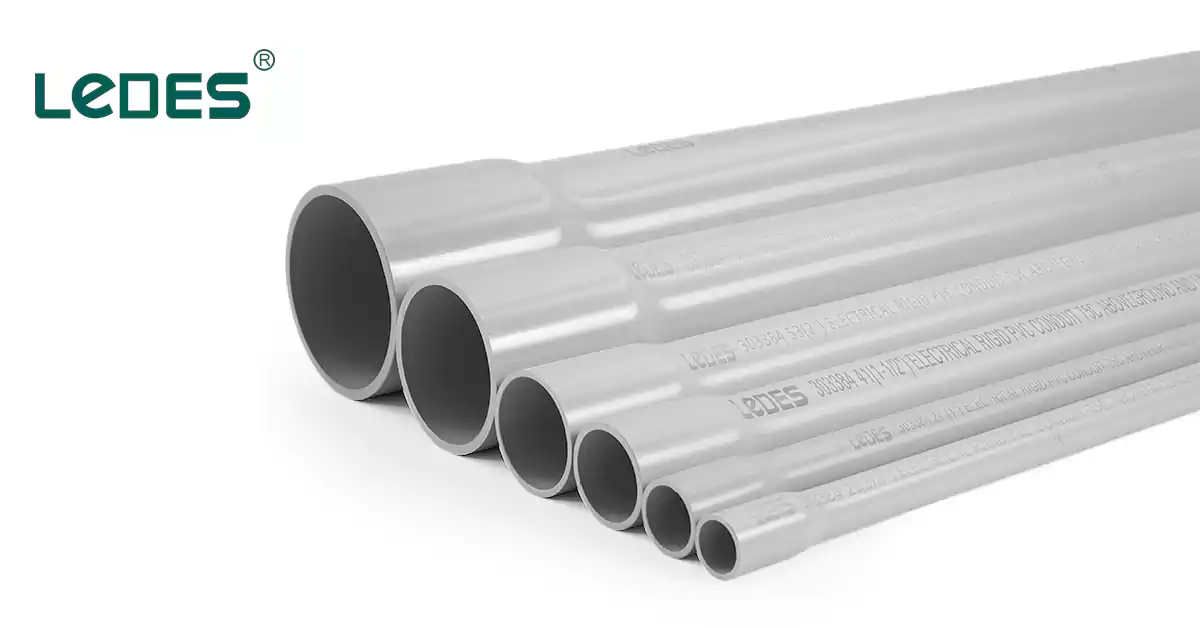
Selecting the right conduit brand is just as important as choosing the correct type of conduit. A high-quality conduit ensures long-term performance, safety, and compliance for demanding EV charging infrastructure. Ledes PVC conduit has become a trusted choice for many EV projects worldwide due to its proven durability, strict quality standards, and specialized solutions for solar and EV applications.
참고사항: If you want to learn about the 4 Types of Electrical Conduits and their applications for an EV Charging Station, you can click on the link above.
Key Reasons to Choose Ledes PVC Conduit
1. Engineered for Harsh Outdoor Environments
EV charging stations are often exposed to sunlight, rain, snow, and wide temperature fluctuations. Ledes PVC conduits are UV-resistant, weatherproof, and maintain their integrity under prolonged outdoor exposure, ensuring reliable protection of cables in all climates.
2. Superior Electrical Safety
Safety is paramount in EV charging systems where high voltages and currents are involved. Ledes PVC conduits are flame-retardant, with excellent mechanical strength, and sunlight resistance options are available, significantly increasing the safety of EV charging systems.
3. Wide Range of Standards Compliance
Ledes offers conduits tested and certified to meet major international standards, such as UL, CSA, and AS/NZS 2053, ensuring compliance with NEC and other local electrical codes. This makes them suitable for EV charging projects in North America, Australia, and beyond.
4. Complete System of Conduits and Fittings
One challenge in EV installations is achieving a seamless conduit system with compatible fittings. Ledes provides a full range of rigid and corrugated conduits, elbows, couplings, adaptors, junction boxes, and accessories, allowing installers to source everything from one reliable manufacturer.
5. Cost-Effective without Compromising Quality
Compared with metallic conduits, Ledes PVC conduits are lightweight, easier to handle, and significantly reduce labor and transportation costs. They offer a balance of affordability and long-term reliability, making them an efficient choice for large-scale EV charging rollouts.
Installation Tips and Best Practices for EV Charging Conduit
Choosing the right conduit is only half the job, how it’s installed is equally critical for ensuring safety, compliance, and system longevity. Proper installation practices protect against environmental damage, reduce maintenance costs, and ensure compliance with NEC/CEC standards. Below are key best practices:
전문가 팁: Best practices for conduit installation are code compliance. We’ve described the Conduit Bending and Support, Grounding, and Bonding Requirements in the last post, and the data sheets attached. Click the links above for quick access to relevant information.
1. Proper Sealing for Moisture Protection
Outdoor and underground runs are highly susceptible to water ingress, which can corrode wires, trip breakers, and cause failures.
For PVC conduit, use solvent cement rated for watertight joints (UV-resistant for outdoor use).
For metallic conduit (RMC/IMC), apply thread sealants, rubber gaskets, or O-rings at joints to block moisture.
Use watertight connectors at junction boxes to prevent leaks.
In indoor garages, condensation barriers help mitigate moisture buildup from temperature swings.
Always inspect seals regularly and replace deteriorated gaskets to maintain system integrity.
2. Temperature and Heat Management
EV chargers, particularly Level 2 and DC fast chargers, generate substantial heat.
Use conduit materials rated for the ambient environment and cable load.
Larger conduit sizes not only ease wire pulling but also promote heat dissipation, reducing risk of overheating.
3. Conduit Support and Spacing
Follow NEC/CEC requirements for support intervals (e.g., every 3–5 feet for PVC, closer for heavy or vertical runs).
Use vibration-resistant clamps on outdoor poles, wall mounts, or island pedestals to prevent loosening over time.
Proper securing prevents sagging, strain, and mechanical damage.
4. Burial Depth and Underground Runs
For underground feeders, NEC/CEC generally requires 18–24 inches of cover for PVC conduit.
Use Schedule 80 PVC or concrete-encased metallic conduit where extra mechanical protection is needed, such as under driveways or high-traffic areas.
Ensure watertight joints and plan for future expansion exits when trenching.
5. Minimizing Bends and Pull Points
Avoid more than four 90° bends per conduit run, as excessive bends make pulling conductors difficult and increase insulation damage risk.
For long runs, install pull boxes or junctions to reduce stress during wire pulling and simplify future upgrades.
Always maintain the NEC-required minimum bend radius to protect conductor insulation.
6. Expansion and Thermal Movement
Conduit, particularly PVC, expands and contracts with temperature changes.
Install expansion couplings in long outdoor runs exposed to direct sunlight or temperature fluctuations.
Leave space where conduit penetrates walls or slabs to prevent stress cracking.
7. Derating, Fill, and Overcurrent Protection
Follow the NEC 40% fill rule to avoid overheating in conduit runs.
Apply ampacity derating when grouping multiple EV chargers in one conduit.
Ensure GFCI protection in wet or outdoor locations, and AFCI protection where required.
Metallic conduits must be properly grounded to ensure fault protection.
8. Professional Installation is Non-Negotiable
The NEC requires that EVSE be installed by a qualified person.
Licensed electricians ensure correct wire sizing, breaker selection, grounding, and permitting.
Professional installation prevents costly mistakes such as undersized conductors, improper bonding, or code violations.
Future-Proofing Your EV Charging Conduit Infrastructure
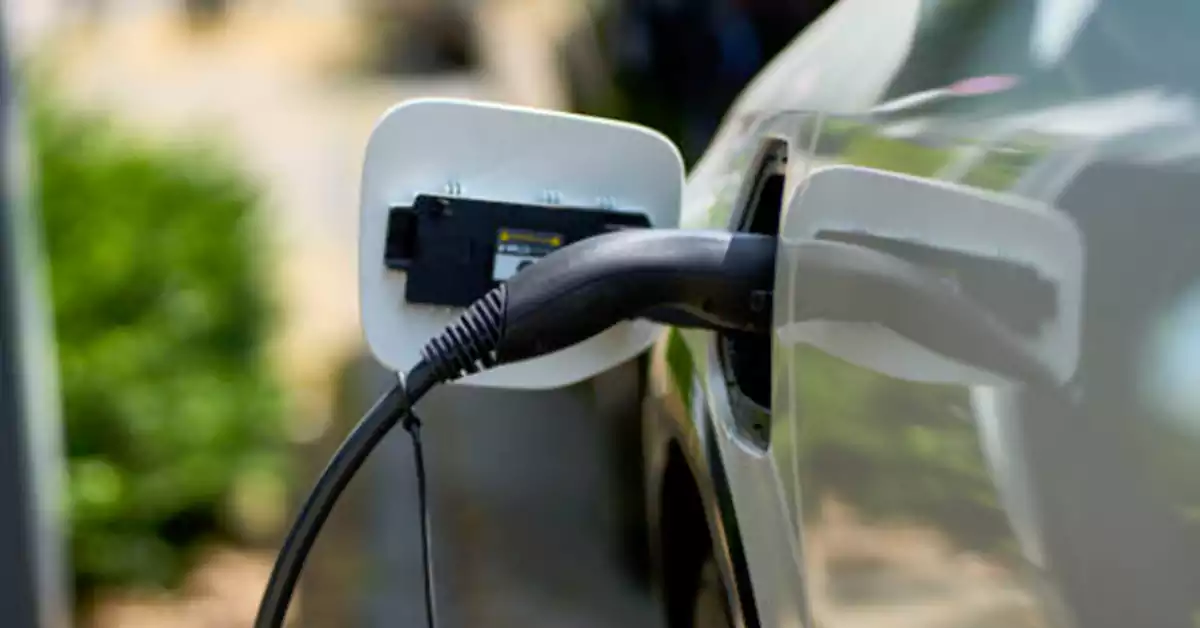
The electric vehicle industry is evolving rapidly, and charging infrastructure must be designed with tomorrow’s needs in mind—not just today’s. Future-proofing conduit installations ensures that your EV charging stations remain safe, efficient, and adaptable as demand grows and technologies advance. Conduits are not just protective channels for wiring; they form the backbone of your electrical infrastructure, and planning ahead can save significant costs and effort in the long run.
1. Plan for Higher Charging Capacity
While many installations today serve Level 2 chargers, demand for DC fast charging (Level 3) is increasing. Installing conduits that can accommodate larger conductor sizes ensures that you won’t need to excavate or redo the conduit system when upgrading to higher power chargers. Choosing larger diameter conduits or leaving spare conduits in place allows for scalability.
2. Allow for Smart and Connected Infrastructure
Future charging systems will integrate with smart grids, load management systems, and even vehicle-to-grid (V2G) technologies. Conduits should be sized and routed to handle not only power cables but also communication and data cables. Using separate conduits for signal and control wiring helps prevent interference and supports long-term reliability.
3. Consider Renewable Energy Integration
Many EV charging stations are being paired with solar power, battery storage, and energy management systems. Future-ready conduit planning should allow for routing additional wiring to connect renewable sources, inverters, and monitoring equipment without disrupting existing infrastructure.
4. Comply with Evolving Standards and Safety Requirements
Electrical codes and standards for EV charging are continuously updated. By selecting conduits that already meet or exceed the latest UL, NEC, and local code requirements, you reduce the risk of needing premature replacements. Choosing nonmetallic conduits that are fire-resistant, UV-stabilized, and corrosion-resistant can extend service life in both indoor and outdoor applications.
5. Design for Accessibility and Maintenance
Future-proofed conduit systems should allow easy access for inspection, cable replacement, and upgrades. Using sweep bends instead of sharp elbows, planning access points, and avoiding overly complex routing will make future work less costly and time-consuming.
6. Build with Sustainability in Mind
As EV adoption grows, sustainability is becoming a driving factor. Low-smoke halogen-free (LSZH) conduits or recyclable PVC options help reduce environmental impact while maintaining performance. Considering eco-friendly materials now aligns your infrastructure with future sustainability regulations.
결론
Selecting the right conduit for EV charging infrastructure is far more than a matter of routing wires—it is a critical step in ensuring safety, compliance, and long-term reliability. From understanding the EV charging systems, suitable conduit types, to adhering to NEC and CEC requirements, each decision impacts both performance and regulatory compliance.
Looking forward, future-proofing your conduit infrastructure is essential to accommodate evolving EV technologies, higher charging capacities, smart grid integration, and renewable energy solutions. Thoughtful planning today reduces costly retrofits tomorrow and ensures your EV charging network remains reliable, safe, and adaptable for decades.
By combining high-quality materials, adherence to electrical codes, meticulous installation, and forward-looking design, you can create EV charging infrastructure that not only meets current needs but is ready to handle the challenges of the rapidly advancing electric vehicle landscape.
자주 묻는 질문
전기차 충전 레벨에는 어떤 종류가 있으며, 이러한 레벨이 전선관 선택에 어떤 영향을 미치나요?
There are three main charging levels:
Level 1 (120V AC, ~12–16A): Slow charging, typically for home use.
Level 2 (208–240V AC, 16–80A): Common for residential, workplace, and public charging.
DC Fast Charging (DCFC) (400–1000V DC, up to 350kW): Primarily for commercial/public sites.
As charging power increases, conductors generate more heat, requiring larger wire gauges and, often, larger conduit diameters to ensure safe heat dissipation and compliance with code.
전기차 충전소에 전선관이 중요한 이유는 무엇인가요?
전선관은 전선을 보호하는 통로 역할을 하며 물리적 손상, 습기, 자외선 노출, 토양 화학 물질 및 부식으로부터 전선을 보호합니다. 적절한 전선관 선택은 내구성을 향상시킬 뿐만 아니라 전기 안전을 확보하고 화재 위험을 줄이며 전기차 충전 시스템의 수명을 연장합니다.
옥외 또는 지하 전선관 설치 시 고려해야 할 환경적 요인은 무엇입니까?
For outdoor applications, key considerations include:
UV resistance to prevent degradation in sunlight.
Moisture resistance against rain, snow, and humidity.
Temperature stability for extreme heat or cold.
For underground installations, conduits must resist soil pressure, chemical exposure, and constant wet conditions. Schedule 80 PVC or encased metallic conduits are often required for durability.
미국 전기 규격(NEC)은 전선관 선택에 어떤 영향을 미칩니까?
The NEC provides strict safety standards:
Article 625: Covers EV power transfer systems, continuous load requirements (125% sizing), GFCI protection, and dedicated circuits.
Article 300: General wiring requirements, including wet location rules, bend limitations, and burial depths.
Conduit-specific Articles (344, 352, 358, etc.): Define permitted uses and restrictions for each conduit type.
Article 250: Grounding and bonding requirements, especially when using non-metallic conduit.
Compliance is not optional — it is mandatory for safety and inspection approval.
전기차 충전기에 적합한 전선관과 전선을 고르는 방법은 무엇인가요?
Wire gauge depends on the charger’s amperage and circuit length. For example:
A 40A EVSE typically requires 8 AWG copper,
A 48A EVSE often requires 6 AWG copper (4 AWG for long runs).
Circuit breakers must be sized at 125% of the charger’s continuous load. Conduit fill must not exceed 40% of its internal area, and derating factors apply when bundling multiple circuits. Always verify sizing against NEC tables.
금속 전선관은 비금속 전선관 대신 언제 사용해야 할까요?
강성 금속 도관(RMC): Maximum protection against impact, ideal for commercial/industrial and high-traffic areas.
중간 금속 도관(IMC): Strong yet lighter than RMC; suitable for cost-effective commercial use.
전기 금속 튜브(EMT): Lightweight, cost-effective, and suitable for indoor/protected runs.
Metal conduits are also advantageous when an Equipment Grounding Conductor (EGC) is desired through the conduit body itself.
전기차 충전기에 PVC 전선관을 사용할 수 있을까요?
네. PVC 전선관(스케줄 40 또는 스케줄 80)은 부식성이 없고 가벼우며 비용 효율적이기 때문에 전기차 충전기 설치, 특히 지하 또는 옥외 설치에 널리 사용됩니다. 전선관이 물리적 손상에 노출될 경우에는 스케줄 80을 사용해야 합니다. 실내 설치의 경우 EMT 또는 ENT 전선관도 사용할 수 있습니다.
피해야 할 일반적인 설치 오류는 무엇인가요?
Using undersized wire or breakers for the charger’s load.
Overfilling conduits beyond NEC’s 40% limit.
Skipping required pull boxes for long runs or multiple bends.
Poor sealing of joints, leading to water ingress.
Neglecting grounding and bonding requirements.
Attempting DIY installation without permits or inspection.
Such mistakes can cause overheating, premature failure, or failed inspections.
테슬라 충전기에 사용할 전선관 크기는 어떻게 되나요?
테슬라 월 커넥터는 일반적으로 3/4인치(21mm) 전선관을 기본 크기로 사용하지만, 1인치(27mm) 전선관도 사용할 수 있습니다. 특히 후면 진입 지점의 경우, 배선 작업을 용이하게 하기 위해 1인치 전선관 사용을 권장합니다.
전기차 충전기에는 접지봉이 필요한가요?
대부분의 주택에서는 이미 규정에 맞는 접지 전극 시스템이 설치되어 있는 경우 별도의 접지봉이 필요하지 않습니다. 그러나 일부 지역이나 상업용 건물에서는 추가 접지 전극이 필요할 수 있습니다. 항상 미국 전기 규격(NEC) 및 지역 규정을 준수하십시오.
전기차 충전에 필요한 전기 사양은 무엇인가요?
Dedicated circuit (no shared loads).
Correct breaker size.
240V supply for Level 2.
Proper conduit and conductor sizing per NEC.
Grounding and bonding per NEC 250.
GFCI protection may be required depending on installation.
접지 없이 전기차를 충전할 수 있나요?
아니요. 전기차 안전을 위해서는 적절한 접지가 필수적입니다. 접지가 없으면 감전이나 장비 손상의 위험이 있습니다. 미국 전기 규격(NEC)에서는 전기차 충전 장비(EVSE)의 접지를 의무화하고 있습니다. 일부 충전기는 접지 상태가 불량할 경우 충전을 차단하는 접지 감지 기능을 내장하고 있기도 합니다.
전기차 충전에 대한 80% 규정이란 무엇인가요?
The NEC requires continuous loads (running for 3+ hours) not to exceed 80% of the breaker rating. EV charging is considered a continuous load.
Example: A 40A breaker can only supply 32A continuous charging load.
This is why many Level 2 chargers rated at 32A require a 40A breaker.
전기차 충전소에 가장 적합한 콘센트 유형은 무엇인가요?
NEMA 14-50 outlet (240V, 50A): Most common for Level 2 portable chargers.
Hardwired wall-mounted EVSE: Preferred for permanent installations (safer, no outlet wear).
For Tesla, a Wall Connector is recommended for higher charging speeds.