Zum Inhalt wechseln
Inhaltsverzeichnis
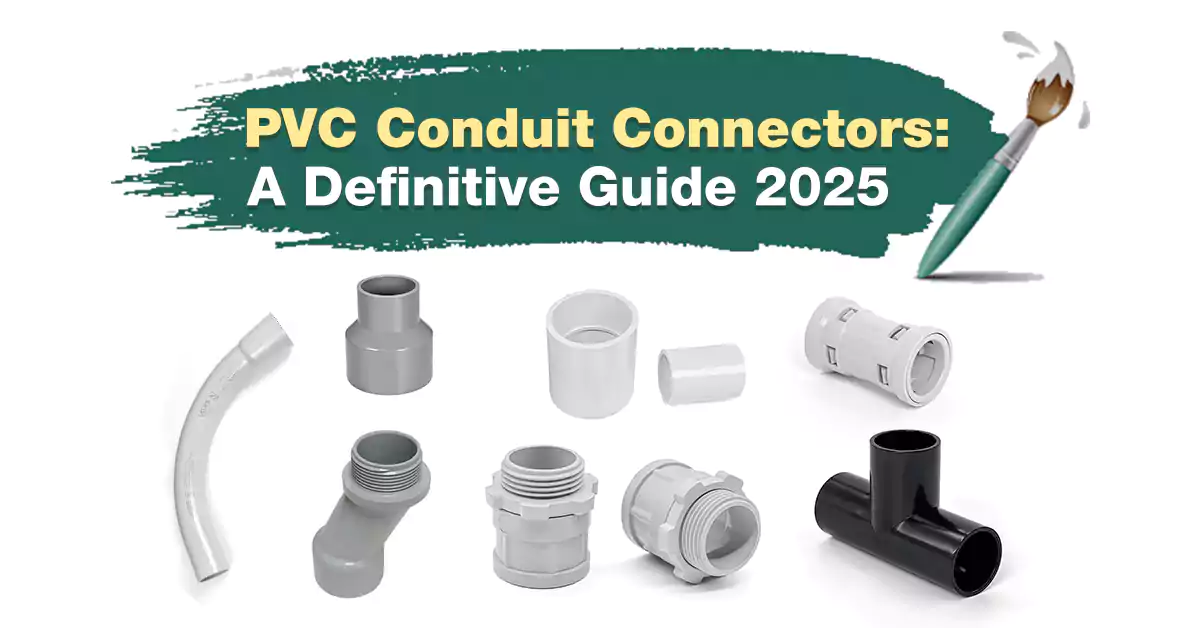
PVC-Rohrverbinder PVC-Rohrverbinder sind unverzichtbare Komponenten moderner Elektroinstallationen und gewährleisten sichere und zuverlässige Verbindungen zwischen den einzelnen Abschnitten von PVC-Rohren. Sie spielen eine entscheidende Rolle für die Integrität des Rohrsystems, ermöglichen nahtlose Übergänge zwischen verschiedenen Rohrlängen und sorgen für eine ordnungsgemäße Abdichtung und Erdung. In Zeiten, in denen elektrische Sicherheit und Effizienz höchste Priorität haben, ist das Verständnis der verschiedenen Arten von PVC-Rohrverbindern und ihrer spezifischen Anwendungsbereiche für Fachleute der Elektrobranche unerlässlich.
Die Wahl der richtigen PVC-Rohrverbinder ist nicht nur eine Frage der Bequemlichkeit, sondern ein entscheidender Schritt für die langfristige Sicherheit und Funktionsfähigkeit der elektrischen Anlage. Rohrverbinder beugen potenziellen Gefahren vor, indem sie eine sichere Verbindung gewährleisten und die elektrische Verkabelung vor äußeren Einflüssen wie Feuchtigkeit, Staub und Beschädigungen schützen. Darüber hinaus stellt ein fachgerecht ausgewählter Verbinder die Einhaltung lokaler Vorschriften und Bestimmungen sicher, was für das Bestehen von Prüfungen und die Erfüllung der Branchenstandards unerlässlich ist.
Die falsche Wahl des Verbinders kann zu Problemen wie elektrischen Fehlern, Systemstörungen und sogar Bränden führen. Faktoren wie Umgebungsbedingungen, Rohrtyp und Installationsanforderungen sollten die Auswahl bestimmen. In den folgenden Abschnitten werden wir die verschiedenen Arten von PVC-Rohrverbindern, ihre spezifischen Anwendungsbereiche und wichtige Kriterien für die Auswahl des richtigen Verbinders für Ihre Elektroprojekte erläutern.
Was Sie wissen werden:
Nach dem Lesen dieses Artikels werden die Leser ein klares Verständnis von Folgendem erlangen:
- Welche PVC-Rohrverbinder gibt es? und warum sie in elektrischen Anlagen unerlässlich sind.
- Die verschiedenen Arten von PVC-Rohrverbindern, einschließlich gerader Verbinder, T-Stücke, Winkelstücke, Kupplungen, Adapter, Reduzierverbinder und Versätze sowie deren spezifische Verwendung in verschiedenen Teilen eines elektrischen Systems.
- Die wichtigsten Funktionen von PVC-Rohrverbindern, einschließlich ihrer Funktionsweise beim Verbinden von Rohren, der Aufrechterhaltung der Systemintegrität und des Schutzes der darin befindlichen Kabel.
- Verwandt Normen und Standards für PVC-Verbinder.
- Installationsanleitungen für PVC-Rohrverbinder.
- Wie man Wählen Sie den richtigen Steckertyp. basierend auf den Anforderungen eines bestimmten Elektroprojekts, wobei sowohl Sicherheit als auch die Einhaltung der Vorschriften gewährleistet werden.
PVC-Rohrverbinder sind Spezialformstücke zum Verbinden und Sichern von PVC-Rohren in Elektroinstallationen. Sie gewährleisten eine nahtlose Verlegung der elektrischen Leitungen und stellen gleichzeitig sicher, dass das System sicher, langlebig und den Industriestandards entsprechend ist. PVC-Rohrverbinder sind in verschiedenen Formen und Größen erhältlich, um den vielfältigen Anforderungen von Elektrosystemen gerecht zu werden – egal ob es sich um Wohn-, Gewerbe- oder Industrieprojekte handelt.
Diese Verbinder erfüllen mehrere wichtige Funktionen, darunter die Aufrechterhaltung der Unversehrtheit des Leitungsrohrs, das Verhindern des Eindringens von Feuchtigkeit und Verunreinigungen in das Leitungssystem sowie der ordnungsgemäße Schutz der elektrischen Kabel. Daher ist die Auswahl des richtigen PVC-Leitungsrohrverbinders entscheidend für die Sicherheit und Leistungsfähigkeit des gesamten Systems.
- Verbindungsrohr
Die Hauptfunktion von PVC-Rohrverbindern besteht darin, Rohrabschnitte sicher zu verbinden und so einen durchgehenden Verlauf für elektrische Kabel zu schaffen. Dadurch wird sichergestellt, dass die elektrische Anlage intakt bleibt und die Verkabelung vor äußeren Einflüssen geschützt ist. - Aufrechterhaltung der Integrität elektrischer Systeme
PVC-Rohrverbinder tragen zur Erhaltung der strukturellen und elektrischen Integrität des gesamten Rohrsystems bei. Sie gewährleisten, dass die Rohre sicher und ausgerichtet bleiben und verhindern so Bewegungen oder Fehlausrichtungen, die zu Kabelschäden oder Sicherheitsrisiken führen könnten. - Kabelschutz
Kabelverbinder schützen die im Kabelkanal verlegten elektrischen Kabel vor Beschädigungen, Feuchtigkeit und Umwelteinflüssen. Durch die dichte Abdichtung und die Gewährleistung einer durchgehenden, stabilen Verbindung beugen sie Problemen wie Kurzschlüssen, Kabelverschleiß oder Schäden durch Umwelteinflüsse vor.
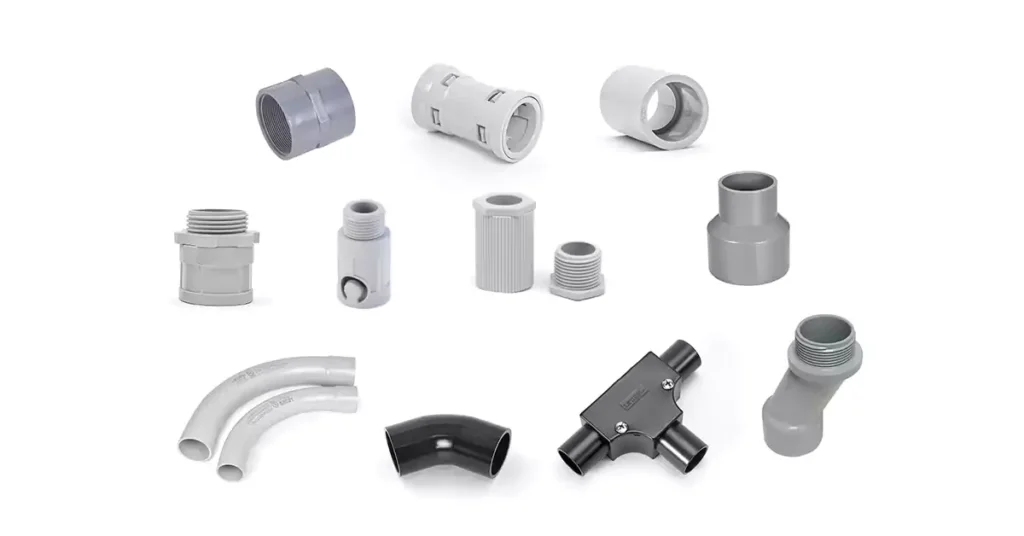
PVC-Rohrverbinder gibt es in verschiedenen Ausführungen, die jeweils für spezifische Funktionen in Elektroinstallationen entwickelt wurden. Sie ermöglichen Richtungsänderungen, Verbindungen zwischen verschiedenen Rohrabschnitten oder Übergänge zu unterschiedlichen Materialien oder Größen. Im Folgenden werden die verschiedenen Arten von PVC-Rohrverbindern, ihre Anwendungsbereiche, Vorteile und Installationsaspekte näher erläutert.
Gerade Verbinder dienen dazu, zwei Rohrabschnitte geradlinig zu verbinden und so eine durchgehende Leitungsführung zu gewährleisten. Diese Verbinder sind unerlässlich, um Rohre zu verlängern oder sie mit Verteilerdosen, Schaltschränken oder anderen Armaturen zu verbinden.
Vorteile:
Einfache und unkomplizierte Verbindung.
Gewährleistet einen reibungslosen Kabelfluss.
Bietet eine sichere, starre Verbindung, die die Integrität des Rohres erhält.
Installation:
Um einen geraden Verbinder zu installieren, richten Sie einfach die beiden Enden des Schutzrohrs aus und schieben Sie sie in den Verbinder. Je nach Ausführung (Gewinde- oder Steckverbinder) wird der Verbinder entweder eingeschraubt oder auf die Schutzrohrenden aufgesteckt. Für eine dichtere Abdichtung und um das Eindringen von Feuchtigkeit oder Staub in das Schutzrohr zu verhindern, kann dieses, falls in den Installationsnormen vorgeschrieben, mit Dichtungsmasse oder Gummidichtungen abgedichtet werden.
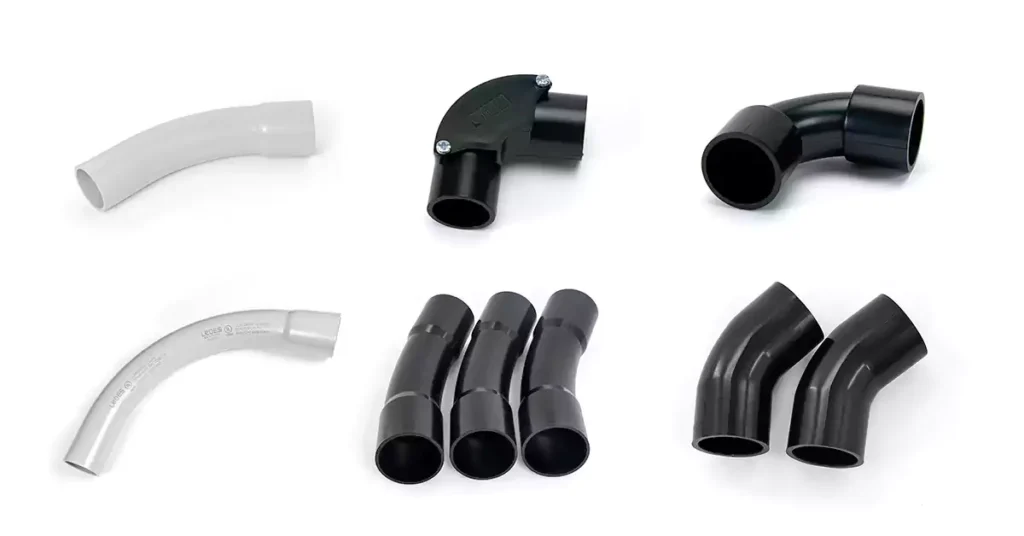
Winkelverbinder Sie dienen dazu, die Richtung von Leitungen zu ändern, typischerweise um 90 Grad, 45 Grad oder 30 bzw. 22,5 Grad, wobei auch andere Winkel erhältlich sind. Diese Verbinder ermöglichen die Verlegung von Leitungen um Hindernisse herum oder die Änderung ihrer Richtung und bieten somit Flexibilität bei der Installation.
Winkelverbinder sind unerlässlich in Installationen, bei denen die Leitungen um Ecken verlegt oder der Kabelverlauf umgeleitet werden muss. Sie sind in verschiedenen Winkeln und Materialien erhältlich, und der verwendete Winkeltyp hängt von der Installationsanordnung und den Anforderungen ab.
Arten von Ellbogen:
- 90-Grad-Winkelstück: Die am häufigsten verwendete Art von Rohrbogen, der für scharfe Kurven im Leitungsverlauf eingesetzt wird.
- 45-Grad-Winkelstück: Bietet einen flacheren Winkel als der 90-Grad-Winkel und wird häufig verwendet, wenn eine weniger scharfe Kurve erforderlich ist.
- 22,5-Grad-Ellbogen: Sorgen Sie für einen leichten und allmählichen Biegewinkel der Leitung.
- SweepsHierbei handelt es sich um spezielle Winkelstücke, die für sanfte Biegungen ausgelegt sind und typischerweise in Bereichen eingesetzt werden, in denen Reibung und Belastung der Verkabelung minimiert werden sollen.
Leitungs-T-Stücke T-Stücke werden verwendet, wenn ein Leitungssystem in mehrere Richtungen verzweigt werden muss. Sie bilden eine “T”-Form, die es ermöglicht, eine Leitung in zwei oder mehr Abzweigungen aufzuteilen. Dies wird häufig verwendet, wenn Kabel von einer Hauptleitung in verschiedene Richtungen verlegt werden.
Zweck:
T-Stücke dienen zur Verzweigung von Leitungsführungen und gewährleisten so, dass jede Verzweigung ein sicheres und durchgängiges Leitungssystem bildet. Dies ist typischerweise bei großen Installationen mit komplexen Verlegungsanforderungen erforderlich, beispielsweise in gewerblichen oder industriellen Umgebungen.
Installation:
T-Stücke werden ähnlich wie Winkelstücke oder gerade Verbinder installiert. Die Enden des Schutzrohrs werden in das T-Stück eingeführt, das die Leitungen dann in die gewünschten Richtungen verzweigt.
Leitungskupplungen Kupplungen dienen dazu, zwei Rohrabschnitte miteinander zu verbinden. Sie werden typischerweise verwendet, um die Rohrlänge zu verlängern oder Rohre mit Verteilerdosen, Gehäusen oder anderen Formstücken zu verbinden. Je nach Art des zu verbindenden Rohrs gibt es verschiedene Kupplungstypen.
Zweck:
Die Hauptaufgabe einer Kupplung besteht darin, zwei Leitungsabschnitte sicher zu verbinden und so die Ausrichtung und Unversehrtheit des Systems zu gewährleisten. Kupplungen tragen dazu bei, den Verlauf der elektrischen Leitungen aufrechtzuerhalten und sie vor äußeren Einflüssen zu schützen.
Arten von Kopplungen:
- Standard-StarrkupplungenWird zum Verbinden zweier Abschnitte von starren PVC-Rohren verwendet.
- ExpansionskupplungenDiese Kupplungen ermöglichen Bewegungen aufgrund der Ausdehnung oder Zusammenziehung der Leitung durch Temperaturänderungen und gewährleisten so, dass das System während dieser Veränderungen intakt bleibt.
- ENT-KopplungenDiese Kupplungen wurden speziell für elektrische nichtmetallische Schläuche (ENT) entwickelt und verbinden flexible Leitungen unter Beibehaltung ihrer Flexibilität.
Versatzrohre werden eingesetzt, wenn ein Leitungssystem leicht umgeleitet werden muss, üblicherweise um ein Hindernis zu umgehen oder es an die Öffnung einer Elektroverteilerdose anzupassen. Versatzrohre schaffen Platz um Hindernisse herum und gewährleisten, dass die Leitungen andere Systeme oder Bauwerke nicht beeinträchtigen.
Zweck:
Versetzte Leitungen tragen zu einer übersichtlichen und ordentlichen Verlegung bei und ermöglichen flexible Leitungsführung. Sie verhindern außerdem unnötige Biegungen im Leitungssystem, die die Verkabelung belasten könnten.
Installation:
Um eine Versatzleitung zu installieren, wird das Schutzrohr auf die gewünschte Länge zugeschnitten und der Verbinder im erforderlichen Winkel angebracht, um das Schutzrohr an den vorgesehenen Verlauf anzupassen. Versatzleitungen werden typischerweise dann verwendet, wenn eine einfache Biegung oder ein Winkelstück nicht ausreicht.
Kabelkanaladapter Sie dienen dazu, PVC-Rohre mit anderen Materialien (z. B. Metallrohren) oder mit Rohren unterschiedlicher Größen zu verbinden. Diese Verbinder sind unerlässlich beim Übergang zwischen zwei verschiedenen Rohrtypen oder wenn das System an eine spezifische Anwendung angepasst werden muss.
Zweck:
Adapter ermöglichen einen reibungslosen und sicheren Übergang zwischen verschiedenen Leitungstypen und gewährleisten so die Integrität des Systems ohne Lücken oder Schwachstellen. Sie kommen häufig bei Installationen zum Einsatz, bei denen die Leitungstypen gewechselt werden müssen, beispielsweise im Außenbereich, wo PVC für den Großteil des Systems verwendet wird, Metallleitungen jedoch für bestimmte Abschnitte erforderlich sind.
Adaptertypen:
- Steckeradapter: Diese Adapter dienen zum Verbinden eines Schutzrohrs mit einer Anschlussdose, einem Verteilerkasten oder einem anderen Formstück mit oder ohne Gewinde. Das Außengewinde des Adapters wird in das Schutzrohr gesteckt, während das Gewinde oder die glatte Außenseite mit der entsprechenden Anschlussdose oder dem Formstück verbunden wird. Außengewinde-Adapter werden häufig verwendet, um Schutzrohre sicher in Verteilerdosen, Verteilerkästen oder anderen Gehäusen zu befestigen.
- Weibliche Adapter: Buchsenadapter sind das Gegenteil von Steckeradaptern. Sie verfügen über ein Gewinde oder eine glatte Innenseite, die es ermöglicht, sie über das Ende eines Schutzrohrs zu schieben und so eine sichere Verbindung zu einem anderen Formstück oder Schutzrohr herzustellen. Sie werden häufig verwendet, um ein Schutzrohr mit Dosen, Verteilerkästen oder anderen Formstücken zu verbinden, bei denen eine Buchsenverbindung erforderlich ist. Buchsenadapter gewährleisten eine stabile, dichte Verbindung, die zur Systemintegrität beiträgt und Verunreinigungen verhindert.
Reduzierstücke werden eingesetzt, wenn in einem Leitungssystem ein Übergang zwischen Leitungen mit unterschiedlichen Durchmessern erforderlich ist. Diese Verbinder dienen dazu, eine Leitung mit größerem Durchmesser mit einer Leitung mit kleinerem Durchmesser zu verbinden und so sicherzustellen, dass die elektrischen Kabel ungehindert durch das System geführt werden können.
Zweck:
Reduzierstücke dienen in erster Linie dazu, einen sicheren und reibungslosen Übergang zwischen zwei unterschiedlich großen Leitungsabschnitten zu gewährleisten. Dadurch wird sichergestellt, dass die elektrischen Leitungen ungehindert und ohne Beschädigungen durch plötzliche Größenänderungen durch die Leitung verlaufen können.
Installation:
Reduzierverbinder werden installiert, indem die Enden des Schutzrohrs in das größere Ende des Verbinders eingeführt und anschließend das kleinere Ende am kleineren Schutzrohr befestigt werden. Diese Verbinder gewährleisten eine dichte Verbindung, die Spalten und Leckagen verhindert und somit die Systemintegrität sicherstellt.
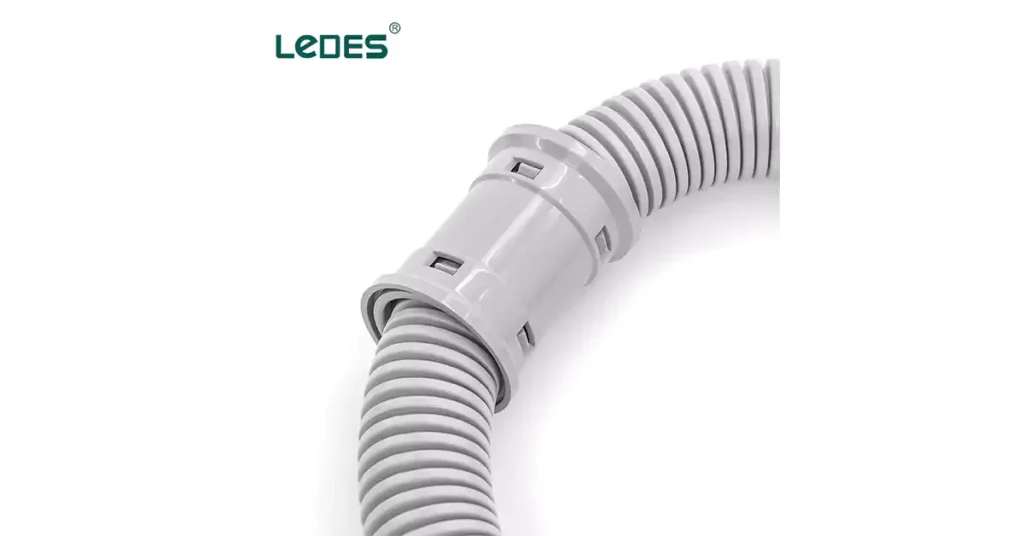
PVC-Rohrverbinder sind aufgrund ihrer zahlreichen Vorteile in der Elektroinstallation weit verbreitet. Diese Verbindungsstücke bieten eine Reihe von Vorteilen, darunter Langlebigkeit, Korrosionsbeständigkeit, einfache Installation und vieles mehr. Im Folgenden werden die wichtigsten Vorteile von PVC-Rohrverbindern erläutert, die verdeutlichen, warum sie sowohl bei Profis als auch bei Heimwerkern in der Elektrobranche so beliebt sind.
Beständigkeit gegen Stöße, Witterungseinflüsse und Chemikalien
PVC-Rohrverbinder sind bekannt für ihre hervorragende Haltbarkeit und Festigkeit und daher äußerst widerstandsfähig gegenüber verschiedenen Umwelteinflüssen. Sie widerstehen Stößen durch äußere Kräfte, ohne zu reißen oder zu brechen, und gewährleisten so die Integrität des Rohrsystems auch unter anspruchsvollen Bedingungen. Ob im Freien oder in Industrieanlagen installiert – PVC-Verbinder halten selbst extremen Witterungsbedingungen, einschließlich extremer Temperaturen und UV-Strahlung, stand. Darüber hinaus sind PVC-Verbinder beständig gegen viele gängige Chemikalien und gewährleisten so den Erhalt ihrer Integrität in industriellen und gewerblichen Umgebungen, in denen der Kontakt mit korrosiven Substanzen ein Problem darstellt.
Im Gegensatz zu Metallverbindern, die mit der Zeit rosten und korrodieren, korrodieren PVC-Rohrverbinder nicht. PVC ist ein nichtmetallisches Material, das von Feuchtigkeit, Salz und anderen korrosiven Elementen, die Metallfittings angreifen können, nicht beeinträchtigt wird. Daher eignet sich PVC ideal für Anwendungen in Umgebungen, in denen häufig Wasser, Chemikalien oder salzhaltige Luft einwirken, wie beispielsweise in Küstenregionen, Industrieanlagen und bei Außeninstallationen.
Einer der größten Vorteile von PVC-Rohrverbindern ist ihre einfache Installation. PVC-Verbinder sind leicht und lassen sich im Vergleich zu Metallverbindern mit minimalem Aufwand montieren. Zum Schneiden, Anpassen oder Verbinden sind keine Spezialwerkzeuge oder -geräte erforderlich, was sie zu einer hervorragenden Wahl für Profis und Heimwerker macht. PVC-Verbinder sind in der Regel für einfache Steck- oder Gewindeverbindungen ausgelegt, was den Installationsprozess vereinfacht und die Arbeitszeit reduziert.
Die einfache Installation macht PVC-Verbinder kostengünstig, da sie Zeit sparen und die Arbeitskosten bei einem Projekt reduzieren. Dadurch sind sie auch für ein breiteres Spektrum an Installateuren zugänglich, selbst für solche mit geringer Erfahrung im Umgang mit Elektroinstallationsrohrsystemen.
PVC-Rohrverbinder schützen elektrische Kabel nicht nur vor Beschädigungen, sondern bieten auch eine elektrische Isolationsschicht. Dies ist entscheidend, um Stromschläge oder Kurzschlüsse durch fehlerhafte Verbindungen oder freiliegende Drähte zu verhindern. PVC ist ein nichtleitendes Material und trägt somit dazu bei, dass die elektrische Anlage für Personen und Geräte sicher bleibt.
Die elektrische Isolierung durch PVC-Rohrverbinder bietet eine zusätzliche Sicherheitsebene für elektrische Installationen, verringert das Risiko elektrischer Gefahren und gewährleistet, dass das System den Sicherheitsstandards und -vorschriften entspricht.
PVC-Rohrverbinder sind bekannt für ihr geringes Gewicht und ihre Flexibilität, wodurch sie sich bei der Installation leicht handhaben und transportieren lassen. Ihr geringes Gewicht reduziert die Belastung der Monteure beim Aufbau großer Rohrsysteme, und die Flexibilität des PVC ermöglicht eine einfache Anpassung der Rohrführung, insbesondere in Bereichen mit Hindernissen oder beengten Platzverhältnissen. PVC-Verbinder sind zudem weniger bruchgefährdet während der Installation, wodurch die Integrität des Rohrsystems gewährleistet wird.
Die Flexibilität und das geringe Gewicht von PVC-Verbindern machen das gesamte System vielseitiger und einfacher zu installieren, insbesondere in beengten oder schwer zugänglichen Bereichen. Installateure können die Kabelführung mit minimalem Aufwand anpassen und so eine effizientere Installation in verschiedenen Umgebungen ermöglichen.
PVC-Rohrverbinder sind oft günstiger als ihre Pendants aus Metall und bieten eine kostengünstige Lösung für Elektroinstallationen im Wohn- und Gewerbebereich. Die niedrigeren Material- und Herstellungskosten von PVC in Kombination mit der kürzeren Installationszeit machen es zu einer attraktiven Option für budgetbewusste Projekte, ohne Kompromisse bei Sicherheit oder Leistung einzugehen.
PVC-Rohrverbinder zeichnen sich durch hervorragende Alterungsbeständigkeit aus und behalten ihre Festigkeit und Funktionalität über lange Zeit. Sie sind unempfindlich gegenüber Ausbleichen, Versprödung und UV-Strahlung und eignen sich daher sowohl für Innen- als auch für Außenanwendungen. Diese langfristige Zuverlässigkeit gewährleistet, dass die elektrische Anlage über ihre gesamte Lebensdauer hinweg effektiv und sicher funktioniert.
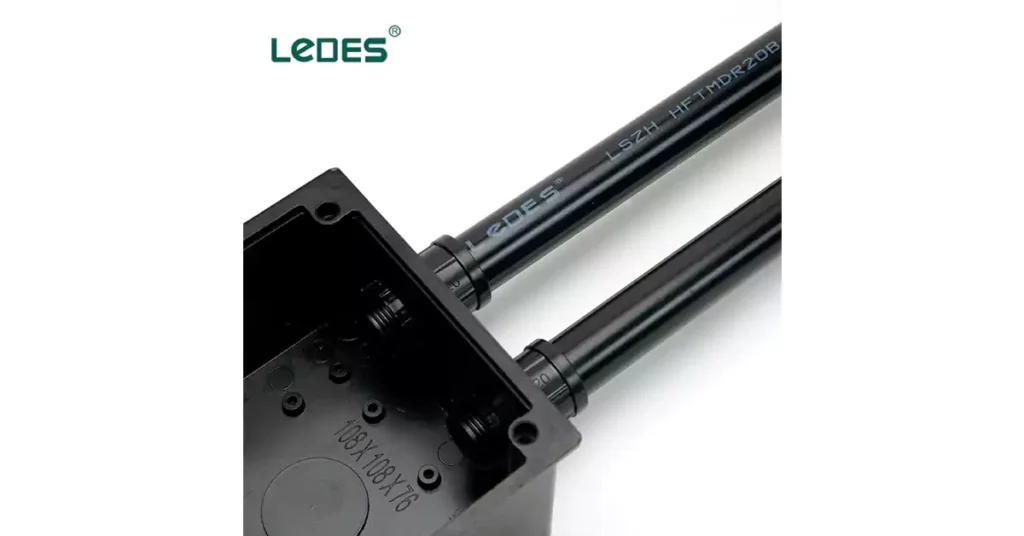
PVC-Rohrverbinder werden häufig in der Elektroinstallation von Wohnhäusern und Gewerbegebäuden eingesetzt, um eine sichere und zuverlässige Verlegung von Elektrokabeln zu gewährleisten. In Wohnhäusern dienen sie dazu, Strom zu Steckdosen, Schaltern und Leuchten zu leiten und die Verkabelung vor Beschädigungen zu schützen. In Gewerbe- und Industriegebäuden verbinden PVC-Rohrverbinder Rohrabschnitte und sorgen so für eine sichere Kabelführung zwischen Schaltschränken, Maschinen und anderen Geräten.
Die nichtleitenden Eigenschaften von PVC sorgen für zusätzliche Sicherheit, indem sie Kurzschlüsse und Stromschläge verhindern und gleichzeitig die Integrität der Verkabelung gewährleisten. PVC-Verbinder entsprechen zudem den örtlichen Elektrovorschriften und sind somit eine sichere und effektive Lösung für Elektroinstallationen jeder Größe.
PVC-Rohrverbinder werden häufig für elektrische Außeninstallationen eingesetzt, wo der Schutz vor Witterungseinflüssen entscheidend ist. Im Außenbereich sind elektrische Leitungen Witterungseinflüssen wie Regen, Schnee, Feuchtigkeit und extremen Temperaturen ausgesetzt. PVC-Verbinder bieten dank ihrer Beständigkeit gegen UV-Strahlung und Feuchtigkeit einen dauerhaften Schutz unter diesen rauen Bedingungen.
Ob für die Stromversorgung von Außenbeleuchtungsanlagen, Überwachungskameras oder Beschilderungen – PVC-Rohrverbinder tragen dazu bei, dass die Verkabelung intakt bleibt und vor Umwelteinflüssen geschützt ist. Diese Verbinder werden auch häufig in der Landwirtschaft, im Freizeitbereich oder bei Installationen in abgelegenen Gebieten eingesetzt, wo Witterungseinflüsse eine Rolle spielen.
PVC-Rohrverbinder eignen sich ideal für unterirdische Verkabelungen und bieten eine sichere und dauerhafte Lösung zum Schutz von im Erdreich verlegten Elektrokabeln. Für unterirdische Installationen werden Verbinder benötigt, die Erddruck, Feuchtigkeit und potenziellen Stößen standhalten – PVC-Rohrverbinder sind dafür bestens geeignet.
In Verbindung mit PVC-Rohren ermöglichen diese Verbinder die Verlegung von Strom- oder Datenkabeln zu erdverlegten Systemen wie Außenbeleuchtung, Bewässerungsanlagen und unterirdischen Versorgungsleitungen. PVC-Verbinder gewährleisten die Dichtheit und Unversehrtheit des Rohrsystems, verhindern das Eindringen von Wasser und sichern so die langfristige Zuverlässigkeit des Systems.
In industriellen Anwendungen werden PVC-Rohrverbinder häufig in Produktionsanlagen, Lagerhallen und anderen stark beanspruchten Umgebungen eingesetzt, um Strom- und Steuerkabel zu Maschinen, Anlagen und Schaltschränken zu führen. Dank ihrer robusten Bauweise und Beständigkeit gegenüber Chemikalien und mechanischen Einwirkungen eignen sich PVC-Rohrverbinder für Branchen wie die Automobil-, Lebensmittel- und Pharmaindustrie.
Diese Verbinder gewährleisten nicht nur eine sichere Verlegung der elektrischen Leitungen, sondern verhindern auch die Entstehung statischer Elektrizität und reduzieren das Risiko von Stromschlägen in explosionsgefährdeten Bereichen. Darüber hinaus machen das geringe Gewicht und die einfache Installation von PVC es zu einer kostengünstigen Wahl für Industrieprojekte, bei denen Schnelligkeit und Effizienz entscheidend sind.
PVC-Rohrverbinder werden in Bau- und Infrastrukturprojekten häufig eingesetzt, um die Installation elektrischer Systeme in Gebäuden, Straßen, Brücken und anderen Großbauwerken zu unterstützen. Von der Verkabelung für Beleuchtung, HLK-Anlagen, Aufzüge und Rolltreppen bis hin zur Stromversorgung von schweren Maschinen und Straßenbeleuchtung – PVC-Rohrverbinder bieten die notwendigen Verbindungen, um einen sicheren und effizienten Betrieb des Systems zu gewährleisten.
Darüber hinaus tragen PVC-Rohrverbinder dazu bei, dass Bauprojekte die Bauvorschriften einhalten, indem sie sichere und vorschriftsmäßige elektrische Systeme gewährleisten. Diese Verbinder lassen sich einfach in Bauplanungen integrieren und erfüllen die für elektrische Leitungen und Sicherheit geltenden Normen.
PVC-Rohrverbinder sind die ideale Wahl für Haus- und Gebäudesanierungen, bei denen Änderungen an bestehenden Elektroinstallationen erforderlich sind. Ob es um die Modernisierung veralteter Leitungen, die Installation neuer Steckdosen oder die Umverlegung von Kabeln für neue Gebäude geht – PVC-Rohrverbinder bieten eine einfache und effiziente Möglichkeit, diese Aufgaben zu erledigen.
Ihre einfache Installation ist besonders bei Renovierungsprojekten von Vorteil, wo die Minimierung von Beeinträchtigungen bestehender Systeme im Vordergrund steht. PVC-Verbinder eignen sich auch ideal für die Nachrüstung elektrischer Anlagen in Gebäuden, die modernisiert werden müssen, um den aktuellen Sicherheitsstandards zu entsprechen.
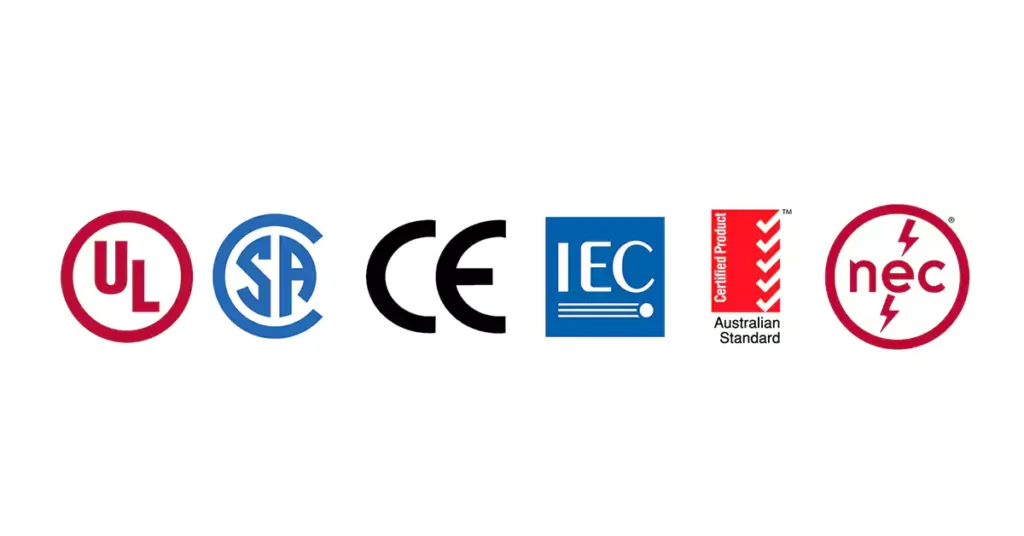
Für die Montage von Verbindungsstücken gelten zahlreiche Normen und Vorschriften; im Folgenden sind einige gängige aufgeführt:
Bei der Auswahl und Installation von PVC-Rohrverbindern ist die Einhaltung des National Electrical Code (NEC) unerlässlich. Der NEC enthält spezifische Vorschriften für die Verwendung von PVC-Fittings und -Verbindern, um sichere und zuverlässige Elektroinstallationen zu gewährleisten. Nachfolgend finden Sie eine Zusammenfassung der wichtigsten Punkte zu PVC-Rohrverbindern gemäß NEC:
Alle PVC-Rohrverbinder müssen von einer anerkannten Prüfstelle (z. B. UL) zertifiziert und gekennzeichnet sein, um ihre Einhaltung der Sicherheits- und Leistungsstandards zu bestätigen. Dies gewährleistet, dass die Verbinder so konstruiert, geprüft und gefertigt werden, dass sie die Mindestanforderungen an Qualität, Langlebigkeit und Sicherheit erfüllen.
Es ist wichtig zu prüfen, ob die Steckverbinder ordnungsgemäß mit Zertifizierungsetiketten oder Kennzeichnungen versehen sind, die bestätigen, dass sie diese Anforderungen erfüllen. Die Kennzeichnung gewährleistet zudem, dass die Steckverbinder für die jeweiligen Einsatzumgebungen geeignet sind (z. B. feuchte, korrosive oder Hochtemperaturbereiche).
PVC-Rohrverbinder sind für den Einsatz in einer Vielzahl von Umgebungen zugelassen, ihre Anwendung unterliegt jedoch spezifischen Richtlinien:
- Trockene, feuchte und nasse Standorte: PVC-Verbinder können in trockenen, feuchten und nassen Umgebungen eingesetzt werden, ihre Verwendung muss jedoch den jeweiligen Bedingungen angepasst sein.
- Korrosive Umgebungen: PVC is highly resistant to many chemicals and environmental conditions, making it suitable for use in corrosive environments, as long as the connectors are specifically approved for such applications. PVC can withstand the effects of chemicals, salt, and other harsh substances, ensuring long-term performance and protecting cables.
- Underground and Direct Burial Installations: PVC conduit and connectors are allowed for direct burial applications, provided they meet the requirements for strength and resistance to impact. In cases where PVC conduit is encased in concrete or buried underground, the connectors must be able to withstand potential abuse, such as impact and crushing, during installation and after installation.
PVC conduit connectors must be able to withstand specific environmental conditions such as extreme temperatures and physical stresses:
- Temperature Resistance: PVC connectors must be suitable for the temperature ranges expected in the installation. For example, the connectors should be rated to perform well in temperatures commonly found in the region, and they should not be used in areas with temperatures exceeding 50°C (122°F) unless they are specifically rated for high-heat applications.
- Protection Against Physical Damage: In areas where PVC conduit is exposed to physical damage, connectors must be chosen based on their ability to resist impact and crushing forces. Schedule 80 PVC connectors are recommended for such applications, as they are more robust and can provide better protection in areas where the conduit may be subject to impact or other physical damage.
To maintain the integrity of the conduit system, the NEC outlines guidelines for bends and expansion:
Bends: PVC conduit connectors should allow for proper bending without damaging the conduit or reducing its internal diameter. The bends should not exceed a certain number, and the radius of bends should be made with specific equipment to avoid damaging the conduit. Exceeding the number of bends or using improperly sized connectors can lead to installation difficulties or create an impedance for the conductors within the conduit.
Erweiterungsbeschläge: PVC conduit expands and contracts with temperature fluctuations. The NEC requires the use of expansion fittings to accommodate any length change of 6 mm (1/4 inch) or more in a straight run. These fittings help absorb the effects of thermal expansion and contraction, preventing stress on the conduit and connectors, and ensuring that the system remains intact and functional under varying temperature conditions.
The construction of PVC connectors must meet specific strength and durability requirements:
Resistance to Moisture and Chemicals: The connectors must be resistant to moisture, chemicals, and other environmental factors that could compromise the integrity of the system. This includes being able to withstand the impact of chemicals in industrial or outdoor applications.
Flame Retardancy and Impact Resistance: For above-ground use, connectors must be flame retardant and resistant to impact and crushing. In outdoor applications, PVC connectors should be able to resist UV radiation and prevent degradation from sunlight exposure.
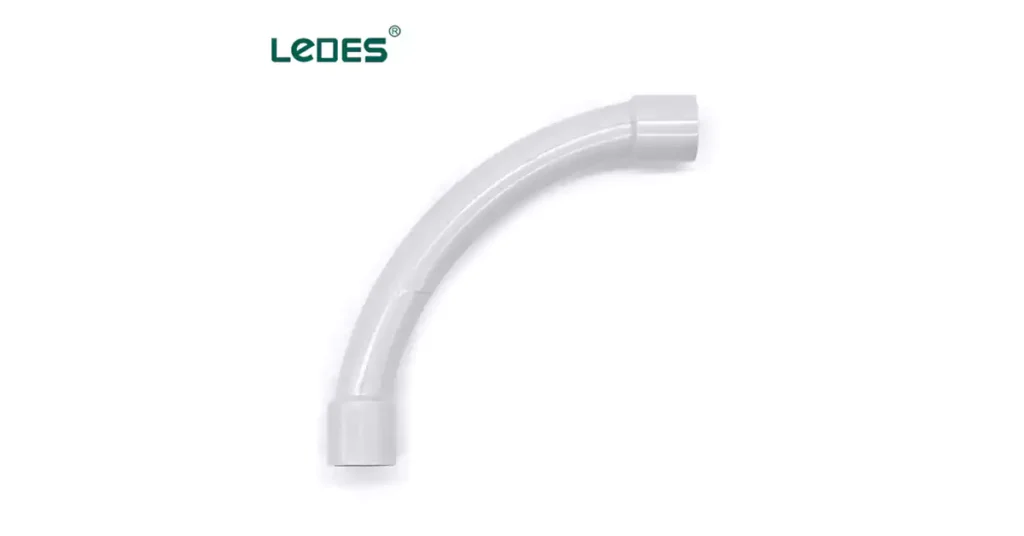
The Underwriters Laboratories (UL) is a globally recognized independent safety science organization that sets industry standards for safety, performance, and reliability. UL certifications are essential for ensuring that products meet stringent safety requirements, providing both manufacturers and end-users with confidence in the products’ quality and performance.
For PVC conduit connectors, complying with UL standards means that these connectors have been rigorously tested for various physical, chemical, and environmental stressors, ensuring that they will perform as expected in a variety of installations. This includes critical factors such as durability, fire resistance, and resistance to physical damage.
The two primary UL standards applicable to PVC conduit connectors are UL 651 Und UL 1653, which detail the construction, performance, and safety requirements for conduit systems and fittings. Let’s explore these standards and their relevance to PVC connectors.
UL 651 specifically addresses the requirements for rigid PVC conduit and associated fittings, ensuring they are safe for electrical installations. This standard includes a broad range of specifications for connectors, such as:
(Tipps: You can read our last post about UL listed PVC conduit requirements if you are interested in PVC electrical conduit parts.)
Maße: The standard provides precise dimensional requirements for PVC connectors to ensure proper fitting and compatibility with PVC conduits. This is crucial for maintaining a secure and efficient electrical system without compromising its safety.
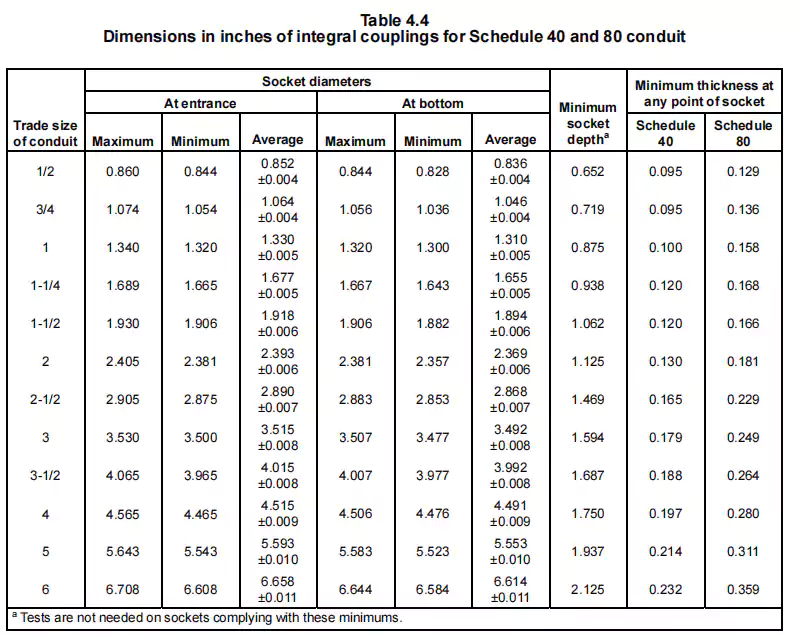
UL 651 Dimensions of Schedule 40 80 Conduit Couplings
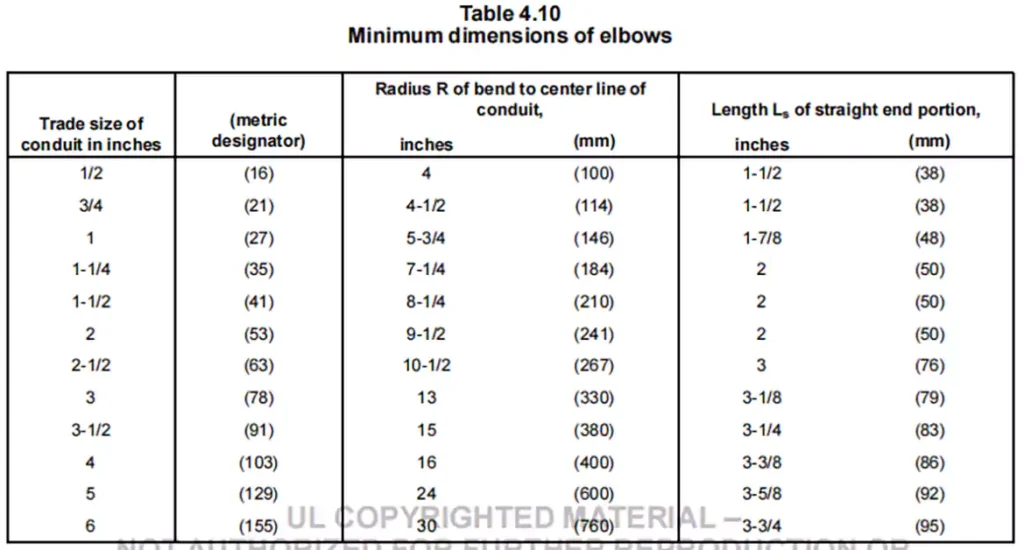
UL 651 Standard Dimensions of PVC Conduit Elbows
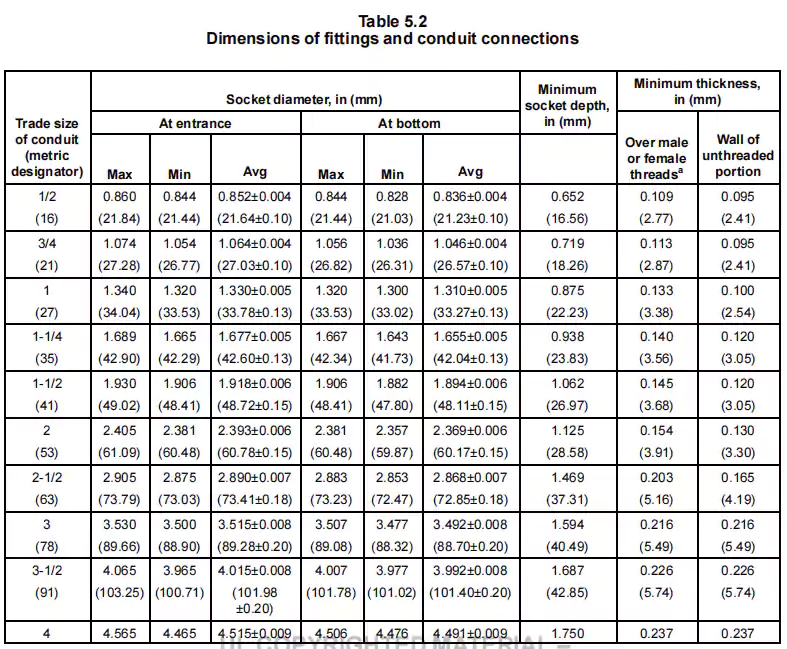
UL 651 Standard Dimensions of PVC Conduit Connections
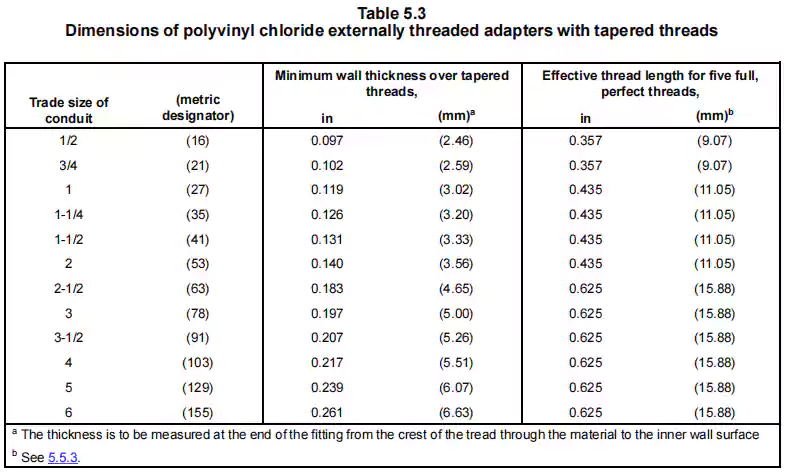
UL 651 Standard Dimensions of PVC Conduit Adapeters
Water Absorption: UL 651 tests the water absorption properties of PVC connectors, ensuring that they do not absorb excess moisture, which could potentially degrade their performance or lead to electrical hazards. This property is particularly important for outdoor and underground installations, where exposure to water is likely.
Entflammbarkeit: PVC connectors are required to meet strict flammability standards. UL 651 specifies that the connectors must be fire-resistant to prevent the spread of flames in the event of a fire. This is essential for electrical safety, especially in commercial or industrial applications where high-voltage systems could be present.
Heat Distortion: Connectors are also tested for heat resistance under various temperature conditions. The heat distortion test ensures that PVC connectors do not warp, bend, or lose their shape when exposed to high temperatures, which could otherwise result in compromised conduit integrity.
Crushing and Bending Resistance: UL 651 establishes that connectors must withstand crushing and bending forces during installation and throughout their use. This is particularly relevant for underground installations or locations where physical damage is more likely.
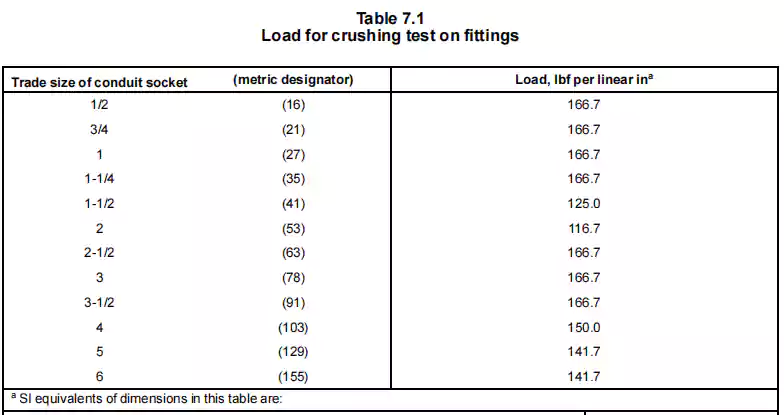
UL 651 Standard Load of Crushing Test of Conduit Fittings
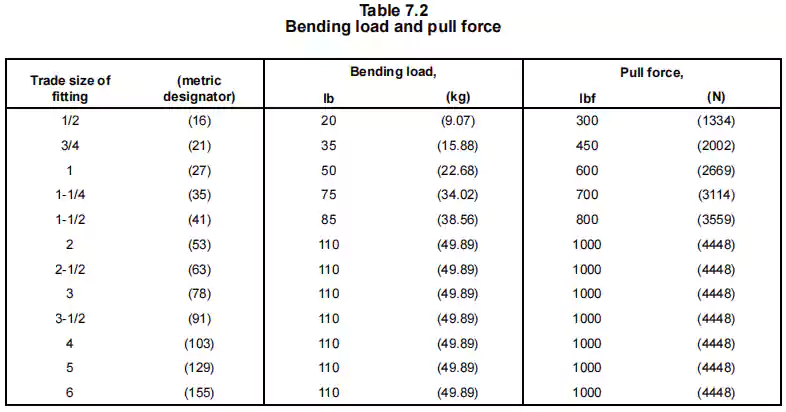
UL 651 Standard Bending Load and Pull Force Test of Conduit Fittings
Pull Test: The pull test evaluates the strength of the connection between connectors and conduits, ensuring that they remain securely in place and will not disconnect under stress or force.
Resistance to Specific Reagents: PVC connectors are tested for their ability to resist chemical exposure to various reagents, which is especially critical in corrosive environments or industries dealing with harsh chemicals.
UL 1653 focuses on the performance requirements for flexible nonmetallic conduits and their connectors. While more commonly associated with flexible conduits, this standard also provides important guidelines that apply to PVC connectors:
Bending and Pull Test: UL 1653 requires connectors to pass specific bending and pull tests, ensuring they do not fail or disconnect under normal installation and operating conditions. The bending test assesses the flexibility of connectors, while the pull test ensures that the connection is secure even under tension.
Flammbeständigkeit: Connectors are subjected to a flame test to determine how well they resist ignition and the spread of fire. UL 1653 mandates that the connectors must be flame retardant to meet safety standards, particularly in applications where fire safety is critical.
Schlagfestigkeit: The impact resistance test at minus 20 Degrees Celsius ensures that connectors can withstand physical shocks, drops, or blows without cracking or breaking. This is vital for installations where the system may be exposed to mechanical stresses, such as in industrial settings or outdoor environments.
Complying with UL 651 and UL 1653 standards ensures that PVC conduit connectors are safe, durable, and suitable for use in various environments. These standards cover critical factors such as flame resistance, impact resistance, water absorption, and chemical resistance, all of which contribute to the longevity and safety of electrical installations. UL certification is an essential mark of quality, providing confidence to both manufacturers and end-users that the connectors meet the highest industry standards for safety and performance.
(Tipps: You can read our last post about ENT tubing code compliance if you are interested in ENT conduit parts.)
The Canadian Standards Association (CSA) is a leading organization responsible for setting safety standards in Canada, similar to UL in the United States. For PVC conduit connectors, CSA certification ensures that products meet rigorous safety, performance, and construction requirements, providing essential protections for electrical systems in Canada. Two critical CSA standards governing PVC conduit connectors are CSA C22.2 Nr. 211.2 Und CSA C22.2 No. 227.1. These standards cover a variety of performance and construction specifications for PVC connectors to ensure their reliability and safety in diverse applications.
Tipps: Was DB2 conduit electrical code, you can read our last post to learn more about it.
CSA C22.2 No. 211.2 applies to PVC conduit connectors, including couplings, elbows, and bends. This standard outlines the dimensions, materials, and performance criteria required for the connectors used in electrical systems in Canada. Below are the key points covered by this standard:
Dimensions and Construction: This standard provides specific dimensional requirements for PVC connectors, ensuring that the connectors are appropriately sized to fit with the conduit they are meant to connect. Proper dimensions are crucial for maintaining a secure and leak-proof connection, which is essential for safety and proper electrical function. It also covers construction requirements, ensuring the connectors are made from durable and high-quality materials that will endure over time.
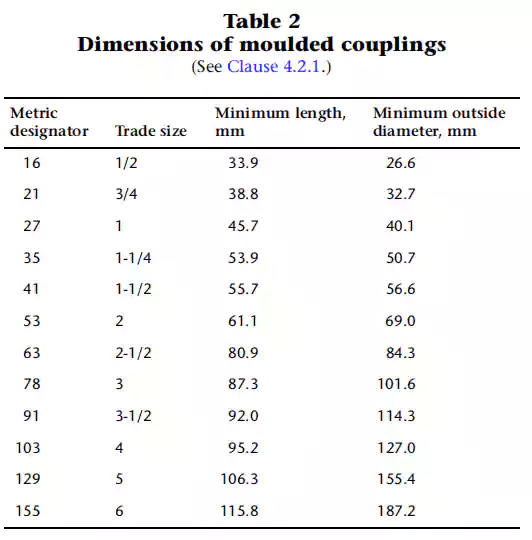
CSA C22.2 No. 211.2 Standard Dimensions Requirement of Conduit Couplings
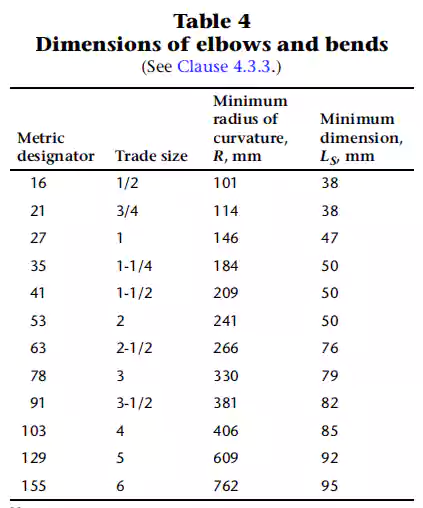
CSA C22.2 No. 211.2 Standard Dimensions Requirement of Conduit Elbows and Bends
Impact Resistance at Low Temperatures: One of the critical aspects covered by CSA C22.2 No. 211.2 is the impact resistance at low temperatures. PVC connectors must maintain their structural integrity even when exposed to cold conditions, as cold weather can cause some materials to become brittle and more prone to cracking. The standard specifies that connectors must withstand impacts at low temperatures without breaking or cracking.
Chemische Resistenz: Chemical resistance is another vital requirement. PVC connectors must be able to resist degradation or damage caused by exposure to common chemicals, including those found in industrial, commercial, and residential settings. This ensures the long-term durability of the connectors, especially in environments where chemicals are used or may come into contact with the connectors.
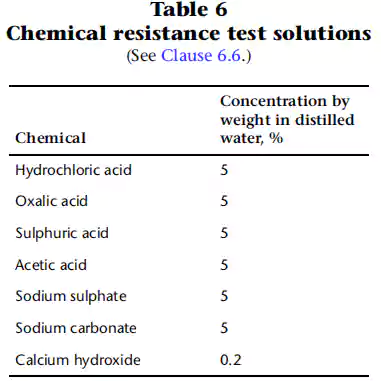
CSA C22.2 No. 211.2 Standard Chemical Resistance Test Required of Conduit Fittings
CSA C22.2 No. 227.1 applies to flexible nonmetallic conduit and connectors, aligning closely with the UL 1653 standard. While this standard focuses on flexible conduit systems, many of its performance requirements are also applicable to rigid PVC conduit connectors in terms of safety and reliability.
CSA C22.2 No. 85 also plays a vital role in regulating the performance of PVC conduit connectors in Canada. This standard is specifically concerned with the performance requirements for nonmetallic conduit fittings. It outlines the key criteria for ensuring that PVC connectors can withstand the demands of various environmental and physical conditions, providing a safe and reliable means of electrical wiring protection.
Key Performance Requirements
Maße:
This standard specified the dimension requirements for connectors such as adapters and reducers:
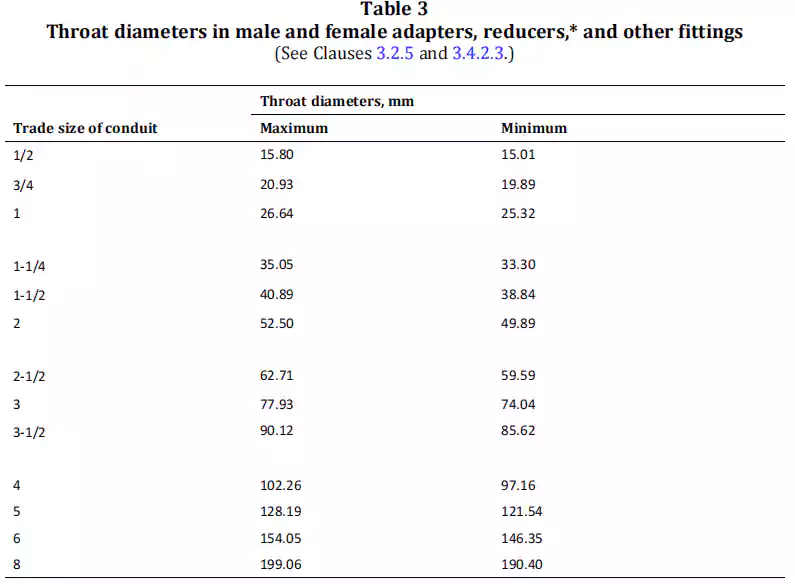
CSA C22.2 No.85 Standard Dimension Requirements for Conduit Connectors and Adapters
Water Absorption:
Water absorption is a critical factor for PVC conduit connectors, particularly for those used in outdoor or underground applications. CSA C22.2 No. 85 specifies that connectors must exhibit minimal water absorption to prevent material degradation and maintain long-term durability, especially in damp or wet environments.
Flammbeständigkeit:
As with other CSA standards, CSA C22.2 No. 85 requires that PVC connectors are flame-resistant. The connectors must not contribute to the spread of fire in the event of an electrical fault or short circuit. This requirement ensures that PVC connectors are suitable for use in high-risk areas where fire safety is a priority.
Physical Strength:
Crushing Resistance: PVC connectors must be able to withstand physical impacts without being crushed. This is important for maintaining the structural integrity of the conduit system in areas where the connectors might be subject to mechanical stresses or accidental impacts.
Impact Resistance at Low Temperatures: PVC connectors must retain their impact resistance at low temperatures. In colder climates or regions, PVC materials can become brittle. The standard ensures that connectors are not prone to cracking or breaking when exposed to low temperatures.
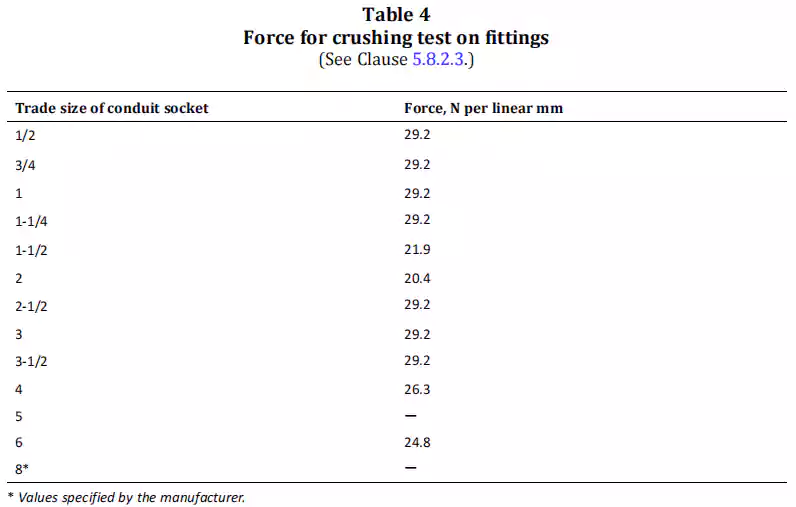
CSA C22.2 No.85 Standard Force for Crushing Test on Fittings Data Sheet
Biegefestigkeit: Similar to CSA C22.2 No. 227.1, CSA C22.2 No. 85 requires that PVC connectors can endure bending forces without damage. This is crucial for installations where the conduit system needs to be routed around corners or tight spaces.
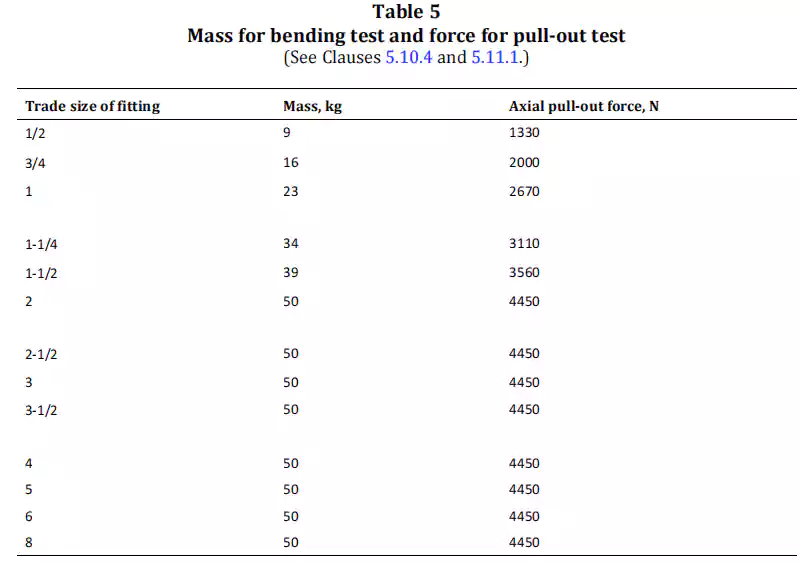
CSA C22.2 No. 85 Standard Bending Strength Test for Conduit Fittings
Chemische Resistenz:
PVC connectors must exhibit chemical resistance to ensure they are not degraded by exposure to common chemicals that may be found in the environment. This includes resistance to oils, solvents, and other corrosive agents that could damage the connectors over time.
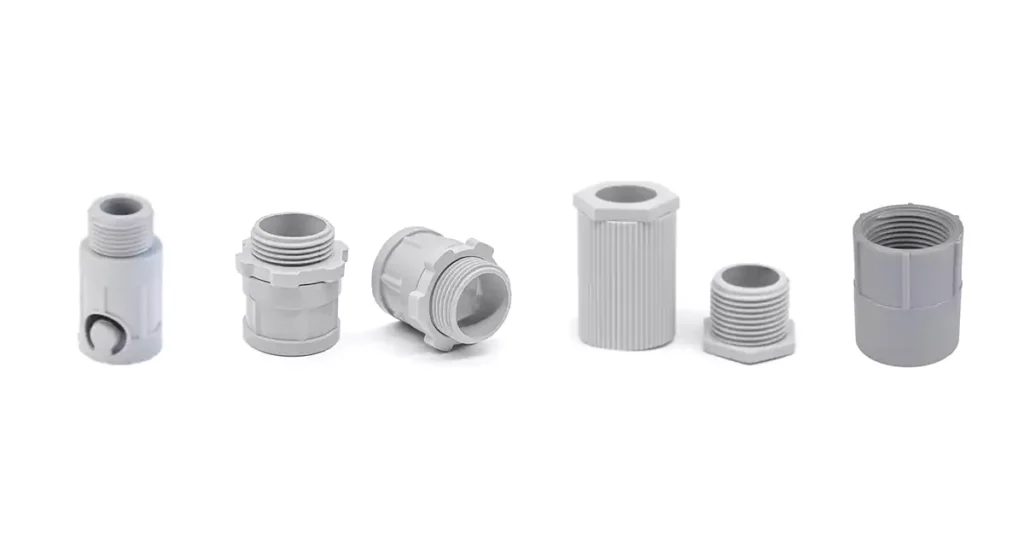
The IEC standards (IEC 61386-21, IEC 61386-23, and IEC 60423) provide essential guidelines for the design, performance, and installation of PVC conduit connectors. These standards ensure that connectors meet high safety, durability, and performance requirements in electrical installations.
- IEC 61386-21 focuses on the specific requirements for rigid PVC conduit fittings, ensuring they are resistant to physical damage, impact, and environmental stress while offering flame resistance.
- IEC 61386-23 expands on performance requirements for both rigid and flexible PVC conduit fittings, emphasizing impact resistance, temperature tolerance, Und chemical durability.
- IEC 60423 covers the dimensions, construction, and overall mechanical and electrical performance of PVC connectors, ensuring they maintain integrity and provide proper insulation.
By complying with these standards, PVC connectors are guaranteed to provide safe, durable, and reliable connections in electrical systems, helping prevent electrical hazards and ensuring long-term performance. These standards also ensure that connectors are compatible internationally, supporting consistent use across global electrical installations.
Hinweise: To IEC standard rigid PVC conduit code, you can read our last post for more details.
The AS/NZS 2053 series of standards outline the key requirements for PVC conduit connectors used in electrical installations across Australia and New Zealand. These standards ensure that connectors meet specific criteria for construction, performance, and durability.
- AS/NZS 2053.1 covers general requirements for PVC conduit and fittings, including material specifications, dimensional accuracy, Und electrical insulation.
- AS/NZS 2053.2 addresses the technical requirements for rigid PVC conduit connectors, emphasizing mechanical strength, flame resistance, Und temperature tolerance.
- AS/NZS 2053.5 focuses on connectors used in underground installations, ensuring they are resistant to corrosion, impact, Und moisture.
Together, these standards ensure that PVC conduit connectors are reliable, safe, and capable of withstanding various environmental conditions in electrical systems in Australian and New Zealand regions.
Profi-Tipps: Der AS/NZS PVC conduit electrical code; you can read our last post for expert insights.
ETL (Intertek) and CETL (Canadian ETL) are certifications that signify a product’s compliance with safety and performance standards in the United States and Canada, respectively. These certifications are recognized globally and provide assurance that the product meets stringent safety requirements, ensuring reliability in electrical installations.
The ETL Certification is issued by Intertek, an independent, globally recognized testing and certification organization. It signifies that a product has been tested and meets the applicable UL (Underwriters Laboratories) standards. ETL certified products have been evaluated for safety, performance, and compliance with regulatory requirements.
The CETL Certification is the Canadian equivalent of ETL certification, issued by Intertek. It ensures that the product complies with CSA (Canadian Standards Association) standards for safety and performance in Canada. The CETL mark is essential for products being sold and used in Canada, confirming that they have been tested to meet specific regulatory standards.
Choosing the right PVC conduit connector is crucial for ensuring the safety, reliability, and long-term performance of an electrical system. With various types of connectors available, it’s important to consider several factors to select the most suitable option for your project. Here are the key aspects to consider when choosing the right PVC conduit connector:
The first step in selecting a PVC conduit connector is to identify the application requirements. Different types of connectors are suited for various purposes, understanding the specific needs of your electrical system will help determine which type of connector is required for seamless integration.
PVC conduit connectors must be compatible with the type and size of conduit being used. Always match the connector with the specific type of conduit (e.g., Schedule 40, Schedule 80, or ENT) and ensure that the sizes of the connectors match the conduit diameter. Additionally, verify that connectors will work with other components, such as boxes, elbows, and adaptors.
- Material compatibility: For example, ensure that the connector is made from the same material as the conduit, such as rigid PVC oder flexible PVC, to maintain system integrity.
- Size compatibility: Ensure that connectors fit correctly with the conduit and other system parts, such as junction boxes or raceways.
The environmental conditions where the conduit system will be installed play a significant role in determining the right connector. PVC conduit connectors are designed for various environments, and it’s important to consider factors such as:
- Temperaturbereich: Choose connectors rated for extreme temperatures if your installation will be exposed to heat or cold.
- Exposure to chemicals: For industrial or outdoor environments, connectors may need to withstand exposure to chemicals, oils, or corrosive elements.
- UV-Beständigkeit: For outdoor or exposed installations, select connectors that are UV-resistant to prevent degradation from sunlight exposure.
Check product specifications for UV protection, weather resistance, and impact resistance for use in specific conditions.
Ensure that the PVC conduit connectors meet relevant NEC, UL, CSA, or IEC, AS.NZS standards for safety and performance. Certified connectors guarantee compliance with industry standards for electrical insulation, fire resistance, chemical resistance, and physical durability.
The ease of installation is another important consideration when choosing a PVC conduit connector. Some connectors are designed for quick and easy installation, requiring no special tools, while others may require more complex procedures. Look for features such as:
- Quick-connect features: Certain connectors have snap-fit or twist-lock designs for faster installation.
- Tool-free installation: Some connectors allow for easy assembly without the need for additional tools or equipment.
- Flexibility and adjustability: Ensure that connectors allow for proper alignment, adjustment, and sealing without excessive effort.
Choosing connectors that are easy to install can save time and reduce labor costs on the job site.
The durability of the PVC conduit connector is essential for ensuring long-term system performance. High-quality connectors are designed to withstand physical stress, vibration, and environmental wear. Choose connectors that are:
Schlagfest: Resistant to damage caused by physical forces, ideal for areas where impact or vibration is common.
Crush-resistant: Some connectors offer increased resistance to crushing, which is important for underground installations or where conduits are exposed to heavy loads.
Flammhemmend: In areas where fire safety is a concern, select connectors that meet flame retardant standards to minimize fire risks.
While cost is an important factor, it should not compromise the safety or performance of the electrical system. Opt for connectors that offer the best balance of quality and affordability. Investing in higher-quality connectors can result in long-term savings by reducing the risk of failures, replacements, and safety hazards.
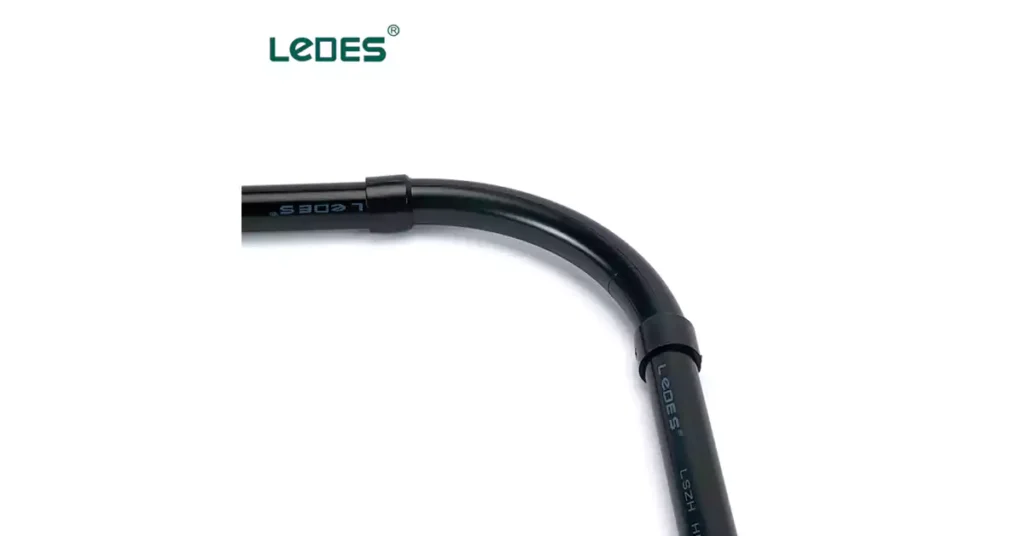
Proper installation of PVC conduit connectors is essential for ensuring a secure, durable, and code-compliant electrical system. While different types of connectors serve specific purposes, their installation processes often share common steps. This section provides a detailed guide on how to install various PVC conduit connectors effectively.
Regardless of the type of connector, there are some universal steps and considerations that apply to all installations:
- Gather the required tools and materials: Ensure you have the necessary connectors, PVC conduit, primer, PVC cement (if required), a measuring tape, and a conduit cutter.
- Check conduit and connector sizes: Verify that the connectors match the conduit diameter and type (e.g., Schedule 40, Schedule 80).
- Ensure clean and dry surfaces: Remove dirt, grease, or moisture from the conduit ends and connectors before assembly to ensure a secure fit.
- Plan the conduit layout: Before installation, map out the route, allowing for bends, offsets, and expansion fittings if necessary.
- Measure and mark the conduit at the required length.
- Use a PVC pipe cutter or saw to cut the conduit cleanly.
- Deburr the edges using a file or reamer to prevent rough edges from interfering with the connection.
- Dry-fit the components to check alignment before applying adhesive or fastening.
- Apply PVC primer and cement (if applicable) to the conduit end and the inside of the connector for a strong bond.
- Push the conduit into the connector with a slight twisting motion to ensure full insertion.
- Hold the joint firmly for a few seconds to allow the cement to set.
- Use appropriate sealing methods (e.g., gaskets or O-rings) for watertight connections in wet locations.
- Allow curing time for adhesive-based connections before exposing them to mechanical stress.
- Secure the conduit system with supports at recommended intervals per NEC or local electrical codes.
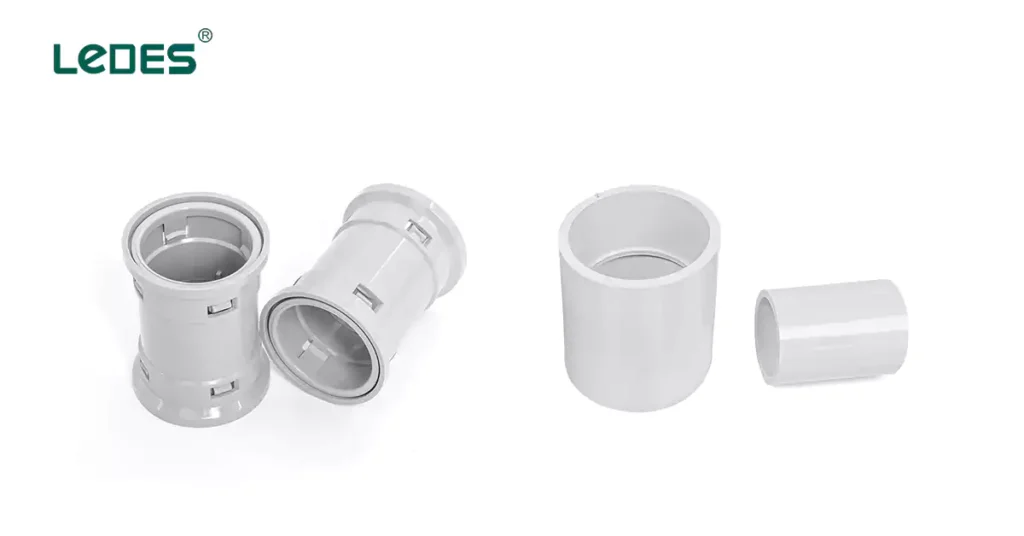
Adapters and Offsets
Connect PVC conduit to a electrical boxes, enclosures or threaded fittings.
- Apply PVC cement to the conduit side (if applicable) to connect conduit with connector, for connector that connect tubing and electrical boxes, just connect tubing tight with connector (with locking nuts on one side).
- Align the connector with knockout or electrical box opening and thread connector onto the box.
- Tighten the connection securely to avoid movement.
ENT-Kopplungen
Due the connectors’ design, the installation for them are quite easy.
- Measure and cut the ENT conduit to the required length.
- Deburr the cut ends to remove any rough edges.
- Insert each end of the ENT conduit into the coupling until it locks into place, ensure a firm grip.
- Ensure proper alignment of the conduit run before securing it with straps or supports.
For more detailed guidelines for electrical conduit installation, check our previous article.
Proper maintenance and care of PVC conduit connectors ensure the longevity and safety of electrical conduit systems. Regular inspection, cleaning, and timely replacement help prevent failures and maintain compliance with industry standards.
PVC conduit connectors should be inspected at least once a year or more frequently in harsh environments (e.g., outdoor installations, high-moisture areas, or industrial settings). During inspection, look for:
- Cracks or fractures due to mechanical stress or UV exposure.
- Loosening caused by temperature fluctuations or improper installation.
- Discoloration or brittleness, which may indicate material degradation.
- Moisture intrusion, especially in sealed connections.
Routine cleaning helps maintain the integrity of PVC conduit connectors. Follow these best practices:
- Use a soft cloth or brush to remove dirt and debris.
- Clean with mild soap and water—avoid harsh chemicals that can weaken PVC.
- For outdoor installations, rinse off accumulated dust and grime periodically.
- Ensure seals and gaskets (if applicable) are free from dirt to maintain water-tight connections.
Connectors should be replaced when they show signs of damage, such as:
- Visible cracks, brittleness, or discoloration.
- Loose connections that cannot be securely tightened.
- Signs of overheating or electrical arcing.
- Compromised water-tight seals leading to moisture ingress.
To replace a connector safely:
- Turn off power to the conduit system.
- Carefully remove the damaged connector.
- Install a new, properly sized connector.
- Secure and test the connection before restoring power.
Even with proper installation and maintenance, PVC conduit connectors may encounter issues over time. Below are common problems and their solutions.
Causes:
Improper solvent welding or loose snap-fit connections.
Dirt or debris preventing a proper seal.
Incorrect conduit type or size for the connector.
Solutions:
Reapply solvent cement if the bond is weak.
Ensure the connector is fully seated and locked in place.
Use the correct connector type for the conduit material.
Causes:
Excessive mechanical stress or impact.
Prolonged exposure to UV light (outdoor installations).
Low-temperature brittleness in extreme cold environments.
Solutions:
Use UV-resistant PVC connectors for outdoor use.
Choose impact-resistant connectors for high-stress areas.
Handle connectors carefully during installation to prevent cracking.
Causes:
Using a connector not rated for the conduit size.
Expansion and contraction due to temperature changes.
Manufacturing tolerances causing slight size variations.
Solutions:
Always verify connector sizing before installation.
Allow for thermal expansion by using expansion joints where necessary.
Use approved connectors from reputable manufacturers to ensure compatibility.
By implementing regular maintenance and addressing issues early, PVC conduit connectors can continue to perform safely and effectively, minimizing system failures and ensuring compliance with electrical safety standards.
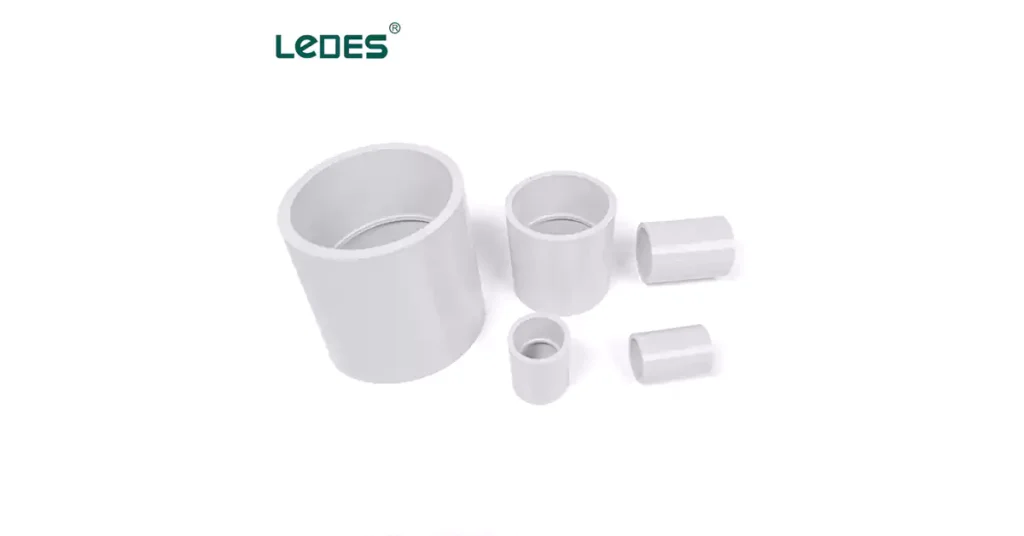
When purchasing PVC conduit connectors, selecting a reliable supplier is crucial to ensuring product quality, compliance with industry standards, and long-term performance. Several top manufacturers and suppliers provide high-quality electrical fittings, including conduit connectors, for various applications.
A leading U.S.-based manufacturer specializing in PVC electrical conduit and fittings.
Offers a wide range of UL-listed conduit connectors, couplings, and adapters for commercial and industrial use.
Known for its durable, high-quality products that meet NEC and UL requirements.
A major provider of thermoplastic piping and electrical solutions in North America.
Supplies PVC conduit connectors designed for residential, commercial, and industrial applications.
Offers corrosion-resistant fittings that comply with CSA and UL standards.
A global supplier with a strong focus on low-smoke, halogen-free, and solar conduit fittings.
Provides heavy-duty and UV-resistant conduit connectors for demanding environments.
Offers a full range of electrical conduit solutions, including connectors compliant with UL, CSA, and IEC standards.
One of the largest manufacturers of PVC pipes and fittings in North America.
Supplies a broad range of electrical conduit and fittings, including Schedule 40 and Schedule 80 PVC conduit connectors.
Known for its high-strength, corrosion-resistant products.
A key supplier of plastic piping systems in Australia, offering a variety of PVC conduit solutions.
Provides AS/NZS-compliant PVC connectors for electrical installations.
Offers robust conduit solutions for both underground and above-ground applications.
When selecting PVC conduit connectors, consider the following factors to ensure you get the right product for your application:
Ensure the connectors meet UL, CSA, IEC, or AS/NZS standards, depending on regional requirements.
Look for UL-listed or CSA-certified markings for safety assurance.
Choose high-impact, UV-resistant, and flame-retardant connectors for outdoor and industrial environments.
Low-smoke, halogen-free options are ideal for safety-critical applications.
Match the connector type with your conduit (e.g., rigid PVC, ENT, or liquid-tight).
Ensure the correct size and threading for secure installation.
For outdoor use, select UV-stabilized connectors that can withstand harsh weather conditions.
In chemical or high-moisture environments, look for connectors with corrosion and moisture resistance.
Consider connectors with quick-lock mechanisms or threaded designs for easy installation.
Check for pre-lubricated or pre-assembled options to save installation time.
By selecting high-quality connectors from reputable manufacturers and considering key factors like compliance, durability, and compatibility, you can ensure a secure and long-lasting electrical conduit system.
PVC conduit connectors play a crucial role in ensuring safe, efficient, and long-lasting electrical installations. By providing secure connections, protection against environmental factors, and compliance with industry standards, these connectors help maintain the integrity of conduit systems across residential, commercial, and industrial applications.
When selecting PVC conduit connectors, it’s essential to consider factors such as compliance with UL, CSA, IEC, or AS/NZS standards, durability, material quality, and ease of installation. Choosing high-quality connectors from reputable manufacturers ensures reliable performance and reduces the risk of connection failures, breakage, or improper fitment.
For installation, following best practices—such as properly securing fittings, ensuring tight connections, and conducting regular inspections—helps maintain the system’s efficiency and safety. Additionally, adhering to NEC, IEC, or local electrical codes guarantees compliance and minimizes potential hazards.
By selecting the right PVC conduit connectors, installing them correctly, and maintaining them over time, you can ensure a safe, efficient, and code-compliant electrical system for any application. Always prioritize quality and best practices to achieve long-term reliability in your conduit installations.
Wie schließe ich ein PVC-Rohr an eine Verteilerdose an?
Zum Anschluss von starren PVC-Rohren an eine Verteilerdose wird häufig ein Klemmenadapter benötigt. Dieser wird mit PVC-Kleber an einem Ende des Adapters befestigt und das andere Ende mit dem Gewinde der Verteilerdose verbunden. Die detaillierten Installationsschritte finden Sie im Installationsleitfaden dieses Artikels.
Was ist ein flexibler Leitungsverbinder?
A flexibler Leitungsverbinder is a fitting designed to join flexibler Schlauch to an electrical box, enclosure, or another conduit. It helps secure and protect wiring while allowing for movement and vibration resistance.
Types of Flexible Conduit Connectors
- Snap-in Connectors – Quick and easy installation, commonly used for ENT (Elektrische nichtmetallische Rohre).
- Threaded Connectors – Screw-on type for liquid-tight Und flexible metallic conduits (FMC).
- Compression Connectors – Provide a tight seal for liquid-tight flexible conduit (LFMC) to keep out moisture.
- Set-Screw Connectors – Use a small screw to clamp onto the conduit.
- Clamp Connectors – Have a clamp mechanism to hold the conduit securely.