انتقل إلى المحتوى


جدول المحتويات
The Invisible Thread Binding the Modern World
Picture this: a team of scientists from three continents collaborating in real time to develop life-saving vaccines. A student in a rural village attends a virtual lecture from one of the world’s top universities. A family spread across multiple time zones comes together for a video call, celebrating a loved one’s milestone. These moments, so integral to our modern existence, are made possible by something we rarely think about – the vast and intricate web of telecommunications infrastructure and comms conduit that spans the globe.
At the heart of this infrastructure lies the قناة الاتصالات, the physical channels that enable data to flow seamlessly between individuals, businesses, and nations. Whether buried beneath city streets, stretched across oceans, or threaded through towering buildings, these conduits are the unsung heroes of our hyper-connected age.
In this post, we will explore the transformative role of communication conduits in shaping how we live, work, and interact. From powering global business operations to bridging cultural divides and fostering innovation, telecom network infrastructure has redefined the possibilities of connection. We’ll uncover its importance in today’s society and examine how this infrastructure will continue to evolve to meet the demands of a rapidly digitizing world.
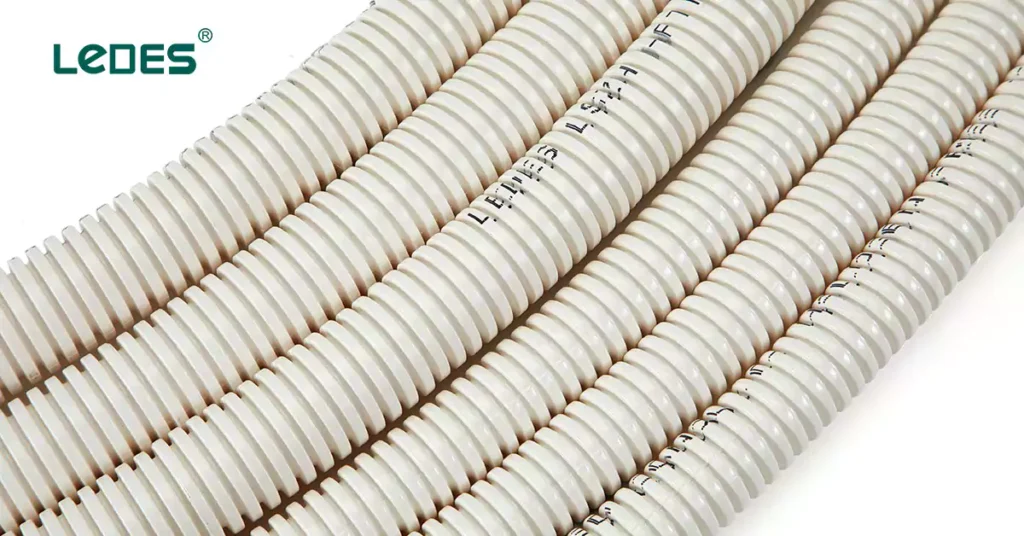
At its core, a communication conduit, often referred to as a comms conduit or telecommunications conduit, is a physical pathway used to house and protect the cables and wiring that transmit data across vast networks. These conduits are essential components of telecom network infrastructure, enabling the reliable and efficient flow of information. Typically constructed from durable materials like PVC, HDPE, or metal, communication conduits shield their contents from environmental elements, physical damage, and interference, ensuring the seamless transfer of data that modern life depends on.
Communication conduits are used across a range of applications, from urban fiber optic networks to rural broadband installations, and even in the deep-sea infrastructure that connects continents. These conduits can be buried underground, run along buildings, or even suspended on poles, forming the backbone of our telecommunications infrastructure.
To fully appreciate the role of communication conduits, it’s essential to understand the related industry terms and the key components that work in tandem to support global connectivity.
If you would like to learn more details, you can read our last post about the types and purposes of communication conduit.
Fiber optic cables are the lifeblood of modern telecom networks. They use strands of glass or plastic fibers to transmit data as pulses of light, offering unparalleled speed and capacity compared to traditional copper cables.
Fiber optic cables are typically encased within communication conduits to protect them from physical damage, weather conditions, and electromagnetic interference. This combination of fiber optics and conduits forms the high-speed highways for data transmission.
Cell towers serve as critical hubs for wireless communication. They transmit and receive radio signals to and from mobile devices, enabling voice calls, text messages, and mobile internet access.
These towers often rely on fiber optic cables running through communication conduits to connect them to the broader telecom network, ensuring high-speed data transfer between the tower and the core network.
Undersea cables are the hidden giants of global connectivity. Stretching across oceans and seas, these cables form the backbone of international telecommunications, carrying around 99% of all transoceanic internet data.
Protected by layers of armor and often laid within specialized conduits on the ocean floor, undersea cables connect countries and continents, enabling everything from video calls to e-commerce.
While undersea cables dominate long-distance data transmission, satellites play a crucial role in areas where physical infrastructure is challenging to deploy, such as remote regions, mountainous terrains, and disaster-stricken zones.
Satellites rely on ground stations, connected through communication conduits, to receive and transmit data, creating a bridge between orbiting networks and terrestrial systems.
Routers are the traffic directors of telecom networks. They manage data flow between devices and networks, ensuring that information reaches its intended destination.
Positioned at key network nodes, routers connect to fiber optic cables housed in communication conduits, forming the critical intersections in data transmission pathways.
Communication conduits serve as the protective channels for these components, ensuring their optimal functionality. By housing fiber optic cables, linking cell towers, and forming pathways for other network equipment, conduits enable the seamless operation of telecom systems. Their importance lies in their ability to adapt to diverse environments—be it urban, rural, or underwater—and provide the durability and scalability needed to support the increasing demands of digital connectivity.
As we move further into the digital age, the demand for robust and expansive telecom infrastructure will only grow, and communication conduits will remain a cornerstone of this evolution.
Communication conduits, or ducts, are the structural backbone of modern telecom infrastructure, facilitating the secure and efficient transfer of data across vast networks. Their designs and materials vary significantly depending on regional standards, environmental conditions, and intended applications. This section delves into the classifications and uses of communication conduits in three major regions—America, Canada, and Australia—highlighting their unique requirements, material preferences, and industry-specific applications.

In the United States, communication conduits are classified by Direct Burial (DB) and Encased Burial (EB) standards, as well as by the materials used. These conduits play a critical role in protecting telecom cables in both underground and encased installations, offering solutions for diverse environmental and mechanical stress conditions.
- EB20 and EB35 Duct are commonly used in projects where conduits are encased in concrete.
- EB20 has thinner walls and is used for lighter-duty applications.
- EB35 has thicker walls for high-stress environments, such as beneath roadways and heavily trafficked areas.
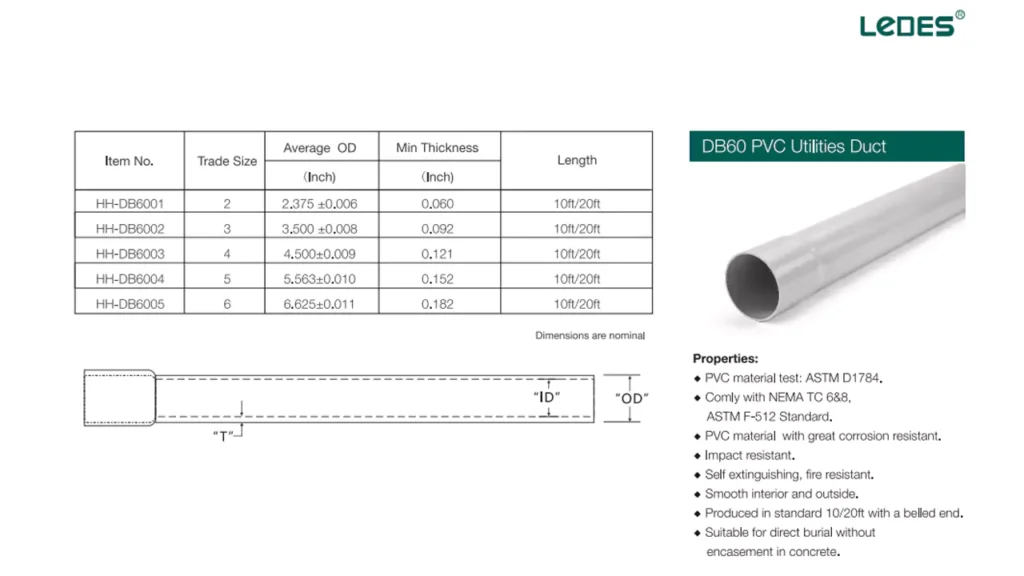
- DB60 Duct: A medium-duty conduit used for shallow burial in residential or commercial applications.
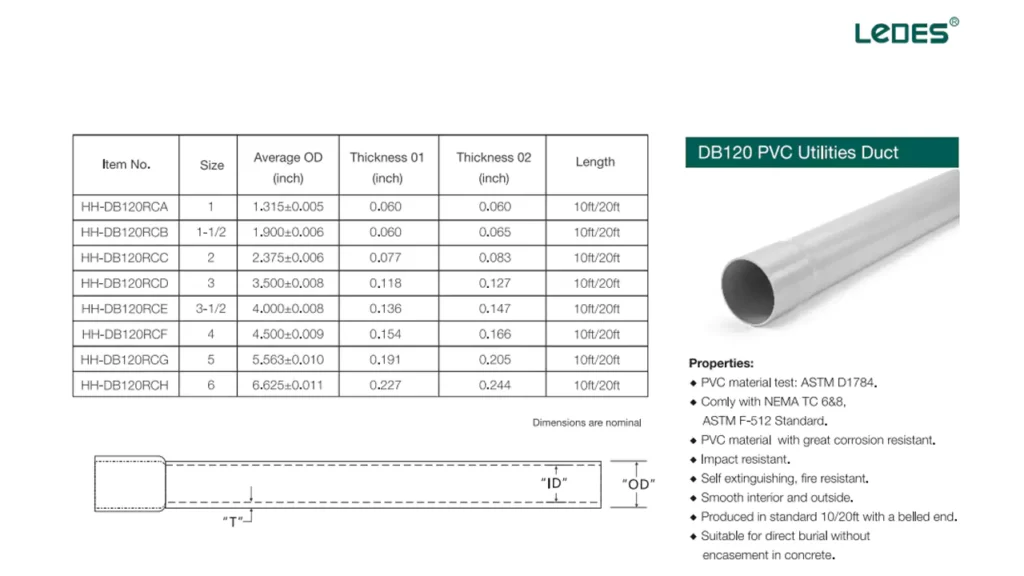
- قناة DB120: A heavy-duty conduit with thicker walls, suitable for deeper burial or under areas subject to heavy loads, such as highways.
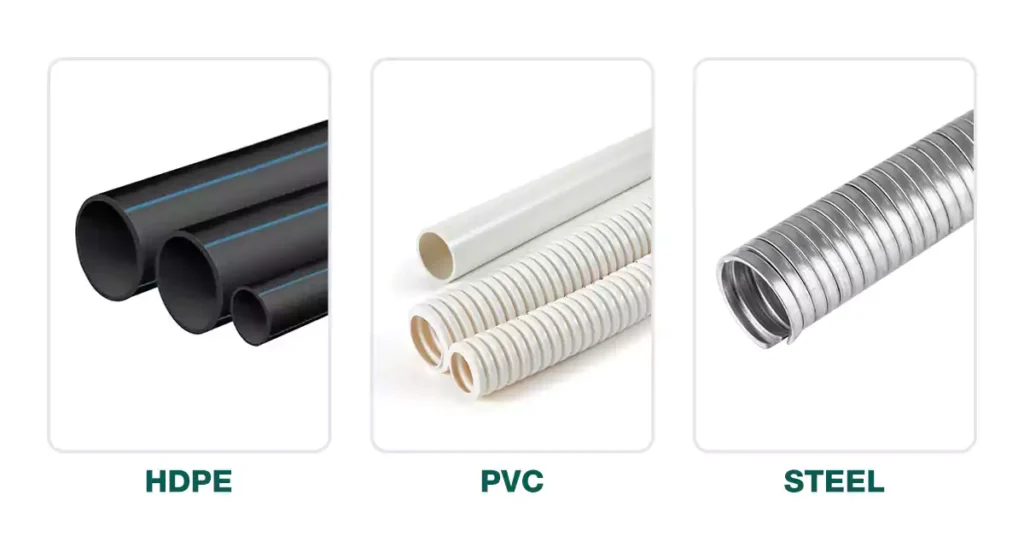
Widely used due to its resistance to corrosion and chemicals, cost-efficiency, and ease of installation.
Flexible and impact-resistant, it is commonly used for long-distance fiber optic networks and trenchless installations.
Durable and highly protective, steel conduits are used in industrial or high-risk environments where maximum mechanical strength is required.
Urban Infrastructure: EB ducts like EB35 are used in high-traffic areas where concrete encasement provides added protection.
Long-Distance Telecom Networks: HDPE conduits are preferred for flexible underground deployments, especially in trenchless applications.
Industrial Settings: Steel conduits are used where exposure to mechanical stress or potential damage is high.
In Canada, communication conduit standards are tailored to the country’s challenging environmental conditions, such as extreme cold and frost heave. The DB series dominates Canadian telecom conduit standards, providing reliable protection in both urban and remote applications.
DB2 conduit is a lighter-duty conduit used for shallow burial and residential applications.
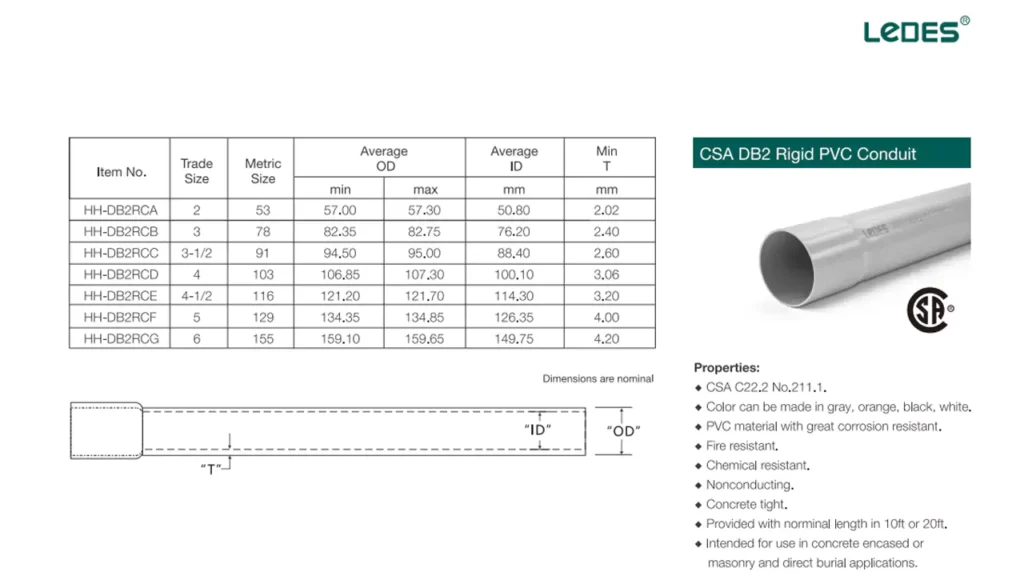
Steel conduits are also used in Canada for environments requiring additional mechanical protection, particularly in industrial applications.
Underground Telecom Networks: DB-rated conduits like DB2 are used for direct burial to protect fiber optic and data cables.
Cold-Climate Installations: Conduits are engineered to resist frost heave and temperature fluctuations, ensuring durability in harsh conditions.
Industrial Environments: Steel conduits are used in heavy-duty or high-risk areas, ensuring maximum protection against physical damage.
Australia’s vast geography and diverse environmental conditions, ranging from urban centers to remote deserts, require communication conduits that can withstand UV exposure, soil movement, and other challenges. Australian communication conduits adhere to AS/NZS standards, focusing on durability and adaptability.
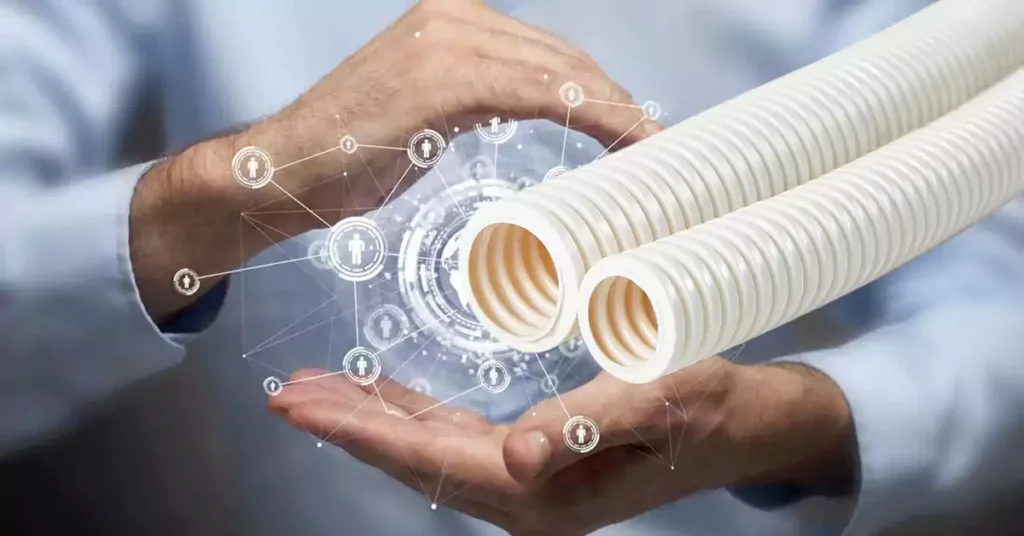
MD Communocation Conduit, including rigid conduit and قناة مموجة are widely used for their UV resistance and durability in outdoor and above-ground installations.
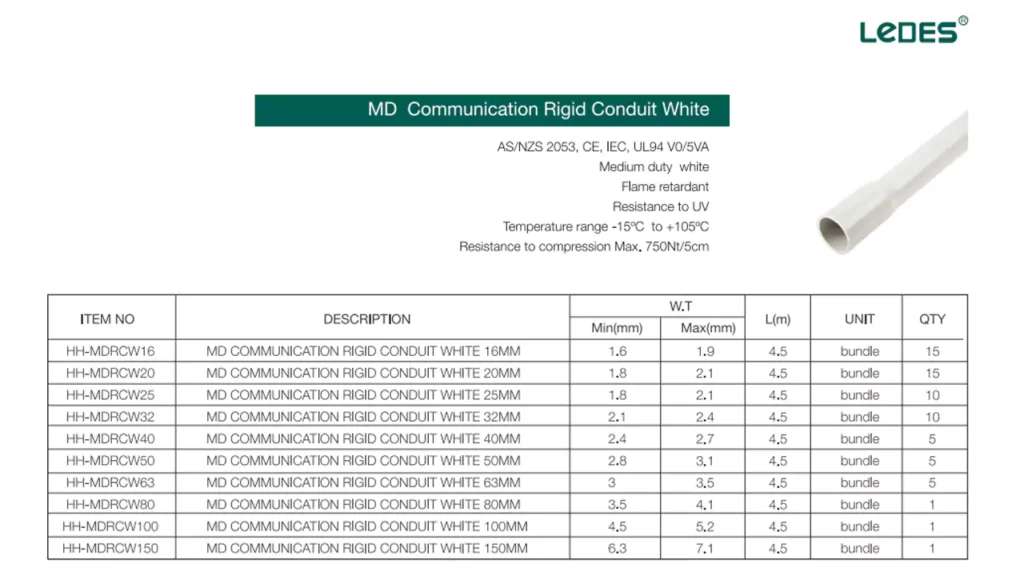
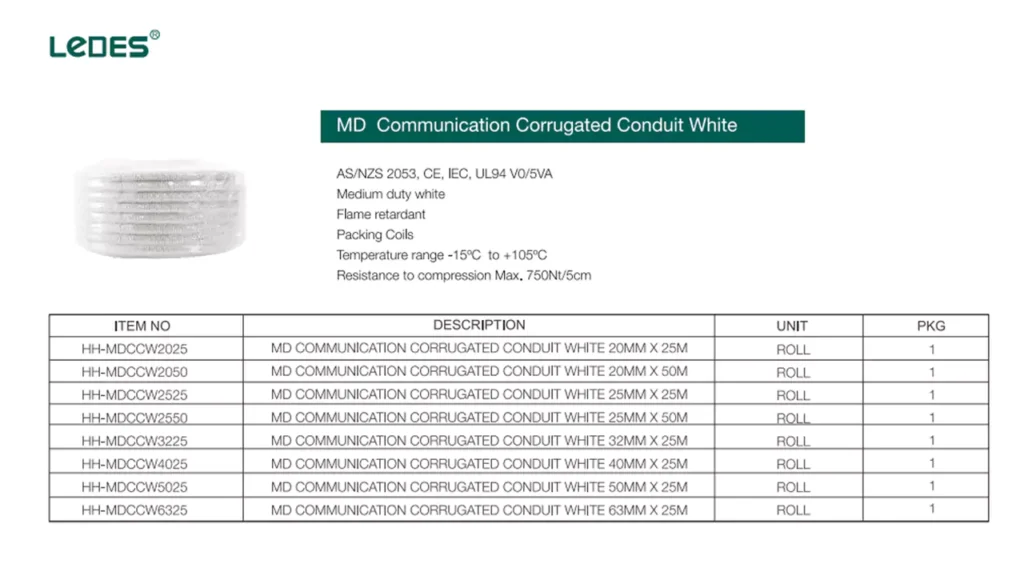
Used in underground installations, providing flexibility for trenchless methods and protection in shifting soils.
Deployed in industrial settings or for projects requiring extreme mechanical protection.
In Australia, the color of communication conduits is often standardized to aid in identification during installation and maintenance. According to guidelines referenced in AS/NZS 2053 and AS 1345, different colors are associated with specific uses:
أبيض: Data and telecommunications conduits.
رمادي: Electrical conduits installed above ground.
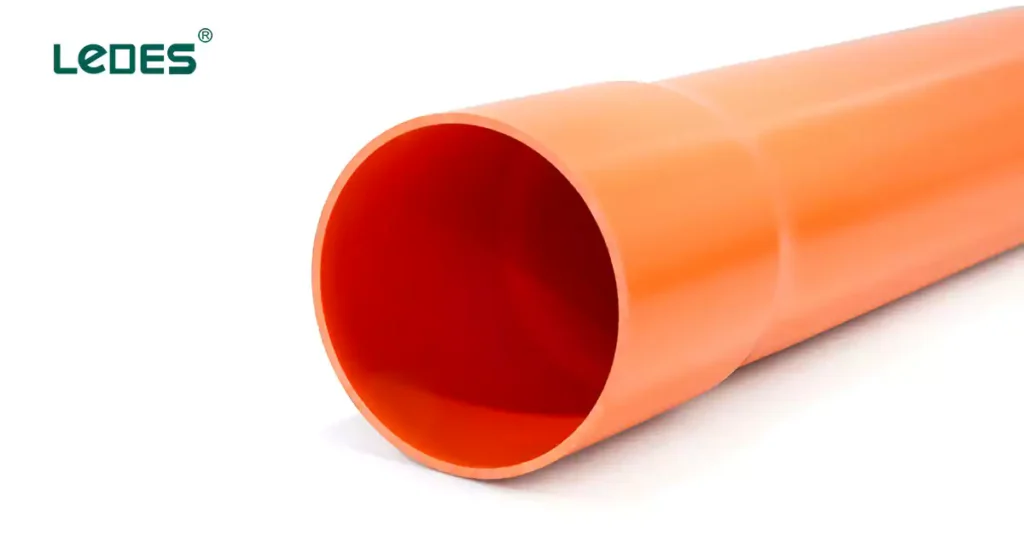
البرتقالي: Electrical conduits installed below ground.
These color codes simplify the identification of conduits in various environments, ensuring that the appropriate pipes are used for their intended purpose. For example, white conduits are explicitly used for data and telecom purposes, making it easier to distinguish them from electrical conduits in mixed-use installations.
While the AS/NZS 2053 standard does not explicitly mandate color specifications for electrical and communication conduits, other guidelines, such as AS 1345 and PIPA Guideline POP203, offer practical recommendations for color coding based on the location and type of installation.
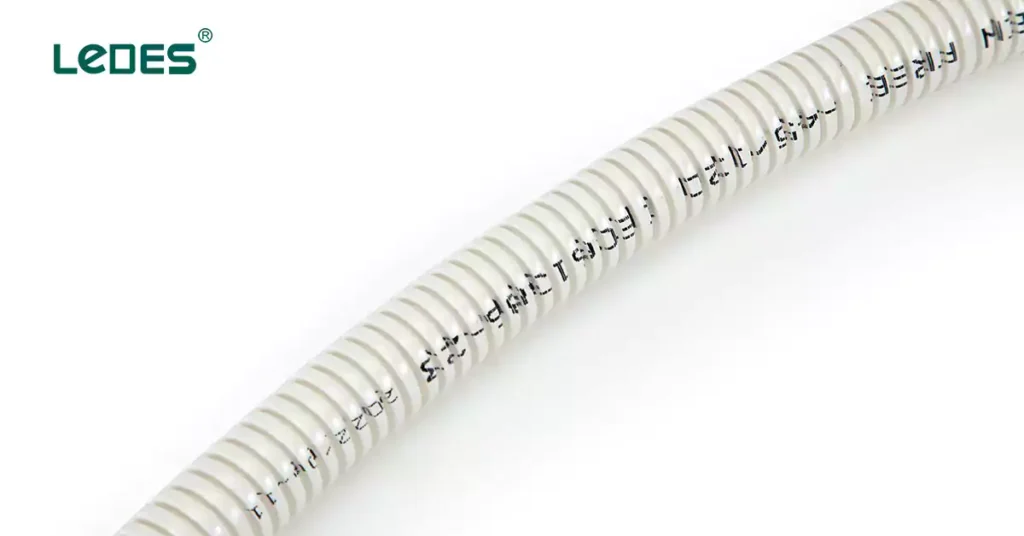
At their core, comms conduits serve a straightforward yet critical purpose: to protect and organize telecom cables. Whether they are buried underground, mounted above ground, or installed within buildings, these conduits shield cables from physical damage, environmental stress, and interference.
Without comms conduits, telecom infrastructure would face frequent failures, increased maintenance costs, and reduced efficiency. The reliability of high-speed internet, uninterrupted mobile services, and robust data centers depends significantly on the proper deployment of communication conduits.
The comms conduits play important roles in telecom infrastructure running,
- Protection and Durability:
Conduits protect sensitive fiber optic cables, coaxial lines, and power cables from physical damage, moisture, and environmental wear. Whether buried underground, laid undersea, or installed in urban areas, conduits safeguard the integrity of telecom systems.
- إدارة الكابلات:
Efficient cable organization is essential for modern networks. Communication conduits streamline installations, allow for future upgrades, and minimize network disruptions during maintenance or repairs.
- Scalability and Growth:
Telecom networks must evolve to meet growing demands. Conduits enable easy expansion of networks by providing a structured system for adding or replacing cables.
- Versatility in Application:
Whether made of PVC, HDPE, or steel, communication conduits are designed to meet diverse requirements. They can handle high-traffic urban environments, extreme weather conditions, or long-distance data transfers via undersea cables.
Beyond their physical role, communication conduits influence the telecom industry in transformative ways.
- Supporting Business Growth:
For businesses, reliable telecom infrastructure is essential for operations. Conduits enable fast data transmission, facilitating secure e-commerce transactions, seamless video conferencing, and cloud-based services. They empower companies to adopt remote work models, access global talent pools, and enhance productivity.
- Driving Innovation in the Digital Economy:
Communication conduits underpin the digital economy, enabling online platforms, fintech services, and e-learning systems. By supporting fast and secure connectivity, conduits allow startups and enterprises to innovate, expand, and thrive in a highly competitive market.
- Fostering Global Connectivity:
Communication conduits bridge distances, allowing individuals and businesses to connect across the globe. This fosters economic collaboration, cultural exchange, and the sharing of ideas, driving social and economic progress.
- Addressing the Digital Divide:
In underserved areas, where connectivity is limited, conduits play a crucial role in bringing reliable internet and telecom services. Governments and private sectors use these conduits to expand networks, providing more people with access to education, jobs, and healthcare.
- Enabling Emerging Technologies:
Communication conduits are crucial for accommodating the infrastructure needs of 5G networks, smart cities, and the Internet of Things (IoT). These innovations rely on high-speed, low-latency connections, made possible by the protection and efficiency that conduits provide.
- Improving Network Security:
In a world where data breaches are a growing threat, conduits add a layer of physical protection to critical telecom lines. They guard against tampering, environmental hazards, and accidental damage, ensuring secure and reliable data transfer.
While power conduits and communication conduits may appear similar in structure and materials, their purposes, designs, and requirements differ significantly. Both play crucial roles in modern infrastructure, but understanding their distinctions is essential for selecting the right solution for specific applications.
Power Conduits:
Power conduits are designed to house and protect electrical wiring that transmits electricity. They are primarily used in residential, commercial, and industrial settings to ensure safe and efficient electrical distribution. The جدول 40 القناة is a typical power conduit, for example.
Example Applications:
Power supply to buildings, machinery, and streetlights
Electrical systems in factories and large facilities
Communication Conduits:
Communication conduits protect low-voltage cables used for transmitting data, signals, and communication. These conduits ensure the integrity of fiber optic, coaxial, or Ethernet cables in telecom networks. The types EB, DB (USA and Canada) and medium-duty white PVC conduit (Australia) are typical communication conduits.
Example Applications:
Fiber optic networks for high-speed internet
Telephone, television, and data transmission systems
Undersea data cables
Power Conduits:
Power conduits handle high-voltage electrical wires, typically carrying alternating current (AC) or direct current (DC). These voltages range from low residential power (120-240V) to industrial levels exceeding 10kV.
Communication Conduits:
Communication conduits carry low-voltage signals or optical data pulses, typically below 60V. These signals are more sensitive to interference, making proper shielding and separation essential.
Power Conduits:
Governed by electrical codes such as the National Electrical Code (NEC) in the U.S. and Canadian Electrical Code (CEC) in Canada.
Must meet specific safety standards for voltage capacity, grounding, and insulation.
Communication Conduits:
Governed by telecommunications standards like ANSI/TIA or specific guidelines for fiber optic and data cabling.
Often installed in separate pathways from power conduits to reduce electromagnetic interference (EMI).
Power Conduits:
Since they carry high voltage, power conduits require insulation and must be placed at safe distances from sensitive electronic equipment to prevent electrical hazards.
Communication Conduits:
Because data signals are sensitive to interference, communication conduits are typically installed away from power conduits. Shielding and grounding are used to reduce EMI and maintain signal quality.
The common applications of power and communication conduits are different,
Different Application Between Power and Communication Conduits
ميزة | Power Conduits | Communication Conduits |
Primary Purpose | Transmitting electrical power | Transmitting data and communication signals |
Common Locations | Buildings, factories, outdoor power lines | Data centers, telecom towers, undersea cables |
مواد | PVC, steel, aluminum | PVC, HDPE, composite polymers |
Key Standards | NEC, CEC, IEC | ANSI/TIA, ISO/IEC for telecom systems |
Voltage Levels | High-voltage | Low-voltage or data signals |
To ensure safety and performance, power and communication conduits are kept separate during installation:
Safety Concerns:
High-voltage cables in power conduits can cause electrical hazards if not properly isolated. Separation prevents accidents and equipment failures.
Signal Quality:
Power lines can generate electromagnetic fields, causing interference with low-voltage communication cables. Dedicated communication conduits maintain the integrity of data signals.
الامتثال للقوانين:
Electrical and telecom codes mandate separation distances and shielding to ensure compliance and operational efficiency.
Understanding the codes and standards for communication conduits is essential for ensuring compliance, safety, and optimal performance in telecom infrastructure. These regulations govern everything from the materials used to the installation techniques, ensuring the protection and efficiency of the telecom network. Here, we will explore the key standards and codes for communication conduits in Australia, the United States, and Canada, focusing on some of the most significant ones, including the NEMA TC-10, NEC, and other relevant national standards.
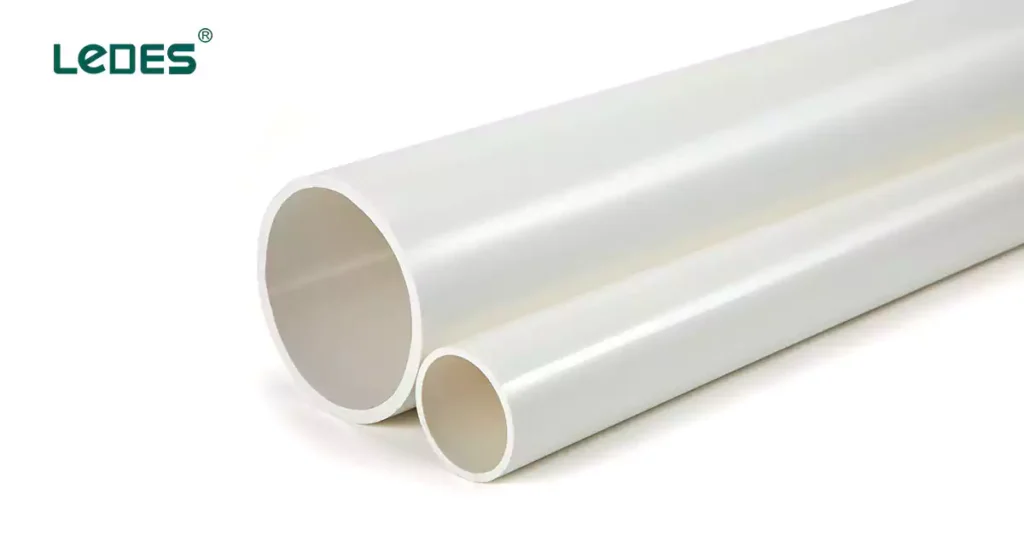
Australia’s communication conduit standards are outlined in several key documents that provide guidelines for the construction, installation, and use of conduits in telecom and data applications. Key Australian standards include:
AS/NZS 2053: This standard covers the installation of communication cables and provides specifications for telecommunication conduit systems, ensuring their safety, durability, and effective operation. The AS/NZS 2053 series includes guidelines on the installation of both indoor and outdoor conduit systems and defines their compatibility with various cable types.
AS/NZS 4296: This standard is concerned with the installation of telecommunications cabling and the physical protection of cables, including the use of conduits. It provides requirements for pathways, supports, and conduit systems to ensure safe operation and long-term reliability of telecommunication installations.
AS/NZS 5033: This standard primarily addresses the installation of photovoltaic (solar) systems, including the requirements for communication cables that may be part of the solar power systems. The conduits used in these installations must meet both safety standards and compatibility with the electrical systems.
AS 4702: This standard defines the requirements for communication cables used in optical fiber installations, including conduit protection against external forces. It ensures that cables are properly shielded from mechanical damage.
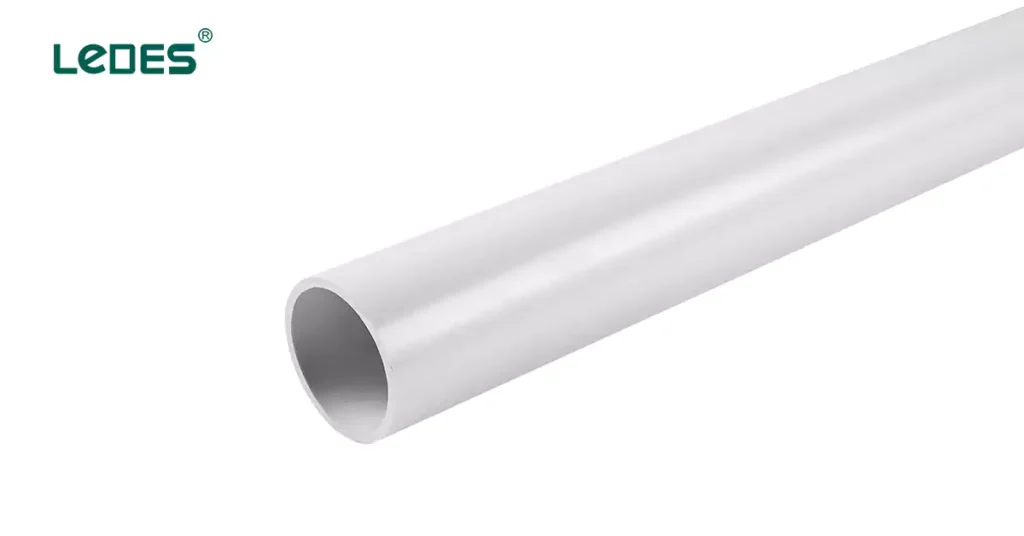
In the United States, a comprehensive set of codes and standards governs telecommunication conduit systems. These standards define the physical requirements, performance specifications, and installation methods for communication conduits to ensure safety, reliability, and effectiveness. Key standards include:
NEMA TC-6 & TC-8: The National Electrical Manufacturers Association (NEMA) provides these standards for telecommunication conduits. NEMA TC-6 is for non-metallic conduits such as PVC and HDPE, while NEMA TC-8 is for corrugated conduit systems. These standards focus on the material, design, and performance of the conduits used in the telecom industry.
NEMA TC-10: This standard, issued by NEMA, is widely used in telecommunications conduit installations. NEMA TC-10 focuses on underground conduit systems that need to provide extra protection for cables and communications equipment. The standard covers the design, construction, and testing methods for communication conduit, with an emphasis on reducing electromagnetic interference (EMI) and providing mechanical protection. It also addresses fire resistance and moisture resistance, ensuring that installations are safe and durable over time.
UL Standards (e.g., UL 651A): Underwriters Laboratories (UL) provides certifications for conduits that meet certain fire-resistance and safety criteria. For example, UL 651A covers the requirements for rigid HDPE conduit used in telecommunication applications, ensuring that the conduit material and design comply with safety standards.
أستم F-512: This ASTM standard specifies the requirements for non-metallic electrical and telecommunication conduit, mainly PVC and HDPE. It establishes the minimum performance criteria, including mechanical strength, resistance to environmental factors, and the installation practices for safe, efficient operation.
NEC (الكود الكهربائي الوطني): Chapter 8 of the NEC governs the installation of telecommunications wiring and communication conduit systems. It includes rules for conduit routing, grounding, bonding, and separation from power lines to minimize risk of fire or electrical interference. This chapter also defines the safety measures necessary for telecommunication wiring in commercial, industrial, and residential applications.
EIA/TIA 569: The Electronics Industries Alliance (EIA) and the Telecommunications Industry Association (TIA) provide guidelines for the design and installation of telecommunications pathways and spaces, including conduits. TIA 569 covers both the physical installation and environmental factors that affect conduit performance, ensuring that data cabling systems are safe and efficient.
In Canada, telecommunication conduits are regulated by a combination of CSA standards and national codes that ensure safety and functionality. Key Canadian standards include:
CSA C22.2 NO. 211.1: This standard defines the construction and performance requirements for direct burial conduit that used for underground communication installation. The CSA standard includes specifications for both metallic and non-metallic conduits, addressing their ability to withstand environmental stresses and ensuring they provide safe pathways for communication cables. This standard ensures that conduits meet strict performance criteria for:
Material composition to resist chemical corrosion and degradation.
الخصائص الميكانيكية such as impact resistance and crush strength.
Temperature tolerance for both high and low extremes.
قابلية الاشتعال to reduce risks in fire-prone environments.
القانون الكهربائي الكندي (CEC):
The CEC establishes the foundational rules for designing, installing, and maintaining electrical and communication systems. Among its many sections, Section 12 (Wiring Methods) و Section 60 (Electrical Communication Systems) provide critical guidance for communication conduit installations, ensuring safety, reliability, and compliance. Together, these sections offer a comprehensive framework for protecting communication cables and enabling modern connectivity.
- Section 12 – Wiring Methods: Section 12 of the CEC is dedicated to wiring methods, covering the installation of conductors, cables, and raceways in diverse applications. It emphasizes versatility and safety, offering detailed rules for everything from exposed wiring on building exteriors to specialized raceways like conduits. The overarching goal of Section 12 is to ensure that wiring systems are durable, efficient, and adaptable to future needs.
When it comes to communication conduits, Section 12 highlights:
متطلبات المواد: Conduits must meet high standards for durability, with specific attention to resisting environmental and mechanical stress.
Compatibility with Cables: Properly sized conduits are essential to house cables securely, allowing for smooth installation and future upgrades.
Separation and Routing: Ensures that communication conduits are installed with adequate separation from power wiring to minimize electromagnetic interference (EMI).
This section underscores that raceways, including rigid and flexible conduits, are not merely protective pathways but integral components of a safe and efficient electrical infrastructure.
- Section 60 – Electrical Communication Systems: Section 60 focuses exclusively on communication systems, addressing the unique challenges of routing and protecting cables used for data, voice, and signaling. With the increasing reliance on fast and reliable connectivity in residential, commercial, and industrial settings, this section ensures that communication conduits meet modern performance and safety demands.
Key aspects of Section 60 include:
Tailored Protection: Communication conduits must shield cables from physical damage, environmental exposure, and signal interference.
Adaptability for Emerging Technologies: Recognizing the growth of high-speed internet and IoT systems, Section 60 ensures that communication conduits are suitable for advanced applications.
Compliance with Installation Standards: From underground to aerial installations, this section ensures that conduits maintain long-term performance and safety under various environmental conditions.
Section 60 builds on the principles of Section 12, applying them specifically to communication systems. It ensures that these systems are not only functional but also future-ready and aligned with Canada’s growing demand for digital infrastructure.
When it comes to installing fiber optic systems, choosing between conduit and direct-buried cables involves weighing factors like protection, scalability, installation, and maintenance requirements. Each method has its advantages, but conduit offers notable benefits in terms of longevity, flexibility, and reduced operational complexity.
Direct-buried fiber cables typically require metallic armor for physical protection and detection, as well as grounding and bonding to guard against electrical hazards. These steps can add complexity, time, and cost to the installation process. Additionally, when it’s time to terminate the cable, removing the armor introduces further challenges.
By contrast, conduit eliminates the need for metallic armor and its associated grounding requirements. Conduits provide a permanent protective pathway for fiber cables, simplifying the overall installation process. Maintenance also becomes more manageable, as technicians can easily access the conduit to repair or replace damaged cables without disturbing the surrounding environment.
The risk of damage to communication cables during construction or ground disturbances is significant, particularly in urban or high-traffic areas. Conduits act as a robust protective barrier, safeguarding cables from environmental stresses like moisture, soil shifts, and external mechanical forces, including accidental strikes during excavation.
Direct-buried cables, while equipped with durable outer sheaths, are inherently more vulnerable to such risks. Repairing these cables is not only costly but also time-sensitive, particularly when service disruptions lead to penalties under service-level agreements. Conduits mitigate these risks by physically separating cables from potential hazards, offering peace of mind in high-stakes installations.
One of the most significant advantages of conduit systems is their inherent scalability. Installing conduits creates a protected pathway that can accommodate additional fiber cables as network demand grows. This flexibility eliminates the need for repeated excavation or new permits, saving both time and resources. Conduits also allow for the possibility of leasing spare capacity to other service providers, offering a secondary revenue stream for operators.
In contrast, upgrading a direct-buried fiber network requires reopening trenches and laying new cables—a costly and time-intensive process. As technologies like 5G and Fiber-to-the-Home (FTTH) drive the need for expanded bandwidth, conduit systems provide the adaptability needed to meet evolving demands efficiently.
Advancements in conduit technology, such as microduct systems, have further enhanced the appeal of using conduits. Microducts are smaller-diameter conduits designed to optimize space and allow for multiple fiber pathways within a single protective structure. These systems offer:
Space Optimization: More cables in a smaller footprint, ideal for dense urban networks.
Ease of Routing: Simplified installation for distributed applications like 5G backhaul.
Cost-Effective Upgrades: The ability to add or replace cables without disturbing the overall infrastructure.
Conduit Vs. Direct-Buried Cable
وجه | قناة أو أنبوب أو ترعة | Direct-Buried Cable |
تثبيت | Structured and streamlined | Simpler initial setup but with added steps |
حماية | High level of mechanical and environmental safety | Moderate, relying on cable construction |
Repair Accessibility | Accessible without excavation | Requires trenching for repairs |
Scalability | Future-ready, supporting additional capacity | محدودة ومكلفة الترقية |
الظروف البيئية | مثالي للمناطق غير المستقرة أو عالية الخطورة | مناسب للبيئات المستقرة ومنخفضة المخاطر |
يكلف | تكلفة أولية أعلى؛ نفقات طويلة الأجل أقل | تكلفة أولية أقل؛ تكاليف صيانة وإصلاح أعلى |
يجب أن يلتزم تركيب أنظمة قنوات الاتصالات بمتطلبات متنوعة تضمن السلامة والأداء الموثوق. فيما يلي الاعتبارات الأساسية وإرشادات التركيب المستمدة من معايير NEC وASTM وغيرها:
توافق المواد: يجب أن يكون الأنبوب متوافقًا مع نوع الكابل المستخدم، مما يضمن الحماية من التلف المادي والرطوبة والتداخل الكهرومغناطيسي.
الفصل عن خطوط الكهرباء: في العديد من القوانين، مثل الفصل 8 من قانون الكهرباء الوطني، يجب تركيب القنوات التي تحمل كابلات الاتصالات بشكل منفصل عن خطوط الطاقة ذات الجهد العالي لتقليل مخاطر المخاطر الكهربائية وتداخل الإشارات.
التأريض والترابط: يجب تأريض أنظمة قنوات الاتصالات وربطها بشكل صحيح لتجنب مخاطر الصدمات الكهربائية وضمان سلامة الإشارة.
مقاومة درجات الحرارة والظروف البيئية: يجب أن تكون قنوات الاتصالات قادرة على تحمل العوامل البيئية مثل تقلبات درجات الحرارة والرطوبة والتعرض للأشعة فوق البنفسجية. وهذا أمر بالغ الأهمية في التركيبات الخارجية أو تحت الأرض، وفقًا لمعايير مثل NEMA TC-10.
مقاوم النار: يجب أن تستوفي القنوات معايير محددة لمقاومة الحريق، مثل تلك الموضحة في UL 651A وغيرها من قوانين الحريق ذات الصلة، لمنع انتشار الحريق وحماية البنية التحتية للاتصالات.
أبجد هوز حطي كلمن سعفص قرشت ثخذ ضظغ
لطالما شهدت صناعة الاتصالات تطوراً مستمراً، مواكبةً للطلب المتزايد على اتصالات أسرع وأكثر موثوقية، وظهور تقنيات جديدة. وباعتبارها العمود الفقري للاتصالات العالمية، فقد خضعت قنوات الاتصالات لتحولات جذرية لتلبية الاحتياجات المتنامية للمستهلكين والشركات على حد سواء. فمنذ بدايات استخدام الأسلاك النحاسية وأنظمة الحماية البسيطة، وصولاً إلى شبكات الألياف الضوئية المتطورة والقنوات الذكية اليوم، يرتبط تطور قنوات الاتصالات ارتباطاً وثيقاً بالتقدم التكنولوجي الذي يُشكّل العالم.
يشهد الطلب على سرعات إنترنت أعلى، واتصال منخفض التأخير، والقدرة على معالجة كميات هائلة من البيانات، مستويات غير مسبوقة. ويعود ذلك جزئياً إلى توسيع شبكات الجيل الخامس, والتي تعد بإحداث ثورة في مجال الاتصال. بفضل سرعاتها الفائقة وتأخيرها الأدنى، من المتوقع أن تدعم تقنية الجيل الخامس تطبيقات متطورة مثل المركبات ذاتية القيادة، والواقع الافتراضي، وتحليلات البيانات في الوقت الفعلي. وبما أن هذه التقنيات تتطلب أنظمة اتصالات أكثر تطوراً، فإن دور أنظمة قنوات الاتصالات في تمكينها يصبح أكثر أهمية.
وبالمثل، فإن توسع شبكات الألياف الضوئية يستمر في توفير النطاق الترددي اللازم لتطبيقات مثل "سلس". الحوسبة السحابية, جاري،, وانتشار إنترنت الأشياء (IoT)تتطلب كابلات الألياف الضوئية، التي تستخدم الضوء لنقل البيانات، قنوات متخصصة لحماية الألياف الدقيقة مع الحفاظ على الأداء العالي. ومع مرور الوقت، تطورت قنوات الألياف الضوئية لتوفير متانة ومرونة وسهولة في التركيب، مما يساعد شبكات الاتصالات على مواكبة الطلب المتزايد على نقل البيانات بسرعة عالية.
يُعدّ صعود حلول الإنترنت عبر الأقمار الصناعية. تُساهم هذه الشبكات في سد الفجوة الرقمية من خلال توفير خدمة الإنترنت للمناطق النائية والمحرومة. وبفضل استخدام تقنية الأقمار الصناعية المتقدمة، تمتد قنوات الاتصال إلى ما هو أبعد من المراكز الحضرية، مما يضمن استفادة حتى أكثر المجتمعات عزلة جغرافية من اتصالات إنترنت موثوقة. ويُعدّ هذا الأمر بالغ الأهمية للمناطق الريفية والدول النامية، حيث قد تكون البنية التحتية التقليدية القائمة على الكابلات باهظة التكلفة أو غير عملية.
إن مستقبل قنوات الاتصال يتجاوز الحماية المادية ليشمل التكنولوجيا الذكية. تدمج القنوات الذكية أجهزة استشعار وأنظمة مراقبة قادرة على رصد المشكلات، مثل تلف الكابلات، وتقلبات درجات الحرارة، وتسرب الرطوبة، في الوقت الفعلي. وهذا يُمكّن شركات الاتصالات من صيانة شبكاتها بشكل استباقي، ما يمنع انقطاع الخدمة ويقلل من وقت التوقف. ومع ازدياد تعقيد أنظمة الاتصالات وترابطها، يتزايد دور القنوات الذكية في الحفاظ على سلامة الشبكة.
لا تُحسّن هذه الابتكارات كفاءة البنية التحتية للاتصالات وطول عمرها فحسب، بل تتوافق أيضًا مع الطلب المتزايد على الاستدامة. ويُحفّز التوجه نحو المواد الصديقة للبيئة تطوير قنوات أكثر استدامة مصنوعة من البلاستيك المُعاد تدويره أو المواد القابلة للتحلل الحيوي. ومع ازدياد وعي العالم بأثره البيئي، تتطور المواد المستخدمة في أنظمة قنوات الاتصالات لتعكس هذه المخاوف.
يُعدّ تطور قنوات الاتصالات دليلاً على التغيرات المتسارعة التي يشهدها قطاع الاتصالات. فمن الأنابيب الواقية البسيطة إلى الأنظمة المتطورة القادرة على دعم أحدث التقنيات مثل الجيل الخامس (5G) والألياف الضوئية والإنترنت عبر الأقمار الصناعية، أصبحت قنوات الاتصالات أكثر أهمية من أي وقت مضى. ومع توجهنا نحو مستقبل تتدفق فيه المعلومات بسلاسة عبر العالم، سيتزايد دور هذه القنوات، مما يضمن بقاء شبكاتنا سريعة وموثوقة وقادرة على دعم ابتكارات المستقبل.
تلعب قنوات الاتصال دورًا محوريًا في عالمنا المعاصر، إذ توفر الروابط التي تُتيح كل شيء بدءًا من مكالمات الفيديو وصولًا إلى التسوق الإلكتروني. ورغم أنها غالبًا ما تكون غير ظاهرة للعيان، إلا أنها أساسية لطريقة تواصلنا وممارسة أعمالنا وابتكارنا. هذه الشبكة من قنوات الاتصال هي ما يربط الناس، ويدعم الاقتصادات، ويُسهم في ازدهار التقنيات الجديدة.
لقد ناقشنا كيف تأتي قنوات الاتصالات بأنواع مختلفة، مثل كابلات الألياف الضوئية، وقنوات البولي إيثيلين عالي الكثافة، والقنوات الفولاذية، ولكل منها احتياجات محددة. تضمن هذه القنوات اتصالات سريعة وموثوقة تدعم نمو الصناعات، لا سيما مع انتشار شبكات الجيل الخامس والإنترنت عبر الأقمار الصناعية الذي يوفر الاتصال للمناطق النائية.
بالنظر إلى المستقبل، ستواصل التطورات في مجال القنوات الذكية والمواد المستدامة تحسين البنية التحتية للاتصالات، مما يتيح ظهور تقنيات جديدة مثل إنترنت الأشياء والذكاء الاصطناعي. ومع نمو هذه الأنظمة، من المهم أن يتمكن الجميع من الاستفادة من مزاياها.
يسعدنا أن نسمع آراءكم حول مستقبل قنوات الاتصال وكيف يمكن أن تؤثر على حياتكم. وإذا كانت لديكم أي أسئلة أو متطلبات بخصوص قنوات الاتصال، فتواصلوا معنا في أي وقت.